Israel-Gaza Ceasefire Under Pressure as Israeli Strikes Kill 24, Hospitals Report
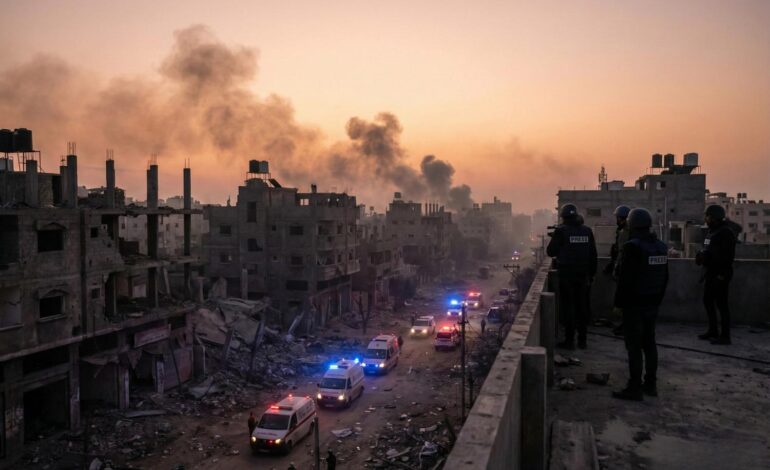

The fragile Israel Gaza ceasefire is once again under intense pressure after Israeli airstrikes reportedly killed at least 24 people across the Gaza Strip, according to hospital officials. What was meant to be a temporary pause in hostilities now appears increasingly unstable, raising fears of a renewed and broader conflict in the region.
Hospitals overwhelmed with casualties, displaced civilians seeking shelter, and renewed diplomatic tensions have all contributed to a rapidly deteriorating situation. As both sides trade accusations of ceasefire violations, international observers warn that the truce could collapse entirely if urgent diplomatic efforts fail.
Background: How the Israel-Gaza Conflict Reached This Point
The long-running conflict between Israel and Gaza-based factions has seen repeated cycles of escalation and ceasefire over the past decades. Each truce is often fragile, brokered under intense international pressure, and vulnerable to collapse due to isolated incidents or retaliatory strikes.
The current Israel Gaza ceasefire was announced following weeks of heavy fighting that caused significant civilian casualties and infrastructure damage in Gaza. Mediated by regional and global actors, the ceasefire aimed to allow humanitarian aid, reduce violence, and open the door for broader negotiations.
However, deep mistrust between both sides has made long-term peace elusive.
Israeli Strikes and Hospital Reports
According to Gaza health officials, Israeli airstrikes targeted multiple locations, including residential areas, resulting in the deaths of at least 24 people. Hospitals reported an influx of wounded civilians, including women and children, placing further strain on already limited medical resources.
Medical staff described scenes of chaos, with emergency rooms operating beyond capacity. Power shortages, limited medical supplies, and damaged infrastructure have compounded the crisis, making treatment increasingly difficult.
Israeli authorities stated that the strikes were in response to alleged violations of the ceasefire, including rocket fire from Gaza. These claims were disputed by Palestinian sources, who denied responsibility or blamed splinter groups acting independently.
Civilian Impact: Life Under Constant Fear
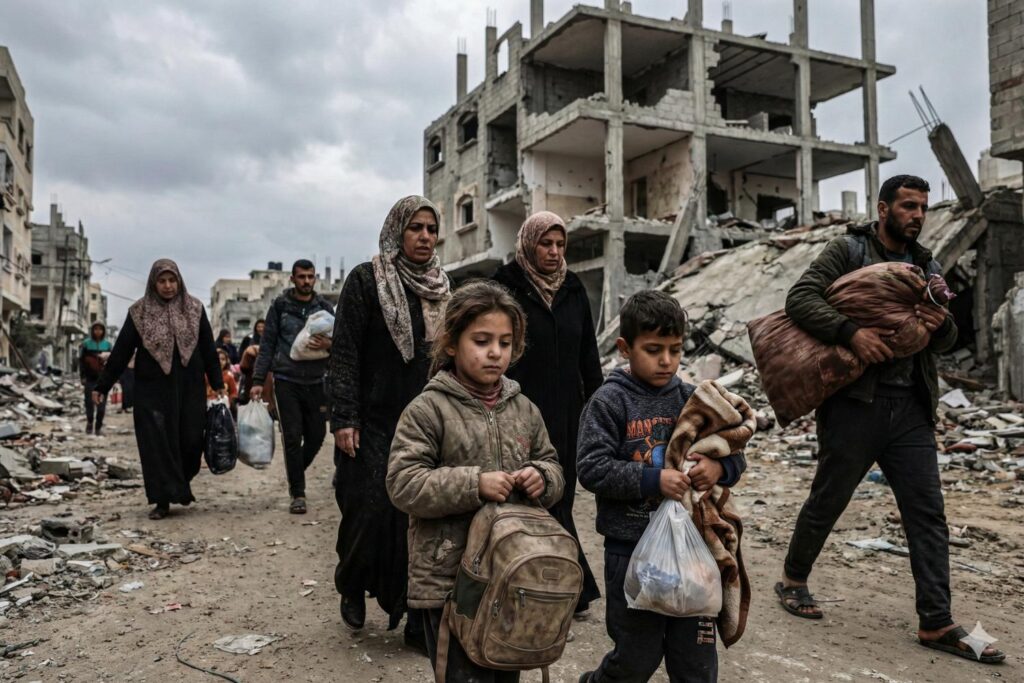
For civilians in Gaza, the renewed violence has deepened a humanitarian crisis that has lasted for years. Families who had cautiously returned to their homes during the ceasefire are once again fleeing, seeking safety in overcrowded shelters.
Children remain among the most vulnerable. Psychological trauma, lack of education, and limited access to healthcare have left long-lasting scars on an entire generation. The uncertainty surrounding the Israel Gaza ceasefire has only intensified their suffering.
Residents describe living under constant fear, unsure whether the next explosion will strike nearby.
Hospitals on the Frontline
Hospitals in Gaza have effectively become frontline zones. Medical workers face impossible choices as they triage patients with limited resources. Many facilities are operating on backup generators, while shortages of medicine and equipment continue to worsen.
Doctors have appealed for international medical assistance, warning that the healthcare system could collapse entirely if violence continues. The latest casualties linked to the breakdown of the Israel Gaza ceasefire highlight how quickly a pause in fighting can turn into a medical emergency.
Political Reactions Inside Israel
Inside Israel, political leaders defended the military response, arguing that security threats could not be ignored even during a ceasefire. Government officials emphasized that any truce depends on the absence of attacks from Gaza.
Opposition figures, however, warned that continued strikes risk dragging Israel into a prolonged conflict with no clear exit strategy. Public debate has intensified, with citizens divided over the effectiveness of military action versus diplomatic solutions.
Palestinian Response and Internal Challenges
Palestinian factions accused Israel of deliberately undermining the ceasefire and escalating violence. They argued that continued airstrikes leave little room for restraint and risk provoking wider confrontation.
At the same time, internal challenges persist within Gaza, including limited control over smaller armed groups. These dynamics complicate efforts to maintain the Israel Gaza ceasefire, as even isolated incidents can trigger large-scale retaliation.
International Community Raises Alarm
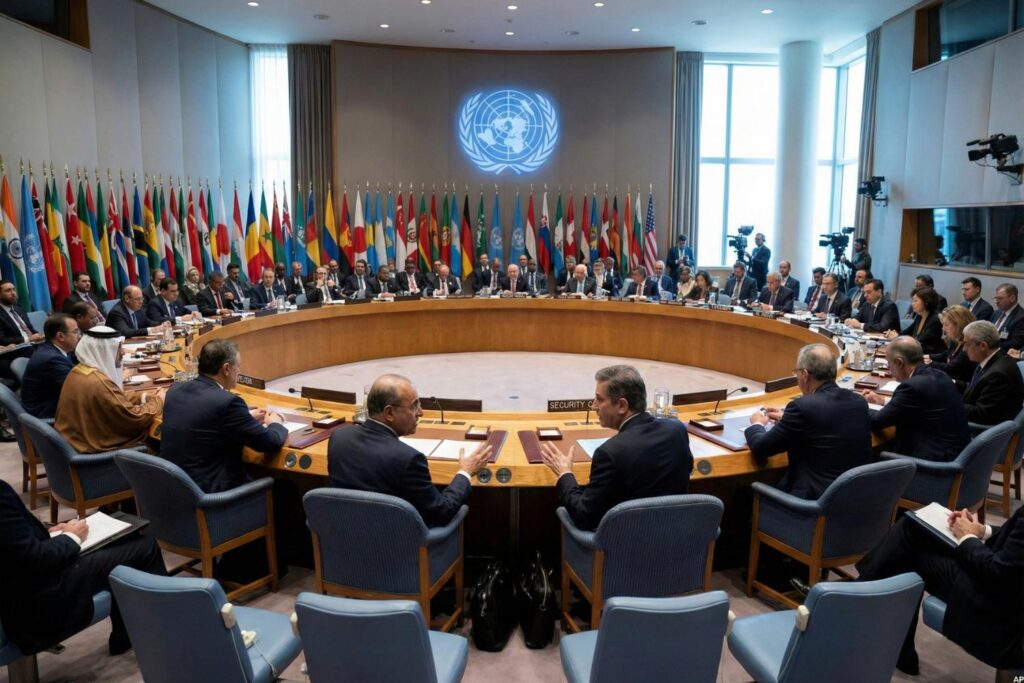
The international response has been swift, with global leaders urging both sides to exercise restraint. Calls for an immediate recommitment to the Israel Gaza ceasefire have come from humanitarian organizations, regional powers, and global institutions.
Aid agencies warned that renewed fighting could halt humanitarian deliveries and worsen food insecurity, water shortages, and displacement in Gaza. Diplomatic channels remain active, but progress appears fragile.
Humanitarian Crisis Deepens
Beyond the immediate casualties, the breakdown of the ceasefire threatens to deepen Gaza’s humanitarian crisis. Infrastructure damage has disrupted water supply, electricity, and sanitation services.
Relief workers caution that without sustained calm, rebuilding efforts will stall, leaving millions trapped in a cycle of destruction and recovery that never fully materializes.
The Fragility of Ceasefire Agreements
History shows that ceasefires in the Israel-Gaza conflict are often temporary. Without addressing underlying political, security, and humanitarian issues, truces remain vulnerable to collapse.
The current Israel Gaza ceasefire reflects this reality, serving as a pause rather than a resolution. Analysts warn that unless broader negotiations resume, violence is likely to return.
What Happens Next?
The coming days will be critical. Diplomatic efforts may yet salvage the ceasefire, but continued violence could push the region back into full-scale conflict.
Observers stress that meaningful progress requires accountability, dialogue, and sustained international engagement. For civilians on both sides, the hope remains that the Israel Gaza ceasefire can be restored and transformed into something more lasting.
Conclusion: A Region Holding Its Breath
As reports of deaths and destruction continue to emerge, the Israel Gaza ceasefire stands at a crossroads. Whether it collapses or survives will depend on decisions made in the immediate future.
For now, Gaza’s hospitals, civilians, and aid workers remain on edge, waiting to see if diplomacy can once again halt the violence—or if the fragile calm will be lost to another devastating cycle of war.