Switching 2nd Gear: A Simple Guide for Smooth Driving Transitions
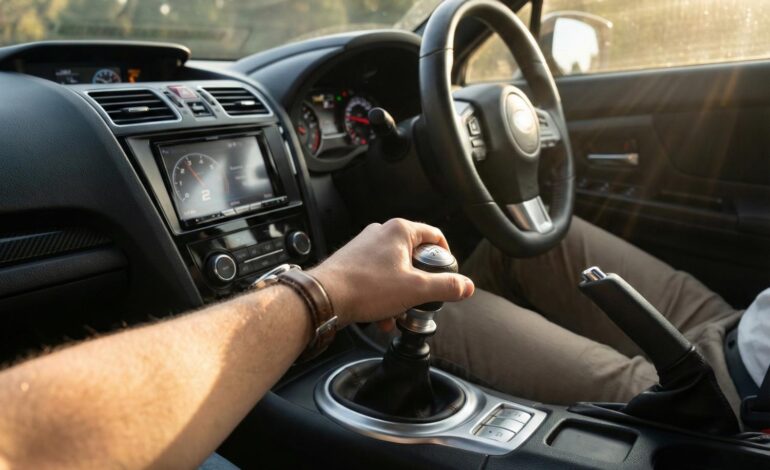

Learning switching 2nd gear smoothly is one of the most important skills for new drivers and a common issue even for experienced ones. Whether you drive a manual car daily or are just starting your driving journey, mastering the transition from first to second gear can dramatically improve your driving comfort, control, and vehicle health.
In this complete guide by Zevaan, we will break down everything you need to know about switching 2nd, including timing, common mistakes, road conditions, and expert tips for smooth gear transitions.
1. What Does Switching 2nd Gear Mean?
Switching 2nd gear refers to shifting your car from first gear to second gear in a manual transmission vehicle. This transition usually happens once the car has started moving and gained a little speed.
The goal of switching 2nd is to:
- Reduce engine strain
- Improve fuel efficiency
- Achieve smoother acceleration
2. Why Switching 2nd Smoothly Matters
Many drivers underestimate how important smooth switching 2nd is. Poor gear transitions can cause:
- Jerky car movement
- Engine wear
- Poor fuel economy
- Uncomfortable driving experience
A smooth shift ensures:
✔ Better control
✔ Longer clutch life
✔ Comfortable driving
Especially in traffic, mastering switching 2nd makes driving stress-free.
3. When Should You Switch to 2nd Gear?
Timing is critical when switching 2nd. Most cars require shifting to second gear at:
- 10–20 km/h (6–12 mph)
- 2,000–2,500 RPM
However, this can vary depending on:
- Engine size
- Road conditions
- Load in the car
💡 Tip: Listen to your engine. If it sounds strained, it’s time for switching 2nd.
4. Step-by-Step Guide to Switching 2nd Gear
Here’s a beginner-friendly method for switching 2nd smoothly:
Step 1: Accelerate in 1st Gear
Gently press the accelerator until you reach the right speed.
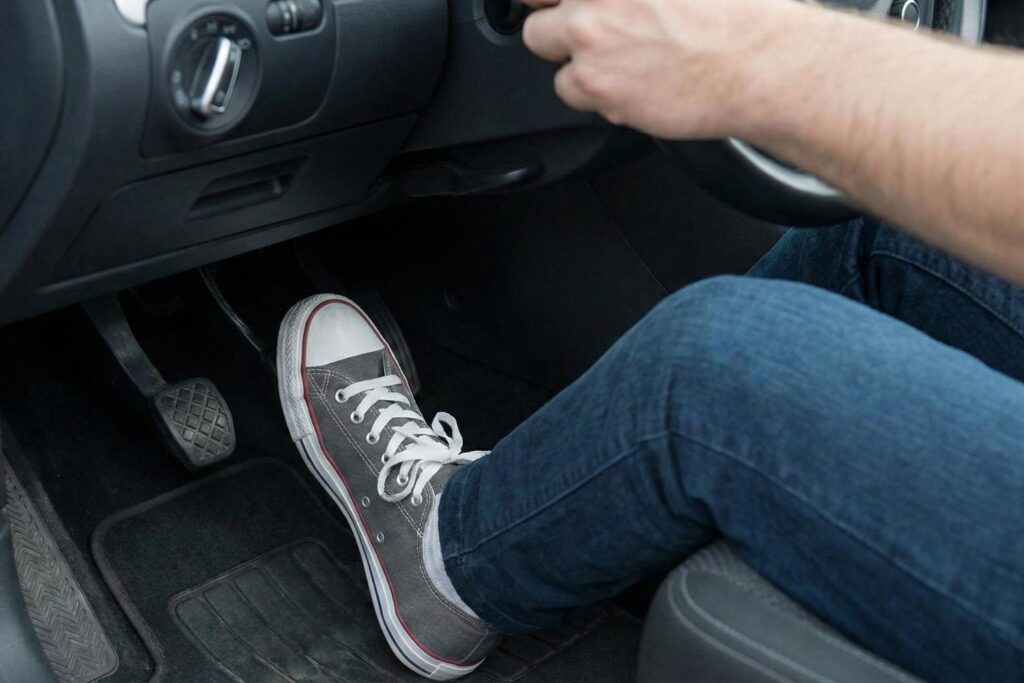
Step 2: Press the Clutch Fully
Always press the clutch fully to avoid grinding.
Step 3: Move Gear Lever to 2nd
Shift smoothly without force.
Step 4: Release Clutch Slowly
This is the most important step. Release gradually.
Step 5: Apply Gentle Throttle
Maintain smooth acceleration.
5. Common Mistakes While Switching 2nd
Even experienced drivers make mistakes during switching 2nd. Avoid these:
❌ Releasing clutch too fast
❌ Shifting too early
❌ Over-revving the engine
❌ Riding the clutch
These mistakes can cause:
- Car jerks
- Engine noise
- Clutch damage
6. Switching 2nd Gear in City Driving
City traffic demands frequent switching 2nd due to:
- Traffic lights
- Speed breakers
- Congestion
Best practices:
✔ Keep RPM low
✔ Use gentle throttle
✔ Anticipate stops
Smooth switching 2nd helps reduce fatigue during long city drives.
7. Switching 2nd Gear on Slopes and Hills
Hill starts can be tricky. When switching 2nd on slopes:
- Hold the clutch slightly longer
- Maintain steady throttle
- Avoid rolling backward
Using proper clutch control during switching 2nd prevents stalling.

8. Manual vs Automatic: Is Switching 2nd Different?
In manual cars, you control switching 2nd directly.
In automatic cars, the system shifts automatically.
However, understanding switching 2nd helps:
- Better manual control
- Smarter driving habits
- Improved mechanical sympathy
9. Tips to Master Switching 2nd Like a Pro
✔ Practice in empty roads
✔ Listen to engine sound
✔ Avoid rushing the shift
✔ Keep foot movements smooth
✔ Stay relaxed
Consistency is the secret to mastering switching 2nd.
10. FAQs About Switching 2nd Gear
Q1: Can switching 2nd too early damage the car?
Yes, it can strain the engine.
Q2: Is jerking normal while learning?
Yes, but practice improves smoothness.
Q3: Should I use 2nd gear in traffic?
Absolutely. It’s ideal for low-speed movement.
11. Final Thoughts
Mastering switching 2nd gear is a foundational driving skill that improves comfort, safety, and vehicle longevity. With patience, practice, and the right technique, smooth gear transitions become second nature.
At Zevaan, we believe confident driving starts with strong fundamentals—and switching 2nd is one of them.