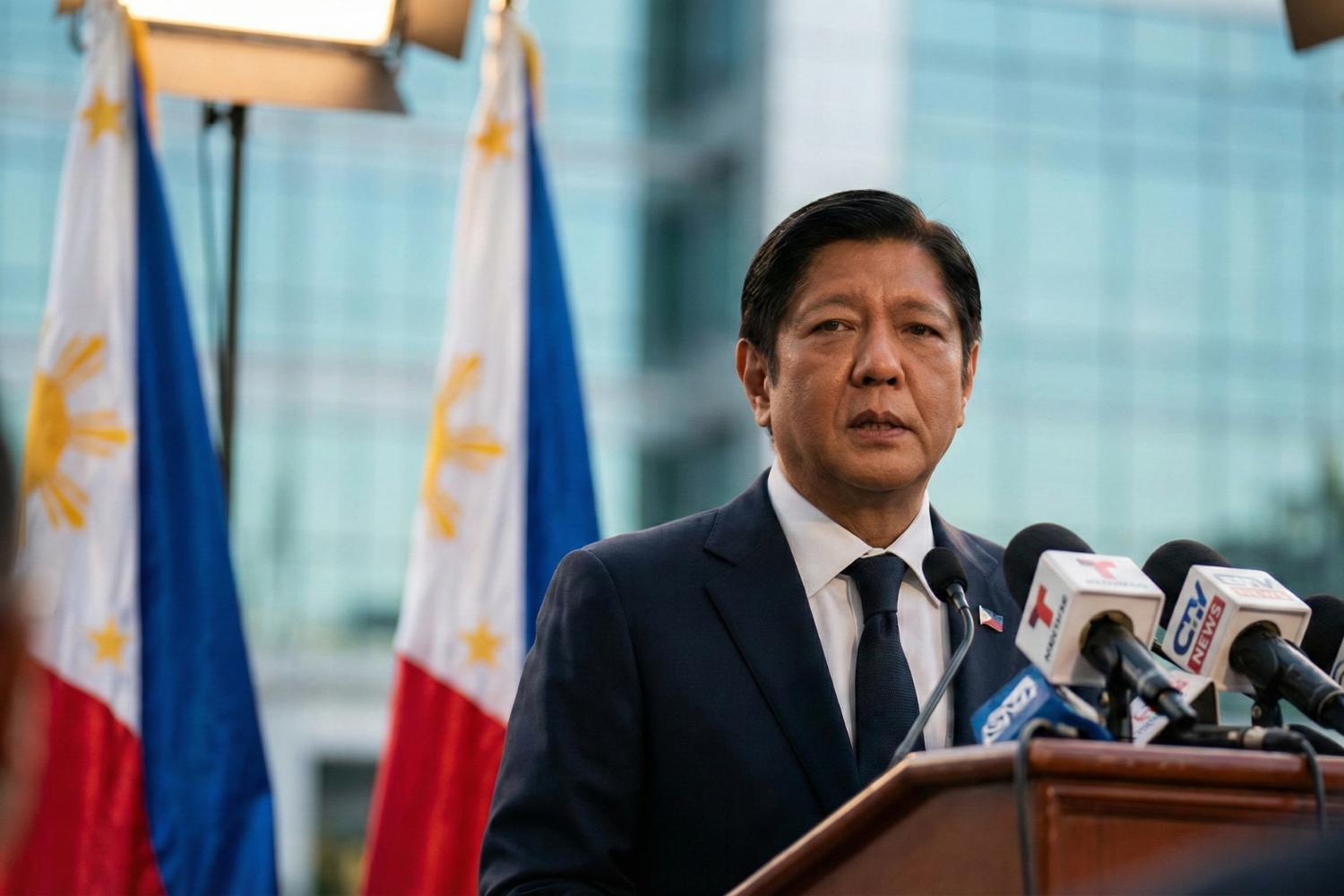
Court Blocks Trump Sending California National Guard to Oregon Amid Portland Tensions
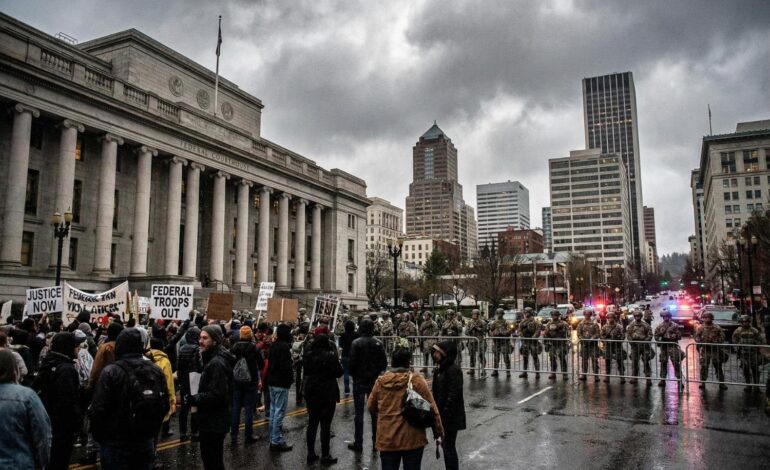

A federal court has blocked a controversial move involving Trump Sending California National Guard Oregon, a decision that has intensified national debate over federal authority, states’ rights, and the limits of executive power. The ruling comes amid ongoing tensions in Portland, a city that has repeatedly found itself at the center of political clashes, civil unrest, and constitutional questions.
The case underscores how domestic troop deployments—especially across state lines—remain one of the most sensitive issues in American governance. While the Trump administration argued the move was necessary to restore law and order, critics warned it set a dangerous precedent that undermines state sovereignty and democratic norms.
This article explores the background of the court decision, the legal arguments on both sides, the historical context of National Guard deployments, and what this ruling means for Oregon, California, and the broader United States.
Background: Rising Tensions in Portland
Portland has long been a flashpoint for political activism. In recent years, demonstrations ranging from racial justice protests to clashes between ideological groups have drawn national attention. These events often escalated into confrontations with law enforcement, property damage, and mass arrests.
Federal officials argued that local and state authorities were unable—or unwilling—to fully control the situation. Supporters of federal intervention claimed that unrest in Portland threatened public safety and federal property, justifying extraordinary measures.
However, Oregon state officials strongly disagreed, insisting that the situation was manageable without outside military involvement. This disagreement laid the groundwork for the legal showdown that followed.
Trump Administration’s Proposal Explained
The proposal involving Trump sending California National Guard to Oregon was framed as a response to escalating unrest. The administration argued that the federal government possesses broad authority to deploy forces when local disturbances threaten national interests.
Key points from the administration included:
- Protection of federal buildings and personnel
- Restoration of public order
- Deterrence of further violence and vandalism
By seeking troops from California rather than Oregon’s own National Guard, the plan immediately raised constitutional red flags. Governors traditionally maintain control over their state National Guard unless federalized under specific legal conditions.
Oregon’s Legal Challenge
Oregon officials filed an emergency legal challenge, arguing that the proposed deployment violated constitutional boundaries. Their main arguments focused on:
- State sovereignty: The federal government cannot override a governor’s authority without clear legal justification.
- Lack of consent: Neither Oregon nor California agreed to the interstate deployment.
- Insufficient emergency: The situation did not meet the threshold required for federal military intervention.
The lawsuit emphasized that allowing such a move would erode the balance of power between states and Washington, D.C.
The Federal Court’s Ruling
The federal judge sided with Oregon, issuing an order blocking the deployment. In the ruling, the court stated that the Trump administration failed to demonstrate sufficient legal grounds to justify sending National Guard troops from one state into another without consent.
Key points from the ruling included:
- The National Guard is primarily a state-controlled force
- Federal authority is not unlimited, even during unrest
- Interstate deployment without consent raises serious constitutional concerns
The judge stressed that emergency powers must be exercised carefully to avoid abuse.
Constitutional and Legal Implications

The case reignited debate over the Insurrection Act, a rarely used law that allows presidents to deploy military forces domestically under extreme circumstances. Critics argue the administration stretched the interpretation of this law beyond its intended scope.
Legal scholars note that the ruling reinforces long-standing principles:
- Governors retain primary control over their National Guard
- Federal intervention must meet strict criteria
- Courts serve as a check on executive overreach
The decision may limit future attempts by any administration to unilaterally deploy forces across state lines.
California’s Role and Response
California officials also objected to the proposal, stating that their National Guard exists to protect Californians and respond to emergencies within the state. With wildfires, earthquakes, and other natural disasters being frequent concerns, leaders argued that sending troops elsewhere could jeopardize local readiness.
The dispute highlighted the cooperative—but conditional—nature of National Guard operations between states and the federal government.
Political Reactions Nationwide
Reactions to the ruling fell largely along partisan lines:
- Supporters of Trump criticized the court for weakening federal authority and emboldening unrest.
- Opponents praised the decision as a defense of constitutional checks and balances.
Civil rights groups welcomed the ruling, arguing that military deployments often escalate tensions rather than resolve them.
Impact on Portland and Local Communities
For Portland residents, the ruling brought a sense of relief. Local leaders reiterated their commitment to addressing unrest through community engagement, policing reforms, and lawful protest management.
However, tensions remain. Activists argue that federal threats alone can inflame situations, even if deployments are blocked. The city continues to grapple with deeper issues surrounding policing, political division, and public trust.
Trump Sending California National Guard Oregon
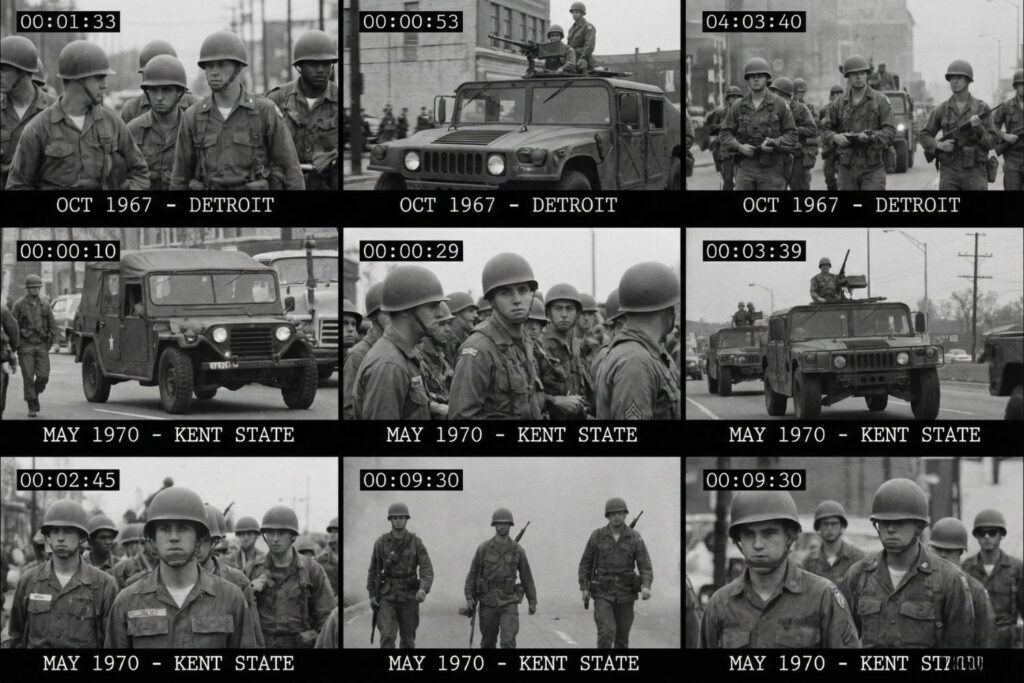
Historically, National Guard deployments during domestic unrest have occurred with state cooperation or under clear federal mandates. From the civil rights era to natural disasters, these interventions were typically defined by:
- Clear emergencies
- Temporary missions
- Explicit legal authority
The controversy surrounding Trump sending California National Guard to Oregon stands out because of its interstate nature and lack of gubernatorial consent.
What This Means for Future Administrations
The ruling sets an important precedent. Future presidents may face greater judicial scrutiny when invoking emergency powers related to domestic unrest.
Experts believe this case will be cited in future legal challenges involving:
- Federal use of military force domestically
- State resistance to federal intervention
- Interpretation of emergency powers
Ultimately, it reinforces the judiciary’s role as a safeguard against overreach.
Conclusion
The court decision blocking Trump sending California National Guard to Oregon represents more than a single legal victory—it underscores the enduring tension between federal authority and state sovereignty in the United States.
As Portland continues to navigate its challenges, the ruling sends a clear message: even during times of unrest, constitutional limits remain in force. The balance of power, carefully designed by the nation’s founders, still shapes how America responds to internal conflict.
For now, the National Guard remains under state control, and the precedent set by this case will likely influence debates over federal power for years to come.