Ohio Father Rodney Hinton Pleads Insanity After Fatal Car Attack on Special Deputy Sheriff
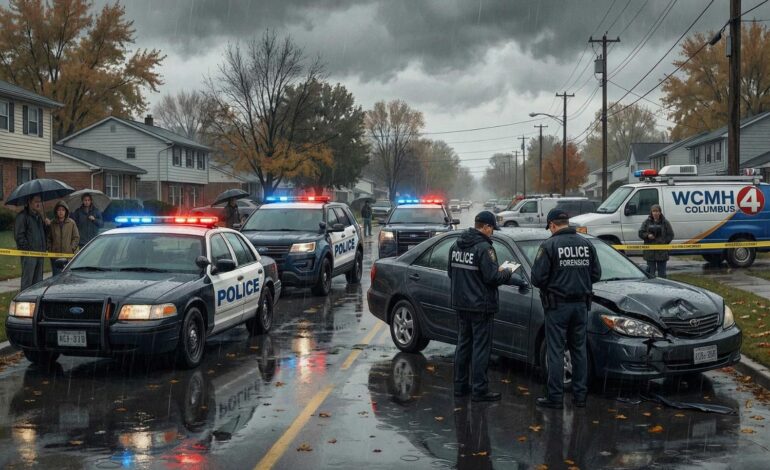

The tragic case involving rodney hinton, an Ohio father accused of deliberately killing a special deputy sheriff with his vehicle, has shocked communities across the state and reignited national debate over mental health, criminal responsibility, and law enforcement safety. The incident, which authorities describe as a targeted vehicular attack, ended the life of a respected officer and left a family and community grieving.
As legal proceedings unfold, Rodney Hinton’s decision to plead insanity has added another layer of complexity to an already emotional case. The plea raises critical questions: Was this a premeditated act of violence, or the result of severe mental illness? And how does the justice system balance accountability with compassion when mental health is involved?
This article explores the full background of the case, the legal implications of the insanity defense, community reactions, and what may lie ahead for Rodney Hinton.
Who Is Rodney Hinton?
Rodney Hinton is an Ohio resident and father whose life took a dramatic turn following the deadly incident that led to his arrest. Prior to the attack, little was publicly known about Hinton outside his immediate community. Described by acquaintances as a private individual, he reportedly struggled with personal and mental health challenges, although the extent of these struggles is now being closely examined by legal experts and medical professionals.
According to defense statements, Rodney Hinton has a history of psychological instability that may have gone untreated or inadequately addressed. These claims form the foundation of his insanity plea, which argues that he was not mentally capable of understanding the consequences or wrongfulness of his actions at the time of the incident.
Prosecutors, however, paint a different picture, asserting that Hinton’s actions were deliberate and calculated, not the result of temporary mental incapacity.
The Fatal Car Attack: What Happened?
On the day of the incident, authorities say Rodney Hinton used his vehicle as a weapon, striking a special deputy sheriff who was performing official duties. The impact proved fatal, despite immediate emergency response efforts.
Witnesses reported seeing the vehicle accelerate toward the deputy, leaving little doubt in investigators’ minds that the act was intentional. Surveillance footage and forensic evidence allegedly support this account, showing no signs of braking before impact.
Vehicular attacks on law enforcement officers are rare but deeply alarming, as they turn everyday objects into deadly weapons. This incident has drawn particular attention because of its brazen nature and devastating outcome.
Who Was the Special Deputy Sheriff?
The victim in this case was a special deputy sheriff known for dedication and service to the community. Special deputies often assist full-time officers, providing critical support in law enforcement operations, court security, and public safety initiatives.
Colleagues described the fallen deputy as committed, professional, and deeply respected. The loss has left a significant void within the department and the broader community, prompting tributes, memorial services, and calls for justice.
Law enforcement officials emphasized that the deputy was performing lawful duties at the time of the attack, underscoring the seriousness of the crime.
Legal Charges Against Rodney Hinton
Rodney Hinton faces serious criminal charges, including aggravated murder and felony assault. Prosecutors argue that the use of a vehicle as a deadly weapon elevates the severity of the offense.
The state contends that Hinton’s actions meet the legal definition of intentional homicide, citing evidence such as eyewitness accounts, vehicle data, and video footage. If convicted, Hinton could face life imprisonment.
The defense, however, has taken a dramatically different approach by entering a plea of not guilty by reason of insanity.
Understanding the Insanity Plea
An insanity plea does not mean that a defendant denies committing the act. Instead, it argues that the defendant lacked the mental capacity to understand the nature or wrongfulness of the act at the time it occurred.
In Ohio, the burden of proof lies with the defense. Rodney Hinton’s legal team must demonstrate that he suffered from a severe mental disease or defect that rendered him incapable of rational judgment.
This often involves extensive psychiatric evaluations, expert testimony, and a detailed review of the defendant’s mental health history.
Mental Health Evaluations and Expert Testimony
Mental health professionals play a critical role in insanity cases. For Rodney Hinton, court-ordered psychiatric evaluations will assess whether he meets the legal criteria for insanity.
Experts will examine factors such as:
- History of mental illness
- Previous hospitalizations or diagnoses
- Medication compliance
- Behavior before, during, and after the incident
Prosecutors may counter with their own experts, arguing that Hinton was aware of his actions and capable of controlling his behavior.
Prosecution’s Perspective
From the prosecution’s standpoint, the facts point to intentional violence. They argue that Rodney Hinton’s actions demonstrate planning, awareness, and purpose, which are inconsistent with legal insanity.
Prosecutors emphasize that allowing an insanity defense in such cases could set a dangerous precedent, particularly when law enforcement officers are targeted.
Their goal is to secure a conviction that reflects both accountability and justice for the fallen deputy.
Defense Strategy and Arguments
The defense argues that Rodney Hinton was experiencing a severe psychological break at the time of the incident. They may present evidence of delusions, paranoia, or other symptoms that impaired his ability to distinguish right from wrong.
Defense attorneys stress that mental illness is not a choice and that punishment alone does not address the underlying issues that led to the tragedy.
Community Reaction and Public Debate
The case has deeply affected the local community. Vigils have been held to honor the deputy’s memory, while residents express anger, sadness, and confusion over the events.
Public opinion is divided. Some believe the insanity plea is a legitimate legal defense that must be fairly considered. Others view it as an attempt to avoid responsibility for an unforgivable act.
The debate highlights broader societal struggles around mental health care and criminal justice.
Impact on Law Enforcement Safety

This case has renewed concerns about officer safety, particularly regarding vehicular assaults. Law enforcement agencies across Ohio are reviewing training protocols and safety measures to reduce risk.
The death of the special deputy sheriff serves as a sobering reminder of the dangers officers face daily.
Possible Legal Outcomes
If Rodney Hinton is found legally insane, he may be committed to a secure mental health facility rather than prison. This confinement can last as long as the maximum sentence for the charged crime.
If the insanity plea fails, Hinton could face life imprisonment. The outcome will depend on expert testimony, jury interpretation, and judicial rulings.
Broader Implications for the Justice System
Cases like this force society to confront difficult questions about blame, responsibility, and compassion. How should the system respond when mental illness intersects with violent crime?
The Rodney Hinton case may influence future legal approaches to insanity defenses and mental health evaluations.
Conclusion
The case of rodney hinton is more than a criminal trial—it is a tragedy that underscores the fragile intersection of mental health, justice, and public safety. As the legal process continues, the focus remains on honoring the life of the fallen special deputy sheriff while ensuring a fair and lawful outcome.
Regardless of the verdict, the case serves as a powerful reminder of the urgent need for improved mental health care, stronger community support systems, and continued dialogue about accountability and compassion in the justice system.