Trump Warned the Supreme Court Regarding a Ruling on Tariffs, Says U.S. Is ‘Doomed’ If Decision Goes Against Him
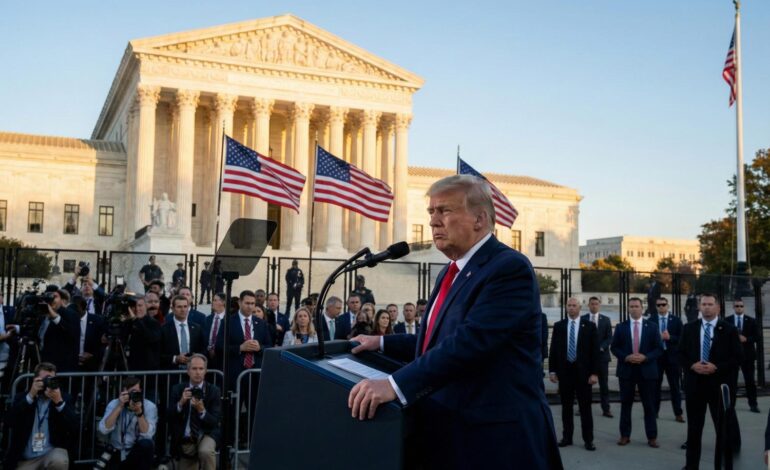

Former President Donald Trump has once again placed himself at the center of a heated national debate—this time by issuing a stark warning to the U.S. Trump Warned The Supreme Court Regarding A Ruling On Tariffs. Trump claimed that the United States would be “doomed” if the decision goes against him, a statement that has ignited controversy across political, legal, and economic circles.
At the heart of the dispute is executive authority, trade policy, and the broader implications of judicial intervention in tariff decisions. As the country watches closely, Trump’s comments have raised serious questions about the balance of power, economic nationalism, and the future of U.S. trade policy.
This article explores the full context of Trump’s warning, the legal battle surrounding tariffs, and what a Supreme Court ruling could mean for the American economy and global markets.
Trump’s Warning to the Supreme Court: What He Said and Why It Matters
Trump warned the Supreme Court regarding a ruling on tariffs during a public address and subsequent statements, asserting that an unfavorable decision would cripple America’s ability to protect itself economically. According to Trump, tariffs are not merely economic tools but instruments of national security.
He framed the issue as a defining moment for the country, suggesting that judicial limits on tariff authority could weaken the presidency and leave the U.S. vulnerable to foreign economic pressure.
Political analysts note that Trump’s language—particularly the use of the word “doomed”—reflects his broader strategy of portraying legal challenges as existential threats to the nation.
Understanding the Tariff Dispute Before the Supreme Court
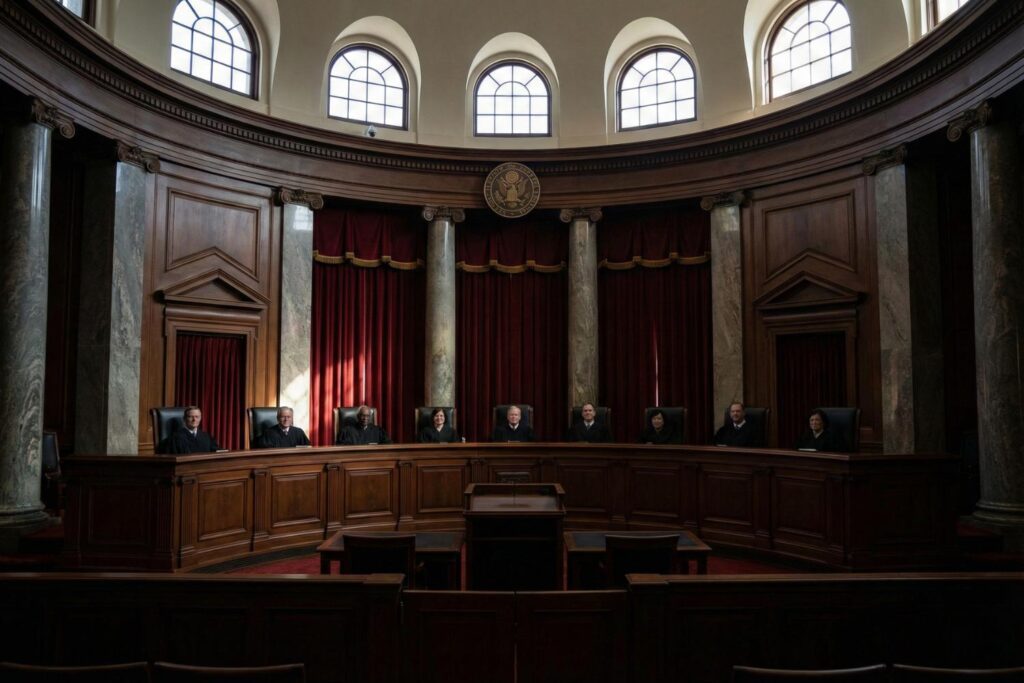
The case before the Supreme Court revolves around whether a president has the authority to impose or maintain certain tariffs without explicit congressional approval. Critics argue that unchecked tariff powers violate constitutional limits, while supporters insist that flexibility is essential in responding to unfair trade practices.
Trump’s administration previously relied on national security provisions to justify sweeping tariffs, particularly on imports from China. These measures reshaped global trade relations and became a cornerstone of Trump’s “America First” economic policy.
Now, the Supreme Court must determine how far executive power extends in regulating trade—an issue with lasting consequences.
Why Trump Believes the U.S. Economy Is at Risk
Trump has repeatedly argued that tariffs protect American workers, manufacturers, and industries from being undercut by cheaper foreign imports. From his perspective, limiting tariff authority would expose U.S. businesses to unfair competition.
He claims that previous administrations allowed trade imbalances to grow unchecked, resulting in factory closures and job losses. Tariffs, he says, are leverage—forcing other nations to negotiate fairer trade deals.
Supporters echo this view, arguing that removing or weakening tariffs could reopen the door to economic exploitation by foreign powers.
Critics Push Back: Concerns Over Executive Overreach
Opponents of Trump’s position argue that his warning to the Supreme Court crosses a dangerous line. Legal experts caution that framing judicial decisions as threats to national survival undermines the independence of the judiciary.
Critics also contend that tariffs often lead to higher consumer prices, strained international relations, and retaliatory trade measures. They argue that Congress—not the president—should have the final say on trade policy.
This clash highlights a deeper constitutional debate: how to balance swift executive action with democratic oversight.
The Political Strategy Behind Trump’s Supreme Court Warning
Many analysts believe Trump’s comments are as much political as they are legal. By warning that the U.S. is “doomed” without favorable judicial outcomes, Trump reinforces his image as a defender of national strength against institutional resistance.
This messaging resonates strongly with his political base, which often views courts, federal agencies, and global institutions with skepticism. The controversy also keeps Trump at the center of national discourse—an advantage in any political landscape.
Whether intentional or not, the warning has turned a complex legal issue into a broader political rallying cry.
How a Supreme Court Ruling Could Reshape Trade Policy
A ruling against Trump’s position could set a precedent limiting future presidents’ ability to impose tariffs unilaterally. This would likely shift more trade authority back to Congress, fundamentally changing how the U.S. responds to global economic challenges.
On the other hand, a ruling in favor of broad executive power could strengthen the presidency and make tariffs a more permanent feature of U.S. trade policy.
Either outcome will influence not only domestic economics but also America’s standing in international trade negotiations.
Global Reactions and Market Implications
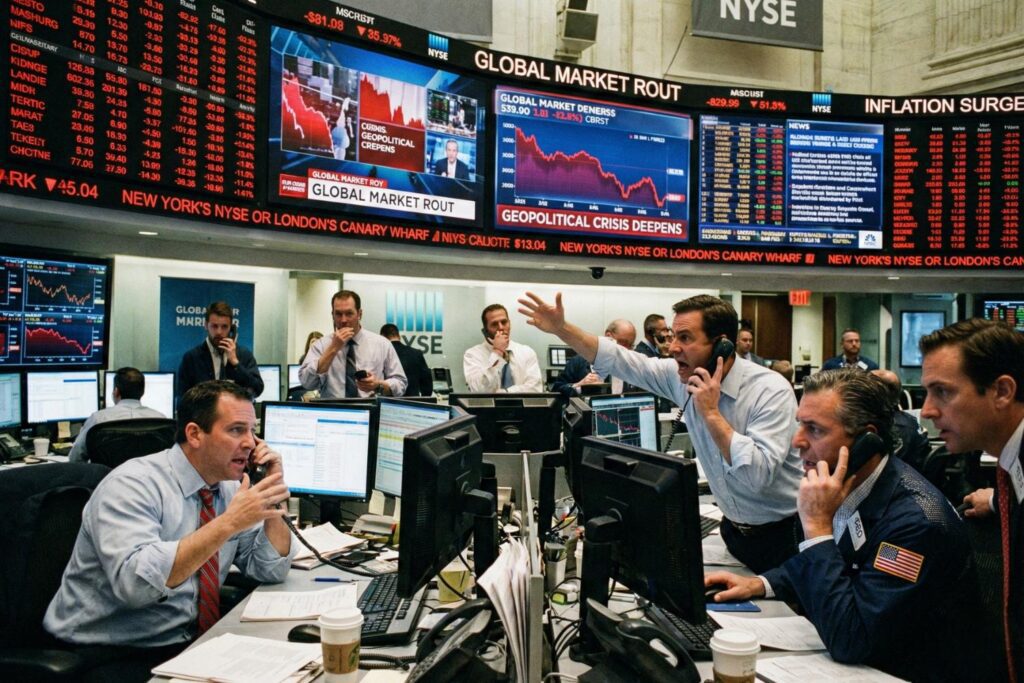
International markets are closely monitoring the case, as tariffs affect supply chains, pricing, and diplomatic relations. Foreign governments worry that expanded U.S. tariff authority could lead to unpredictable trade barriers.
Conversely, some nations see clarity—either way—as beneficial, allowing businesses to plan with greater certainty.
Market volatility is expected as investors weigh potential outcomes and their long-term implications.
Historical Context: Tariffs and Presidential Power
Tariffs have long been a contentious issue in American politics. From early protectionist policies to modern free-trade agreements, the debate has evolved but never disappeared.
Trump’s approach marked a significant shift toward aggressive tariff use, challenging decades of trade liberalization. The Supreme Court’s ruling may now determine whether this approach becomes a lasting legacy or a historical anomaly.
What Happens Next?
As the Supreme Court prepares to issue its ruling, both supporters and critics await a decision that could redefine the limits of executive power. Trump’s warning has amplified the stakes, ensuring that the outcome will be scrutinized far beyond legal circles.
Regardless of the verdict, the case underscores the deep divisions in American politics over trade, governance, and national identity.
Final Thoughts
Trump warned the Supreme Court regarding a ruling on tariffs in language that reflects both his governing philosophy and his political instincts. Whether viewed as a defense of economic sovereignty or an attack on judicial independence, the statement has intensified an already critical debate.
The Supreme Court’s decision will not only resolve a legal question—it will shape the future of U.S. trade policy and the balance of power for years to come.