What Is Citizen Journalism and How Is It Changing Global News Reporting?
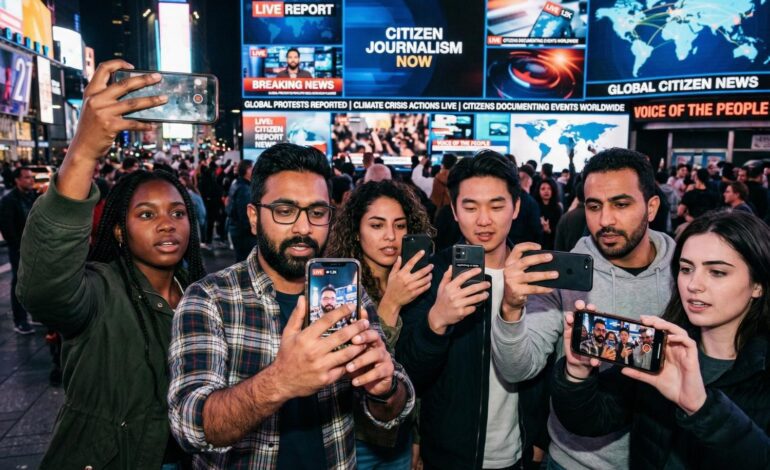

In an era where information travels faster than ever, the landscape of news reporting is undergoing a profound transformation. At the heart of this change lies a powerful movement — one that has empowered ordinary people to become storytellers, witnesses, and influencers in the global news cycle. This movement is known as what is citizen journalism — the democratization of news reporting through everyday individuals.
But what exactly does this term mean? How is citizen journalism reshaping the media world? And what implications does it hold for the future of news reporting? In this article, we’ll take a deep and thoughtful look at this phenomenon, explaining its origins, its significance, its challenges, and the ways it continues to redefine journalism around the world.
📌 Introduction: A New Era of News
For as long as humans have communicated, we have shared stories — both personal and public. But for most of history, the power to broadcast news belonged to a limited few: newspapers, radio stations, and television networks. These traditional media outlets operated from central hubs of authority and influence.
Fast forward to the 21st century, and that landscape has shifted dramatically. With the rise of the internet, smartphones, and social media platforms, ordinary citizens now have the tools to capture, publish, and disseminate news instantly from virtually anywhere on the planet.
This shift begs the question: What is citizen journalism? Simply put, it refers to the practice of regular people — not professional journalists — reporting on news events and sharing information with a broader audience. This can take place through social media posts, blogs, videos, photos, and other digital channels.
📌 What Is Citizen Journalism? A Closer Look
At its core, what is citizen journalism represents a form of grassroots reporting. Instead of relying solely on journalists employed by major media companies, citizen journalism opens the door for anyone with a smartphone and internet access to contribute to the news ecosystem.
Some common examples of citizen journalism include:
- A bystander livestreaming a protest on social media
- A local resident uploading photos of a natural disaster
- A commuter capturing and sharing footage of a traffic accident
- A community blogger reporting on events that traditional media overlooks
These contributions can provide raw, firsthand accounts of events as they unfold — sometimes minutes or even hours before professional journalists arrive on the scene.
📌 The Origins and Evolution of Citizen Journalism
The concept of citizen journalism didn’t emerge overnight. While everyday people have always shared stories within their communities, the formal idea began taking shape with the advent of blogging and user‑generated content in the late 1990s and early 2000s.
However, the real tipping point came with the proliferation of smartphones equipped with cameras and the rise of social platforms like Facebook, Twitter, and YouTube. Suddenly, the barriers to entry for news reporting — such as expensive equipment and newsroom access — disappeared.
Events like the Arab Spring (2010–2012) highlighted the power of citizen reporters who broadcasted real‑time updates from the ground, often in places where traditional media were restricted or absent. These moments marked a turning point: everyday voices could influence global narratives.
📌 How Citizen Journalism Works Today
Citizen journalism thrives in the digital world through a variety of platforms:
🔹 Social Media
Platforms like Facebook, Twitter, TikTok, and Instagram are among the most popular spaces for citizen reporting. Users can livestream, post photos, and share updates in real time.
🔹 Blogs and Personal Websites
Some citizen journalists maintain blogs where they publish detailed reports, commentary, or investigative pieces on local issues.
🔹 Video Platforms
YouTube and other video networks allow users to publish longer, more in‑depth content, including documentaries, interviews, and analysis.
🔹 Community Reporting Tools
Apps and websites like Ushahidi, Reddit, and community forums allow people to collaborate in reporting and verifying news.
In each of these spaces, citizen journalists can contribute both breaking news and contextual analysis, often offering perspectives that traditional media may miss.
📌 Why Citizen Journalism Matters
The rise of citizen journalism is more than just a technological trend — it represents a shift in how we understand information, authority, and truth. Here are some key reasons why it matters:
1. Faster Reporting
Citizen journalists are often the first to capture events as they unfold in real time. Whether it’s natural disasters, political protests, or unexpected incidents, their eyewitness accounts can reach global audiences before newsrooms can respond.
2. Increased Inclusivity
Traditional media outlets may focus on major metropolitan events, sometimes overlooking issues affecting marginalized communities. Citizen journalism amplifies voices that might otherwise remain unheard.
3. Diverse Perspectives
Every citizen journalist brings a unique point of view shaped by their personal experiences and cultural context. This diversity enriches the global news landscape and challenges single‑narrative reporting.
4. Community Empowerment
Local citizens documenting and sharing events in their communities can spark local awareness, promote accountability, and encourage civic participation.
📌 Citizen Journalism vs. Traditional Journalism
To understand the impact of citizen journalism, it’s helpful to compare it with traditional journalism:
| Aspect | Citizen Journalism | Traditional Journalism |
|---|---|---|
| Reporters | Everyday people | Trained journalists |
| Equipment | Smartphones, personal devices | Professional tools |
| Distribution | Social media, blogs | Newspapers, TV, radio |
| Gatekeeping | Minimal | Editorial oversight |
| Speed | Extremely fast | Slower, fact‑checked |
| Verification | Varies | Relies on standards |
Both forms have their strengths. Traditional journalism brings verification, editorial standards, and professional ethics, while citizen journalism offers immediacy, diversity, and on‑the‑ground presence.
📌 Real‑World Impact: Citizen Journalism in Action
To really understand how powerful citizen journalism can be, consider the many instances where ordinary citizens have shaped news coverage:
🔹 Crisis Reporting
During earthquakes, hurricanes, and other disasters, local residents often post videos and photos before any official broadcast arrives. These initial reports help authorities, aid organizations, and the public gauge the situation early on.
🔹 Political Movements
Citizen reporters played key roles during major political movements, such as pro‑democracy protests and public uprisings around the world. Their real‑time updates reached global audiences and influenced international perceptions.
🔹 Social Accountability
Everyday citizens equipped with a camera have exposed acts of corruption, police brutality, and social injustice. These contributions have sparked debates, led to investigations, and even prompted legal action.
These examples show that citizen journalism isn’t just supplemental — it has the power to shape how the world receives and interprets news.
📌 The Challenges of Citizen Journalism
Despite its many benefits, citizen journalism also comes with challenges — especially when it comes to accuracy and credibility.
📍 Verification Issues
Unlike traditional media, where editorial teams check facts and sources, citizen reports can sometimes spread misinformation or unverified claims. Incorrect videos and rumors are often shared widely before they can be corrected.
📍 Ethical Concerns
Professional journalism operates under ethical guidelines — such as respecting privacy and avoiding harm. Citizen journalists may not always be aware of these standards.
📍 Digital Manipulation
With tools that make it easy to edit photos and videos, digital manipulation can deceive audiences. It’s a growing concern in an age where deepfake technology is becoming more sophisticated.
📍 Information Overload
The vast amount of content generated by citizen journalists can make it difficult for audiences to distinguish what’s credible from what’s not.
These challenges highlight the need for digital literacy and responsible reporting — both by citizen journalists and news consumers.
📌 How Traditional Media Is Responding
Rather than ignoring this rising trend, many traditional media outlets have embraced citizen journalism:
🔹 Sourcing User‑Generated Content
Newsrooms often monitor social media for eyewitness videos and images that can enhance their reporting.
🔹 Collaborating with Citizen Contributors
Some outlets invite citizen journalists to submit content directly or contribute as freelancers.
🔹 Verification Tools
Media organizations have developed tools and teams dedicated to verifying content sourced from the public.
This cooperation between professional journalists and citizen contributors enriches the news cycle and makes it more responsive to real‑time events.
📌 The Role of Technology in Citizen Journalism
Technology is the backbone of citizen journalism. Here are key innovations that have fueled its growth:
📲 Smartphones
By putting video, audio, and internet access in everyone’s pocket, smartphones made it possible for ordinary citizens to document and broadcast news instantly.
🌐 Social Platforms
Platforms like Twitter, Instagram, and TikTok allow rapid sharing and global reach.
🔍 Verification Tools
Software solutions are emerging to help verify images, videos, and sources — helping combat misinformation.
📊 Data Journalism Tools
Open‑source tools enable citizen reporters to analyze data and present insightful findings.
These tools continue to evolve, making it easier for citizens to report, verify, and share news responsibly.
📌 The Future of Citizen Journalism
Where is citizen journalism headed? As technology advances, we can expect:
🔹 More Real‑Time Reporting
Live video, augmented reality (AR), and immersive storytelling tools will enhance how everyday events are reported.
🔹 Greater Collaboration
Citizen and professional journalists will work more closely to co‑create news content.
🔹 Improved Verification Systems
AI‑powered tools will help distinguish fact from fiction more accurately and quickly.
🔹 Enhanced Audience Role
Readers won’t just consume news — they’ll contribute, interact, and shape narratives more actively.
In the future, the line between citizen and professional journalism may blur, leading to a more participatory and transparent global news environment.
📌 Conclusion: A Transformative Force in News
Citizen journalism is no longer a fringe concept. It has become a vital part of the information ecosystem — shaping public opinion, influencing major events, and redefining what it means to tell the truth in an interconnected world.
By understanding what is citizen journalism and recognizing its strengths and limitations, we can appreciate both the power and responsibility that come with reporting — whether by seasoned professionals or everyday citizens.
At Zevaan, we believe that giving voice to the world’s countless storytellers enriches our understanding of global events. As citizen journalism continues to evolve, its impact on news reporting will only grow stronger — changing not just how we receive information, but how we see the world itself.