How to Improve Athletic Performance Using Technology and Data
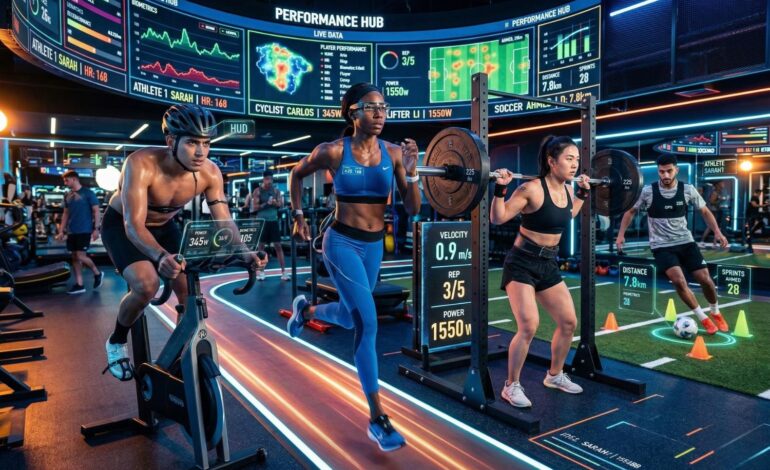

In today’s competitive sporting world, athletic performance isn’t just about sweat, grit, and hours in the gym anymore. Athletes and coaches across all levels—from weekend warriors to elite professionals—are turning to technology and data to gain an edge. Whether you’re a sprinter chasing your personal best, a marathoner leveling up, or a team sport athlete wanting smarter training, technology is reshaping how we train, recover, and compete.
This guide will explore how to improve athletic performance using modern tools, data insights, and science‑backed strategies.
1. Why Technology Matters in Modern Athletic Performance
Technology has seeped into every corner of our lives, and sports are no exception. In the past, athletic training was based mainly on intuition and trial‑and‑error. Today, technology enables:
- Precise measurement of performance metrics
- Data‑driven training plans tailored to individual needs
- Real‑time feedback during workouts and competitions
- Injury risk reduction through predictive analytics
This isn’t simply about gadgets—it’s about smarter, safer, and more defined progress.
2. Wearable Technology: Beyond Counting Steps
Wearables are perhaps the most visible way technology has entered sports. Fitness trackers and smart watches have evolved from counting steps to capturing advanced performance data.
Popular Wearables and Their Impact
- GPS tracking devices — Used by runners, cyclists, and team sports athletes to monitor speed, distance, and location patterns.
- Heart rate monitors — Provide insight into exertion levels, helping athletes train in the right zones.
- IMUs (Inertial Measurement Units) — Measure movement, acceleration, and biomechanics.
These devices offer deep insights into performance that simply wasn’t possible before. Coaches use this data to fine‑tune workouts, manage load, and prevent overtraining.
Real World Example:
A soccer team might use GPS data to understand each player’s workload during practice and games. If a midfielder is running significantly more than others, training can be adjusted to prevent burnout.
3. Smart Training Equipment: Precision in Every Rep
Technology isn’t limited to tracking—it now actively guides your workouts.
Connected Gym Equipment
- Smart treadmills automatically adjust pace and incline based on your heart rate.
- Resistance machines sync with apps to record reps, track strength progress, and adjust loads.
- Force plates measure balance, power, and stability, often used in elite athletics testing.
Why This Matters
When workouts are precise, every rep becomes more efficient. Athletes spend less time guessing and more time progressing.
4. Data Analytics: From Numbers to Insights
It’s one thing to collect data, and another to use it meaningfully. This is where data analytics comes in.
What Data Analytics Can Reveal
- Performance patterns over time
- Recovery needs based on heart rate variability
- Injury risk indicators
- Best training windows for peak performance
Analytics platforms aggregate data from wearables, lab tests, and subjective athlete feedback (like perceived exertion). They convert raw numbers into actionable plans.
Case Study: Predictive Analytics
A track runner might log hundreds of workouts over a season. Data analytics can reveal that when their sleep dips below a certain threshold, performance suffers two days later. With this knowledge, recovery becomes part of training—not an afterthought.
5. Biomechanics & Motion Analysis: Understanding How You Move
Human movement is complex. Biomechanics technology helps athletes understand how they move, not just what they did.
Tools Used in Motion Analysis
- High‑speed cameras
- Marker‑based systems
- 3D motion capture setups
These tools can identify inefficient techniques—like incorrect foot strike, poor posture, or asymmetrical movement patterns.
Example Use in Sprinting
Sprinters often improve by small margins—hundredths of a second can decide a race. Biomechanics capture systems reveal tiny inefficiencies in stride length or angle that may be holding an athlete back.
6. Recovery Tech: Training Hard, Recovering Smarter
Performance isn’t just about hard training—it’s also about smart recovery. Recovery tech has become a staple in pro athlete routines.
Leading Recovery Technologies
- Percussive therapy devices (e.g., massage guns)
- Compression gear
- Cryotherapy chambers
- Infrared saunas
- Sleep tracking technology
These tools help muscles repair, reduce inflammation, and prepare the body for the next training session.
Sleep: The Ultimate Performance Booster
Sleep trackers help athletes understand sleep quality, not just duration. Because recovery happens largely during sleep, optimizing this time has a huge impact on performance.
7. Nutrition Tracking Through Apps and Wearables
Nutrition and hydration are key performance factors. Today’s apps scan food, track macros, and monitor hydration to make feeding your body intentional rather than guesswork.
How It Helps
- Ensures optimal fueling before key workouts
- Supports proper electrolyte balance
- Adjusts intake based on training load and goals
Some advanced systems even integrate metabolic data—this helps athletes understand exactly how many calories they burn in training.
8. AI Coaching: Your Digital Performance Partner
Artificial Intelligence is now entering coaching, offering tailored suggestions based on data patterns.
What AI Coaches Can Do
- Generate personalized training plans
- Adjust workouts based on performance feedback
- Predict optimal rest periods
- Offer real‑time workout cues
While AI doesn’t replace human coaches, it empowers them. The combination of human intuition and machine precision creates a powerful training duo.
9. Virtual and Augmented Reality for Enhanced Training
Virtual Reality (VR) and Augmented Reality (AR) are emerging tools in athletic training.
Use Cases in Sports
- Visualization drills for performance mindset training
- Skill simulations for strategic practice
- AR overlays to correct form in real time
VR can also help with mental conditioning—athletes visualize performance under pressure, helping reduce anxiety and improve focus.
10. Team Sports and Big Data: Winning Through Insights
Team sports, such as basketball, football, and soccer, use big data in scouting, planning, and in‑game analysis.
Examples of Data Use
- Heat maps to show player positioning
- Load management to prevent injuries
- Opponent pattern analysis to identify weaknesses
- Performance dashboards for coaches
Teams that harness this data statistically outperform those relying only on traditional coaching.
11. How to Start Using Technology Without Feeling Overwhelmed
For many athletes, high‑end tech and analytics can feel intimidating. The key is to start small:
- Choose One Tracker – Start with a reliable wearable that measures your key metrics.
- Set Clear Goals – What do you want to improve? Speed? Endurance? Strength?
- Monitor, Don’t Obsess – Data is a tool, not a judge.
- Use Feedback Weekly – Look for patterns, not daily fluctuations.
- Partner with a Coach – Even basic coaching multiplied by good data equals big results.
12. Common Mistakes Athletes Make with Technology
To truly succeed, it helps to understand pitfalls:
- Relying on tech without context — Data must be interpreted.
- Switching tools too often — Consistency matters more than variety.
- Ignoring recovery metrics — Load without recovery equals burnout.
- Comparison with others — Your data should help you improve you.
Technology works best when aligned with goals and human insight.
13. The Future of Athletic Performance Technology
Looking ahead, tech will become even more personal, predictive, and powerful. Bio‑sensing wearables, real‑time AI coaching, and brain‑computer interfaces are on the horizon.
Imagine a training session where:
- Your gear adjusts in real time
- Your coach receives live analytics
- Your recovery plan updates automatically
- Your mind and body are synchronized for peak output
That future is closer than many people think.
14. Final Thoughts: Embrace the Tools, Honor the Journey
Technology and data offer incredible advantages, but they are tools—not magic. Athletic performance still demands discipline, consistency, rest, and mental strength. Use tech to enhance your training, not replace the grit that got you into sports in the first place.
If you want to improve athletic performance, make technology your partner—listen to your data, adjust wisely, and celebrate progress one step at a time.