How to Protect Your Personal Data Online in the Digital Age
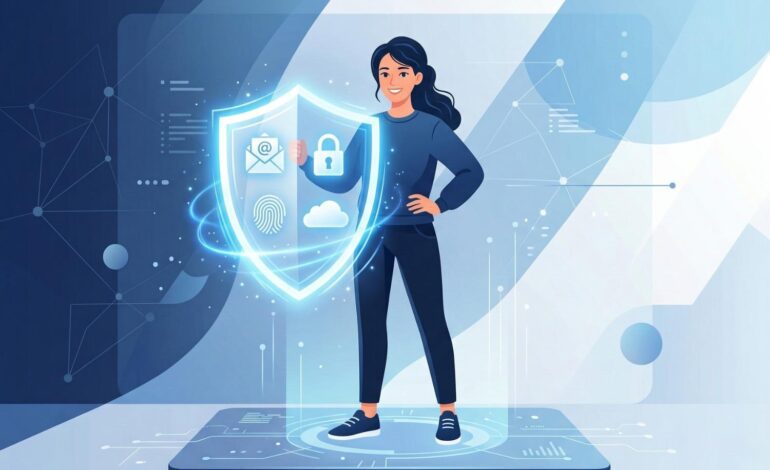

In today’s world, our lives are deeply intertwined with the internet. From scrolling social media to shopping online, paying bills, and even connecting with loved ones – we constantly generate data. But with this convenience comes risk. Millions of people fall victim to data breaches, identity theft, and online fraud each year. That’s why learning how to protect personal data online is no longer optional – it’s essential.
This article will guide you through practical, relatable, and easy‑to‑follow strategies to keep your personal information safe in the digital age. No technical jargon, just simple steps you can start doing today.
🔒 Why Your Protect Personal Data Online Matters
Before we dive into how to protect your personal data online, let’s understand why it’s valuable.
Your personal data includes things like:
- Your full name
- Date of birth
- Address and phone number
- Email credentials
- Banking and credit card information
- Photos and messages
- Social media activity
Companies collect this data to personalize your experience, but hackers and fraudsters can misuse it to steal your identity, drain your accounts, or even impersonate you online.
Imagine someone opening a credit card in your name, accessing your bank account, or posting harmful content pretending to be you — scary, right? That’s why taking proactive steps to protect yourself is crucial.
🧠 Think Like a Guardian: Mindful Online Behavior
The first step to protecting your data online isn’t about tech — it’s awareness.
🎯 Be Conscious of What You Share
We all love sharing photos and updates online, but oversharing can expose sensitive information. Before posting, ask:
- Does this reveal my location?
- Am I sharing personal contact info?
- Does this give clues about my passwords or security questions?
Simple changes make a big difference. For example, avoid posting your child’s full name, your exact address, or your birthday online.
📆 Limit Public Posts
If your social accounts are set to “public,” anyone — including scammers — can view your data. Adjust privacy settings so only people you trust can see your posts.
🔑 Use Strong, Unique Passwords
One of the easiest ways hackers gain access to your accounts is through weak passwords.
✔️ Tips for Strong Passwords
- Use long and unique passwords (12+ characters).
- Mix letters, numbers, and symbols.
- Avoid obvious things like birthdays or “password123.”
Most importantly, don’t use the same password for multiple accounts. If one gets compromised, others become vulnerable too.
🧠 Use a Password Manager
A password manager safely stores your passwords and helps generate strong ones. This means you only need to remember one master password — and the rest stays secure.
📱 Two‑Factor Authentication (2FA): A Must
Passwords alone aren’t enough. Two‑factor authentication adds an extra layer of protection.
When 2FA is enabled, even if someone gets your password, they won’t be able to log in without a second form of verification — like:
- A code sent to your phone
- A fingerprint scan
- A security key device
Turn on 2FA wherever possible — email, social media, banking apps — it’s one of the best defenses you can have.
🛑 Beware of Phishing Scams
Phishing is when attackers pretend to be someone you trust — like your bank or a service you use — to trick you into giving away sensitive info.
Here’s how to spot phishing:
🚩 Red Flags
- Emails with urgent demands like “Pay now” or “Verify immediately”
- Messages with spelling and grammar mistakes
- Links that don’t match the sender’s name
Always double‑check the sender’s email address and never click suspicious links. If unsure, go directly to the official website instead of clicking through the message.
📡 Secure Your Devices and Connections
🔐 Keep Software Up to Date
Software updates are annoying, but they’re vital. Updates often include patches that fix security weaknesses hackers exploit.
🛡️ Install Antivirus Protection
Good antivirus software can catch threats before they harm your data. Keep it updated and run regular scans.
🌐 Use Secure Wi‑Fi Only
Public Wi‑Fi networks (e.g., in cafes, airports) are convenient but risky. Hackers can intercept the data you send over these networks. When you must use public Wi‑Fi:
- Avoid banking or shopping
- Use a VPN (Virtual Private Network) for encryption
🧾 Be Careful with Permissions
Apps often ask for access to your camera, contacts, location, and more. Ask yourself:
- Does this app really need this access?
- What happens if I deny it?
Limit app permissions to only what’s necessary.
🔍 Regularly Review Your Accounts
Set a routine to:
- Check bank and credit card statements
- Review social media privacy settings
- Audit connected apps and devices
Catching unusual behavior early makes it easier to respond and recover.
🆘 What to Do if You’re Hacked
Even with precautions, breaches can happen. If you suspect your data is compromised:
🧠 Act Fast
- Change your passwords immediately
- Enable 2FA if not already on
- Contact your bank and protect your financial accounts
🛡️ Freeze Your Accounts
If identity theft is involved, you can freeze credit reports and notify fraud departments.
Don’t panic — responding quickly reduces damage.
🧒 Teach Your Family and Community
Protecting personal data isn’t just about you — it’s about everyone around you.
Talk to your family, especially kids and older relatives, about:
- Safe online behavior
- Recognizing scams
- Protecting passwords
Families that learn together stay safer together.
📌 Quick Checklist: Daily Habits to Stay Safe
✔ Use strong, unique passwords
✔ Turn on two‑factor authentication
✔ Update devices and apps regularly
✔ Avoid public Wi‑Fi without a VPN
✔ Review account activity weekly
✔ Limit what you share on social media
These habits take minutes but protect you for years.
🧠 Final Thoughts
In our digital world, protecting personal information is an ongoing process — not a one‑time setup. Every click, app install, and shared photo matters. By taking simple, consistent steps you can significantly reduce your risk of falling victim to online threats.
Learning how to protect personal data online is empowering. It gives you control over your digital life instead of leaving it exposed to unseen dangers.
Stay informed, stay cautious, and most importantly — stay safe.