How Sport Lifestyle and Recreation Can Transform Your Daily Routine and Mental Health


In a world where screens dominate our attention and stress has quietly become part of daily life, many people are searching for something real—something that brings energy, clarity, and purpose back into their routine. That’s where sport lifestyle and recreation steps in, not as a luxury, but as a necessity.
From early morning jogs in the park to weekend football matches or even a simple evening walk, incorporating movement into your lifestyle isn’t just about fitness—it’s about transforming how you live, think, and feel.
Why Sport Lifestyle and Recreation Matters Today
Modern life is fast-paced, digitally driven, and often sedentary. According to global health studies, a significant percentage of adults fail to meet basic physical activity recommendations. This inactivity doesn’t just affect physical health—it deeply impacts mental well-being.
A sport lifestyle and recreation approach focuses on integrating physical activity into everyday life in a sustainable and enjoyable way. It’s not about extreme workouts or strict routines—it’s about consistency, enjoyment, and balance.
The Shift from Fitness to Lifestyle
In the past, exercise was often seen as something separate—something you “had to do.” Today, the perspective is changing:
| Traditional Fitness Approach | Sport Lifestyle & Recreation Approach |
|---|---|
| Gym-focused workouts | Daily active living |
| Short-term goals | Long-term habits |
| Pressure-driven | Enjoyment-driven |
| Isolated activity | Social and community-based |
This shift is powerful because it makes movement accessible to everyone, regardless of age or fitness level.
The Mental Health Benefits You Can’t Ignore

One of the most significant impacts of adopting a sport lifestyle and recreation routine is the improvement in mental health.
1. Reduces Stress and Anxiety
Physical activity triggers the release of endorphins—often called “feel-good hormones.” These chemicals help reduce stress, improve mood, and create a sense of calm.
Even light activities like walking or cycling can:
- Lower cortisol (stress hormone) levels
- Improve emotional resilience
- Reduce symptoms of anxiety
2. Boosts Confidence and Self-Esteem
When you stay active, you begin to notice small wins—better stamina, improved posture, and increased energy. These changes build confidence naturally.
Recreational sports also:
- Encourage goal setting
- Improve body image
- Create a sense of achievement
3. Enhances Focus and Productivity
If you’ve ever felt mentally drained after long hours of work, physical activity can act as a reset button.
Studies show that people who engage in regular physical activity:
- Have better concentration
- Make quicker decisions
- Experience improved memory retention
Transforming Your Daily Routine Through Movement
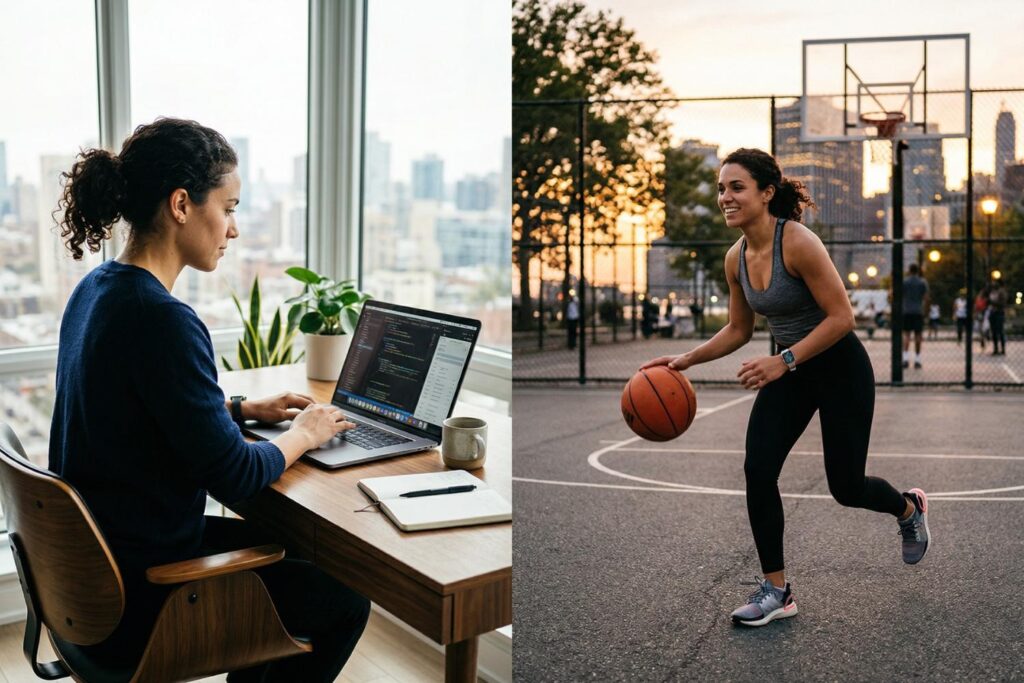
Incorporating sport lifestyle and recreation doesn’t require a complete life overhaul. Small, consistent changes can create a powerful ripple effect.
Morning: Start Strong
Instead of reaching for your phone first thing in the morning, try:
- A 10-minute stretch routine
- A short jog or brisk walk
- Light yoga or mobility exercises
This sets a positive tone for the day and boosts energy levels naturally.
Midday: Break the Sedentary Cycle
Long hours of sitting can lead to fatigue and reduced productivity.
Try:
- Taking a 5–10 minute walking break
- Doing quick desk exercises
- Standing or stretching between tasks
Evening: Replace Passive Habits
Instead of spending hours scrolling through social media, consider:
- Playing a sport with friends
- Going for a walk with family
- Joining a local fitness or sports group
These activities not only improve health but also strengthen relationships.
Social and Community Impact
One often overlooked benefit of sport lifestyle and recreation is its ability to bring people together.
Building Connections
Whether it’s a local cricket match or a weekend cycling group, recreational activities:
- Foster teamwork
- Improve communication skills
- Build lasting friendships
Reducing Loneliness
In today’s digital age, many people feel isolated despite being constantly connected online. Physical activities create real, meaningful interactions.
Real-Life Impact: What the Data Shows
Here’s a snapshot of how physical activity influences different aspects of life:
| Area of Impact | Improvement with Active Lifestyle |
|---|---|
| Mental Health | 30–40% reduction in depression symptoms |
| Productivity | Up to 20% increase in efficiency |
| Sleep Quality | Significant improvement in sleep cycles |
| Energy Levels | Noticeable increase throughout the day |
These numbers highlight that adopting a sport lifestyle and recreation routine isn’t just beneficial—it’s transformative.
Choosing the Right Recreational Activities
Not all activities suit everyone. The key is to find something you enjoy so it becomes part of your lifestyle rather than a chore.
Individual Activities
- Running or jogging
- Swimming
- Cycling
- Yoga
Team-Based Activities
- Football
- Cricket
- Basketball
- Volleyball
Low-Impact Options
- Walking
- Hiking
- Stretching routines
The best activity is the one you can stick to consistently.
Overcoming Common Barriers
Despite knowing the benefits, many people struggle to adopt an active lifestyle. Let’s address some common challenges:
“I Don’t Have Time”
You don’t need hours. Even 20–30 minutes a day can make a difference.
“I’m Not Fit Enough”
Everyone starts somewhere. Begin with simple activities and progress gradually.
“I Lose Motivation”
Focus on enjoyment rather than results. Choose activities you genuinely like.
How Businesses and Celebrities Are Embracing Active Lifestyles
Interestingly, many successful individuals credit their productivity and mental clarity to physical activity.
- Entrepreneurs use exercise as a mental reset tool
- Athletes promote recreational sports for mental health awareness
- Celebrities incorporate fitness into daily routines for balance and discipline
This trend reflects a broader understanding that success is deeply connected to well-being.
Frequently Asked Questions (FAQs)
1. What is meant by sport lifestyle and recreation?
It refers to incorporating physical activities and sports into your daily routine in a balanced and enjoyable way to improve overall well-being.
2. How does physical activity improve mental health?
Exercise releases endorphins, reduces stress hormones, and improves mood, focus, and emotional stability.
3. Can beginners adopt a sport lifestyle easily?
Yes, starting with simple activities like walking or stretching can gradually lead to a more active lifestyle.
4. How much time should I dedicate daily?
Even 20–30 minutes of moderate activity is enough to see noticeable benefits.
5. What are the best recreational activities for stress relief?
Walking, yoga, swimming, and team sports are excellent for reducing stress and improving mood.
Conclusion
Adopting a sport lifestyle and recreation approach is more than just staying active—it’s about transforming your entire way of living. From improved mental health and productivity to stronger social connections, the benefits extend far beyond physical fitness.
In a time when stress and inactivity are common, choosing movement is a powerful step toward a healthier, more balanced life. Start small, stay consistent, and most importantly—enjoy the process.