How Do Changing Seasons Affect Our Lifestyle? A Complete Guide to Health, Mood, and Daily Habits


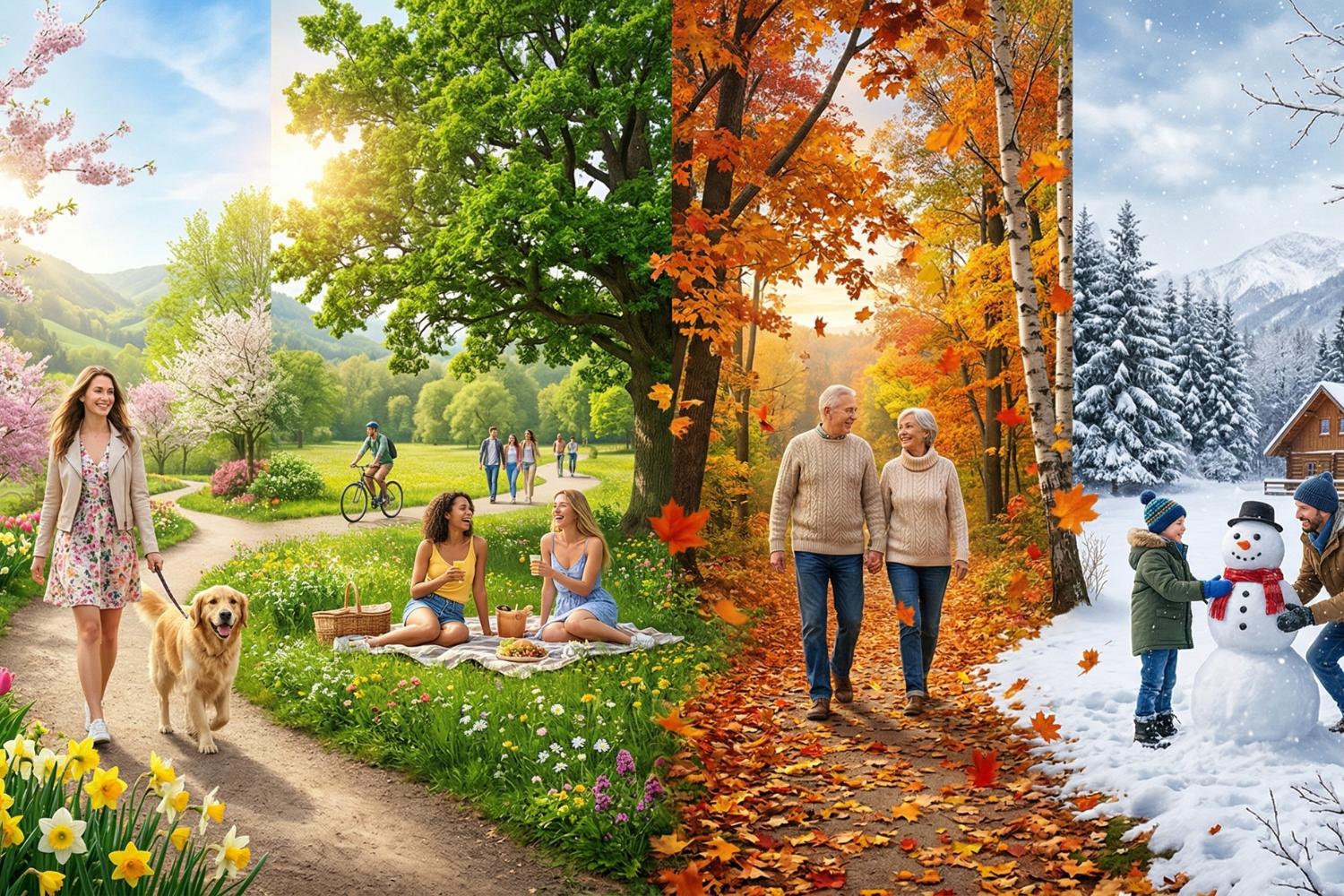
Seasons don’t just change the weather—they quietly reshape the way we live, think, eat, and even feel. From the burst of energy many people experience in spring to the slower, reflective pace of winter, seasonal transitions influence our lifestyle in ways we often overlook. If you’ve ever felt unusually motivated in summer or a bit low during colder months, you’ve already experienced how deeply seasons can affect daily life.
In this in-depth guide, we’ll explore how do changing seasons affect our lifestyle, breaking down the science, psychology, and real-life habits tied to seasonal shifts. Whether you’re looking to optimize your health, improve productivity, or simply understand your mood swings better, this article will give you practical, real-world insights.
Why Seasonal Changes Matter More Than You Think
The Earth’s tilt and orbit around the sun create seasonal variations in temperature, daylight, and environmental conditions. While this is basic geography, its impact on human life is profound.
Modern lifestyles—despite being increasingly indoors—are still biologically connected to nature. Our bodies operate on circadian rhythms, which are influenced by sunlight exposure. When seasons change, these rhythms shift, affecting sleep, hormones, and overall well-being.
Why it matters:
- Changes in daylight alter sleep patterns
- Temperature shifts impact physical activity
- Seasonal foods influence diet
- Weather affects social behavior and mental health
Ignoring these changes can lead to fatigue, low productivity, or even health issues.
The Impact of Seasons on Physical Health

1. Immune System Fluctuations
Cold seasons often bring a rise in illnesses like flu and colds. This isn’t just coincidence.
- Viruses survive longer in colder, drier air
- People spend more time indoors, increasing transmission
- Vitamin D levels drop due to less sunlight
In contrast, warmer months typically see improved immunity due to better nutrition and outdoor exposure.
2. Energy Levels and Activity
Your energy isn’t constant throughout the year.
| Season | Typical Energy Level | Activity Pattern |
|---|---|---|
| Spring | Increasing | More outdoor activity |
| Summer | High | Peak physical performance |
| Autumn | Moderate | Balanced routine |
| Winter | Low | Reduced movement |
People naturally become more active in longer daylight hours, which is why gyms and parks are busier in spring and summer.
3. Sleep Patterns
Seasonal light exposure directly affects melatonin production—the hormone responsible for sleep.
- Winter: Longer nights → more sleepiness
- Summer: Shorter nights → reduced sleep duration
Disruptions in this cycle can lead to fatigue or insomnia if not managed properly.
How Seasons Influence Mental Health and Mood

Seasonal Mood Swings Are Real
Many people experience emotional changes as seasons shift. One well-known condition is Seasonal Affective Disorder (SAD), typically occurring in winter.
Common symptoms:
- Low energy
- Lack of motivation
- Irritability
- Changes in appetite
Even without SAD, subtle mood variations are common.
The Psychology Behind It
Sunlight plays a key role in serotonin production—a neurotransmitter linked to happiness.
- More sunlight → higher serotonin → improved mood
- Less sunlight → lower serotonin → increased risk of depression
This explains why people often feel happier and more social during spring and summer.
Seasonal Effects on Daily Habits
1. Eating Patterns
Seasonal availability of food influences diet naturally.
- Winter: Heavier, calorie-rich foods
- Summer: Light, fresh, hydrating meals
This shift isn’t just cultural—it’s biological. The body craves more energy-dense food in colder weather.
2. Productivity and Work Performance
Productivity often follows seasonal patterns:
- Spring: Renewed motivation and goal-setting
- Summer: High energy but potential distractions
- Autumn: Peak focus and discipline
- Winter: Slower pace, more reflective work
Understanding this can help in planning work schedules or business strategies more effectively.
3. Social Behavior
Seasonal changes also impact how we interact socially.
- Warm weather encourages outdoor gatherings
- Cold weather leads to more isolation
- Festivals and holidays influence social engagement
This explains why many major cultural and social events are concentrated in certain seasons.
Seasonal Changes and Lifestyle Choices
Fitness Routines
Your workout habits likely change with the weather.
- Outdoor running, sports, and activities increase in warmer months
- Indoor workouts become more common in winter
Adapting your fitness routine instead of abandoning it is key to consistency.
Skincare and Grooming
Each season demands different skincare approaches:
- Summer: Sun protection and hydration
- Winter: Moisturization and protection from dryness
Lifestyle adjustments here can prevent long-term skin issues.
Travel and Leisure
Travel behavior is heavily seasonal.
- Summer: Vacations, beach trips
- Winter: Snow tourism, indoor leisure
Businesses in travel and hospitality rely heavily on these patterns.
Real Insights: How Different People Experience Seasonal Changes
Students
- Summer: Breaks and relaxation
- Winter: Academic pressure and exams
Professionals
- Spring/Autumn: Peak productivity
- Winter: Strategic planning period
Athletes
- Performance often peaks in moderate temperatures
- Extreme weather affects endurance and recovery
These patterns highlight that seasonal impact varies based on lifestyle and profession.
Practical Tips to Adapt to Seasonal Changes
Stay Physically Active Year-Round
Don’t let weather dictate your fitness. Switch to indoor workouts when necessary.
Maintain a Balanced Diet
Eat seasonal foods but ensure nutritional balance, especially in winter.
Manage Light Exposure
- Spend time outdoors during daylight
- Use artificial light therapy if needed
Adjust Your Routine
Align your daily habits with seasonal energy levels rather than fighting them.
Frequently Asked Questions (FAQs)
1. How do changing seasons affect our lifestyle the most?
Seasonal changes mainly impact our sleep patterns, mood, energy levels, and daily habits. These effects are driven by changes in sunlight, temperature, and environment.
2. Why do people feel more tired in winter?
Reduced sunlight affects melatonin and serotonin levels, leading to increased sleepiness and lower energy.
3. Can seasons affect mental health significantly?
Yes, especially during winter. Conditions like Seasonal Affective Disorder (SAD) can cause noticeable mood changes.
4. How can I stay productive during seasonal changes?
Adjust your routine according to energy levels, maintain consistent sleep, and ensure regular physical activity.
5. Do seasonal changes affect diet naturally?
Yes, people tend to crave heavier foods in winter and lighter, hydrating meals in summer due to the body’s changing energy needs.
Conclusion
Understanding how do changing seasons affect our lifestyle gives you a powerful advantage in managing your health, mood, and daily routines. Instead of resisting these natural shifts, the key is to adapt—align your habits with the rhythm of the seasons.
From improving your sleep and productivity to maintaining mental well-being, small adjustments can make a big difference. Seasons will always change—but with the right approach, you can thrive in every one of them.