
Stores Closing Across the US: Why Thousands of Retail Locations Are Shutting Down This Year
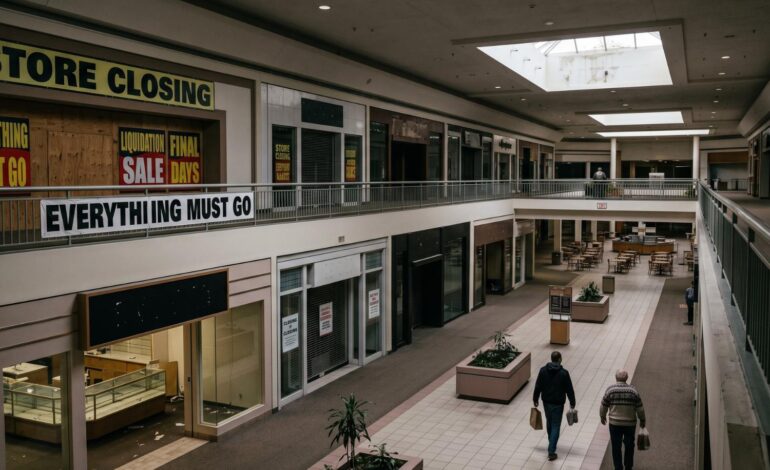

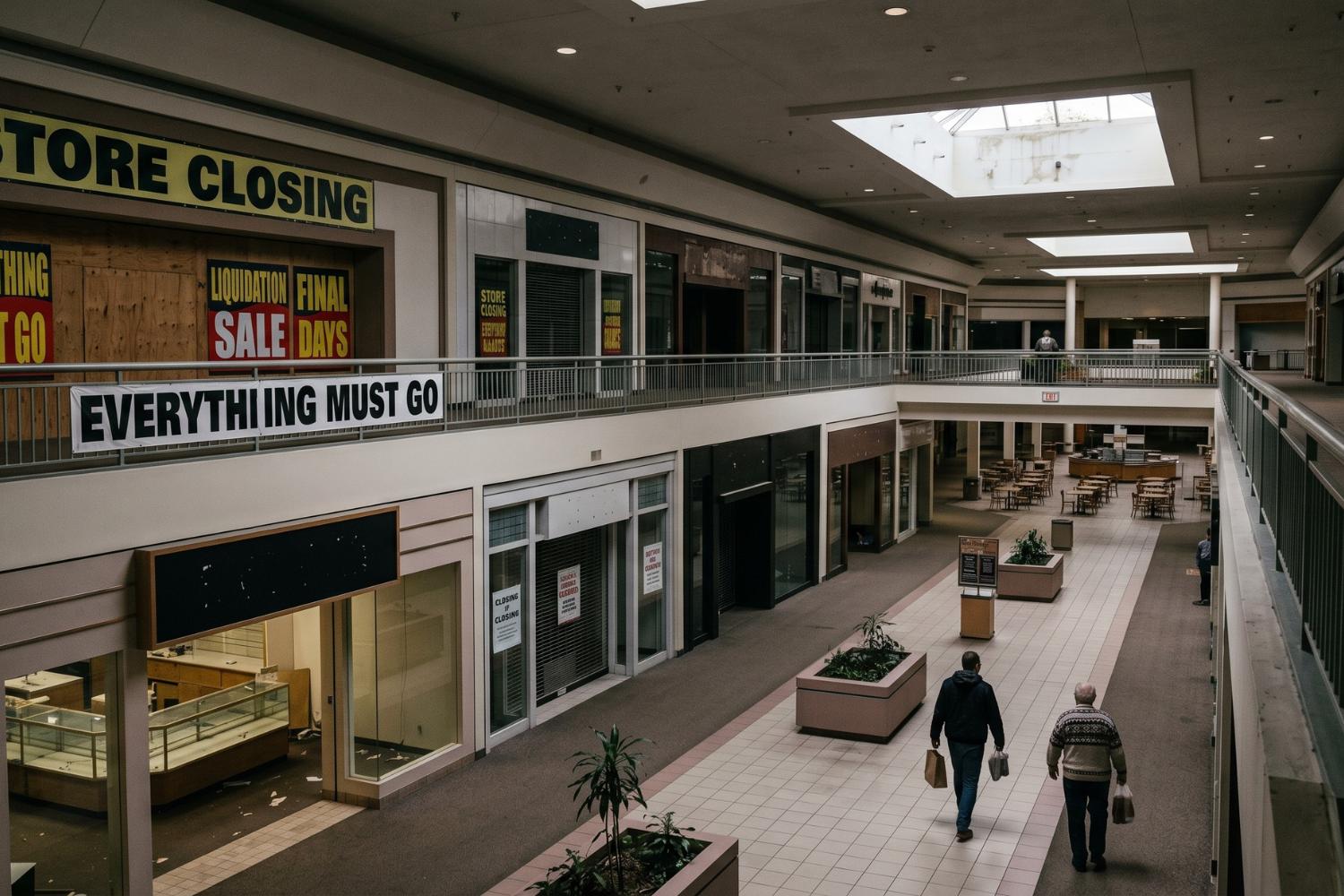
The American retail landscape is undergoing one of its biggest transformations in decades. Across the country, stores closing signs are appearing at shopping malls, city centers, and neighborhood retail plazas at an alarming pace. From iconic department stores to smaller regional chains, thousands of retail locations are shutting down this year, leaving consumers and employees wondering what comes next.
The wave of stores closing is not limited to one sector. Clothing retailers, electronics chains, pharmacies, and even grocery stores are being affected. Industry analysts say this trend reflects major changes in consumer behavior, economic pressures, and the continued growth of digital commerce.
For shoppers, this means fewer physical stores to browse. For workers, it creates uncertainty around jobs. And for the retail industry itself, it signals a dramatic shift in how Americans shop.
As covered in recent news updates, these closures are part of a much larger economic and technological transformation reshaping the United States.
Why Are So Many Stores Closing in 2026?
Several factors are driving the increase in stores closing across the United States.
1. Growth of Online Shopping
E-commerce continues to dominate retail sales. Consumers increasingly prefer shopping online because of convenience, fast delivery, and wider product selection.
Retail giants that failed to build strong digital platforms are struggling to compete. Many brick-and-mortar chains have lost significant market share to online marketplaces.
According to recent technology trends reports, artificial intelligence and personalized online shopping tools have accelerated this shift.
2. Rising Operational Costs
Retailers are facing higher expenses across the board:
- Rent increases
- Utility costs
- Employee wages
- Supply chain disruptions
- Insurance and security expenses
For many locations, especially those in aging malls, operating costs have become unsustainable.
This has led companies to shut underperforming stores to focus resources on stronger-performing locations.
3. Inflation Impacting Consumer Spending
Economic uncertainty has changed spending habits. Consumers are prioritizing essentials over discretionary purchases.
Luxury and fashion retailers are particularly vulnerable, as shoppers cut back on non-essential spending.
Recent business insights show inflation remains one of the biggest factors affecting retail performance nationwide.
Major Retail Chains Announcing Stores Closing
Several household names have announced significant store closures this year.
Department Stores
Traditional department stores continue to struggle due to changing shopping preferences. Chains once considered retail powerhouses are downsizing aggressively.
The decline of department stores has accelerated as malls lose foot traffic and younger consumers shift online.
Pharmacy Chains
Major pharmacy retailers are shutting locations as competition increases from online prescription services and delivery apps.
The convenience of digital healthcare platforms has changed how customers access medication and wellness products.
Fashion Retailers
Fast fashion competition and changing style trends have hurt established apparel brands.
Brands unable to adapt quickly are reducing physical footprints to stay financially stable.
Coverage in lifestyle reports highlights how changing consumer tastes are forcing retailers to rethink store strategies.
The Mall Collapse and Stores Closing
The traditional American mall is facing a historic decline.
Once bustling centers of commerce and social life, many malls now struggle with:
- Empty storefronts
- Reduced foot traffic
- Declining anchor tenants
- High maintenance costs
As anchor stores close, smaller businesses lose customer traffic and often shut down as well.
This domino effect has caused some malls to become nearly abandoned.
Urban planners are now repurposing these spaces into:
- Residential apartments
- Office spaces
- Medical centers
- Entertainment venues
This transformation reflects broader changes in how communities interact with retail spaces.
How E-Commerce Is Accelerating Stores Closing
E-commerce giants have fundamentally changed consumer expectations.
Today’s shoppers expect:
- Same-day delivery
- Easy returns
- Personalized product recommendations
- Competitive pricing
- 24/7 convenience
Physical stores struggle to match these benefits.
Retailers investing heavily in digital infrastructure are surviving, while those relying solely on in-store sales are disappearing.
As discussed in general market analysis, digital-first strategies are now essential for retail survival.
The Human Impact of Stores Closing
Behind every store closure are real people affected by the change.
Job Losses
Thousands of workers face layoffs each year due to stores closing.
This includes:
- Sales associates
- Store managers
- Warehouse staff
- Maintenance workers
- Security personnel
For many local communities, these closures remove stable employment opportunities.
Community Disruption
Retail stores often serve as social and economic hubs.
When they close, neighborhoods lose:
- Convenience
- Local tax revenue
- Employment opportunities
- Gathering spaces
This impact is especially severe in smaller towns where major retailers serve as anchor businesses.
Retailers That Are Adapting Successfully
Not all retailers are struggling.
Some companies are thriving by adapting quickly.
Successful retailers are focusing on:
Omnichannel Shopping
Blending physical and digital experiences through:
- Buy online, pick up in-store
- Mobile app integration
- Personalized customer service
Smaller Store Formats
Retailers are opening compact stores with lower overhead and more efficient layouts.
These stores target convenience-focused shoppers.
Experiential Shopping
Modern stores now emphasize experiences rather than just transactions.
Examples include:
- Interactive product demos
- Community events
- In-store personalization services
This creates reasons for customers to visit physical locations.
Will Stores Closing Continue?
Experts believe retail closures will continue throughout the next several years.
However, the future of retail is not disappearing—it is evolving.
Physical stores that offer value beyond basic transactions can still succeed.
Future retail success will depend on:
- Technology adoption
- Customer experience innovation
- Strategic location planning
- Flexible business models
The era of massive retail expansion is over, but smarter, more adaptive retail models are emerging.
What Consumers Should Expect
As stores closing continue, shoppers will notice changes such as:
- Fewer large department stores
- More online-exclusive brands
- Faster digital shopping options
- Increased local specialty stores
- Hybrid retail experiences
Consumers are driving this transformation through changing habits and expectations.
Final Thoughts on Stores Closing Across the US
The surge in stores closing reflects a historic shift in the retail industry.
Economic pressures, online competition, and changing consumer preferences are reshaping how Americans shop.
While closures create challenges for workers and communities, they also signal innovation and adaptation within retail.
The next chapter of American commerce will likely blend technology, convenience, and personalized experiences in ways traditional retail never imagined.
For more updates on retail changes, economic trends, and breaking developments, visit Zevaan