


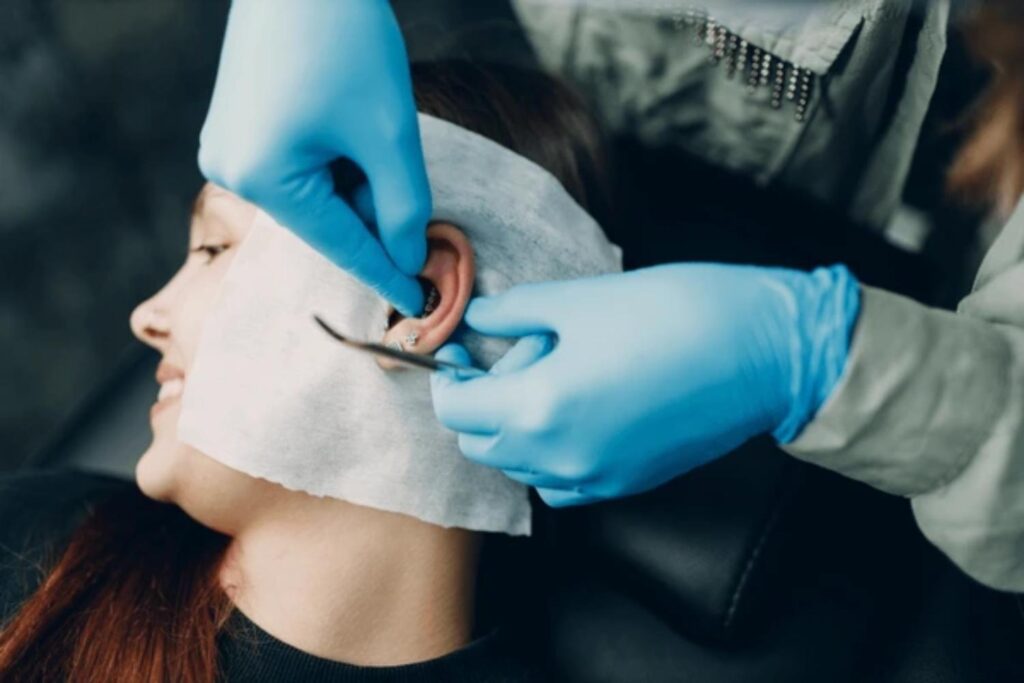
If you’re considering a daith piercing, you might be wondering about the costs, the level of discomfort, and how long it takes to heal. This guide will walk you through everything you need to know to make an informed decision, from the piercing procedure to aftercare tips, ensuring a safe and stylish experience.
What is a Daith Piercing?
A daith piercing is a unique ear piercing located in the innermost cartilage fold of your ear. Unlike standard lobe piercings, daith piercings pass through the crux of the ear’s cartilage, giving them a distinctive look. Daith piercings have gained popularity not only for their aesthetic appeal but also for their alleged health benefits, such as helping with migraine relief—though scientific evidence for this claim is limited.
Anatomy of the Daith Piercing
Understanding the anatomy of the ear is essential before getting a daith piercing. The piercing is done through the cartilage above the ear canal, which is a thicker, more rigid area compared to the soft lobe. Because cartilage is dense, proper technique and hygiene are crucial to prevent complications like infections or keloid formation.
Costs of a Daith Piercing
The cost of a daith piercing can vary based on several factors, including location, studio reputation, and jewelry choice.
Typical Price Range
On average, a daith piercing can cost anywhere from $30 to $100. This price usually includes the piercing itself, basic aftercare instructions, and sometimes a starter piece of jewelry. High-end studios or piercers with extensive experience may charge more.
Jewelry Costs
The type of jewelry you choose can significantly affect the overall cost. Common options include:
- Captive bead rings (CBRs) – Often included in studio pricing.
- Seamless hoops – Slightly more expensive but more comfortable for some.
- Custom or designer jewelry – Can range from $50 to $200 or more.
Investing in high-quality jewelry made from surgical steel, titanium, or gold is essential to prevent allergic reactions and promote proper healing.
Pain and Discomfort: What to Expect
Pain is a natural concern when it comes to daith piercings, given that cartilage piercings are generally more sensitive than earlobe piercings.
During the Piercing
Most people describe the initial piercing as a sharp pinch followed by a dull pressure or throbbing sensation. The intensity of pain varies depending on individual pain tolerance, the piercer’s technique, and whether a needle or piercing gun is used. Professional piercers always use a sterilized needle, which is safer and less traumatic for the cartilage.
After the Piercing
After the initial piercing, you may experience soreness, swelling, or mild redness. These symptoms typically last a few days and can be managed with over-the-counter pain relief, cold compresses, and following proper aftercare procedures.
Healing Timeline for a Daith Piercing
Healing is a critical aspect of a successful daith piercing. Cartilage piercings like daith piercings require more time to heal than standard lobe piercings.
Initial Healing Phase
- 0–2 weeks: Swelling and tenderness are most prominent. Avoid sleeping on the pierced ear to reduce irritation.
- 2–4 weeks: Mild redness may persist, and you might notice some crusting around the jewelry. This is normal.
Intermediate Healing Phase
- 4–8 weeks: Pain should significantly decrease. Jewelry may still feel tight or slightly uncomfortable.
- 8–12 weeks: Swelling and redness usually subside. Piercing should begin to feel more stable.
Complete Healing
Daith piercings can take 6–12 months to fully heal. During this time, it’s essential to avoid changing the jewelry prematurely, using alcohol or harsh cleaning agents, or exposing the piercing to unclean environments.
Aftercare Tips for Daith Piercings
Proper aftercare is vital to prevent infections and promote quick healing. Follow these guidelines:
- Clean regularly: Use a saline solution or a piercing aftercare spray twice daily.
- Avoid touching: Do not twist or turn the jewelry unnecessarily.
- Keep it dry: Minimize exposure to water in pools, hot tubs, or lakes to reduce infection risks.
- Be cautious with headphones: Avoid pressing headphones directly against the piercing during healing.
- Monitor for infection: Look out for excessive redness, swelling, or discharge, and consult a professional if symptoms persist.
Risks and Considerations
While daith piercings are generally safe when performed by professionals, there are risks involved:
- Infection: Cartilage infections are more severe and take longer to treat.
- Keloids or hypertrophic scars: Overgrowth of scar tissue can occur in some individuals.
- Migration or rejection: Rarely, the piercing may move or be pushed out of the ear.
- Allergic reactions: Jewelry made from low-quality materials can cause irritation.
Choosing an experienced, certified piercer and high-quality jewelry significantly reduces these risks.
Choosing the Right Piercer
Selecting a reputable piercer is critical for a safe daith piercing experience. Look for studios with:
- ARC-certified piercers or equivalent professional certifications.
- Sterile equipment and a clean workspace.
- Positive reviews and a portfolio of previous piercings.
Jewelry Options and Styles
Daith piercings offer a wide variety of jewelry options, allowing for personal expression. Popular choices include:
- Hoops: Simple and elegant, they follow the natural curve of the ear.
- Captive Bead Rings: Classic and secure, ideal for first-time piercings.
- Clickers: Easy to open and close, often decorated with gems or designs.
Lifestyle Considerations
Before getting a daith piercing, consider your lifestyle:
- Do you play sports or use headphones frequently?
- Are you prone to infections or have sensitive skin?
- Are you committed to long-term aftercare?
Answering these questions can help you determine if a daith piercing is right for you.
Conclusion
A daith piercing is a stylish and unique ear piercing that requires careful consideration, proper technique, and diligent aftercare. While it may involve some discomfort and a lengthy healing process, many find the aesthetic and personal satisfaction worth the effort. By understanding costs, managing pain, and following proper aftercare, you can enjoy your piercing safely and beautifully for years to come.


