


In 2026, interior design isn’t just about aesthetics — it’s about emotions. And nothing reflects that better than the rising popularity of the dopamine dresser trend. For Gen Z, furniture is no longer just functional. It’s expressive, mood-boosting, and deeply personal.
The term “dopamine” comes from neuroscience — it’s the “feel-good” chemical in the brain. While the concept gained popularity through fashion and the broader “dopamine decor” movement, Gen Z has now taken it a step further. The dopamine dresser isn’t just colorful furniture; it’s a statement of identity, optimism, and creative rebellion.
In a world shaped by digital overload, economic challenges, climate anxiety, and fast-paced social trends, Gen Z is choosing spaces that spark joy. The dresser — once a simple storage unit — has transformed into a canvas for personality and happiness.
Let’s explore why this trend has become so powerful in 2026 and why it perfectly aligns with Gen Z’s values and lifestyle.
What Is a Dopamine Dresser?
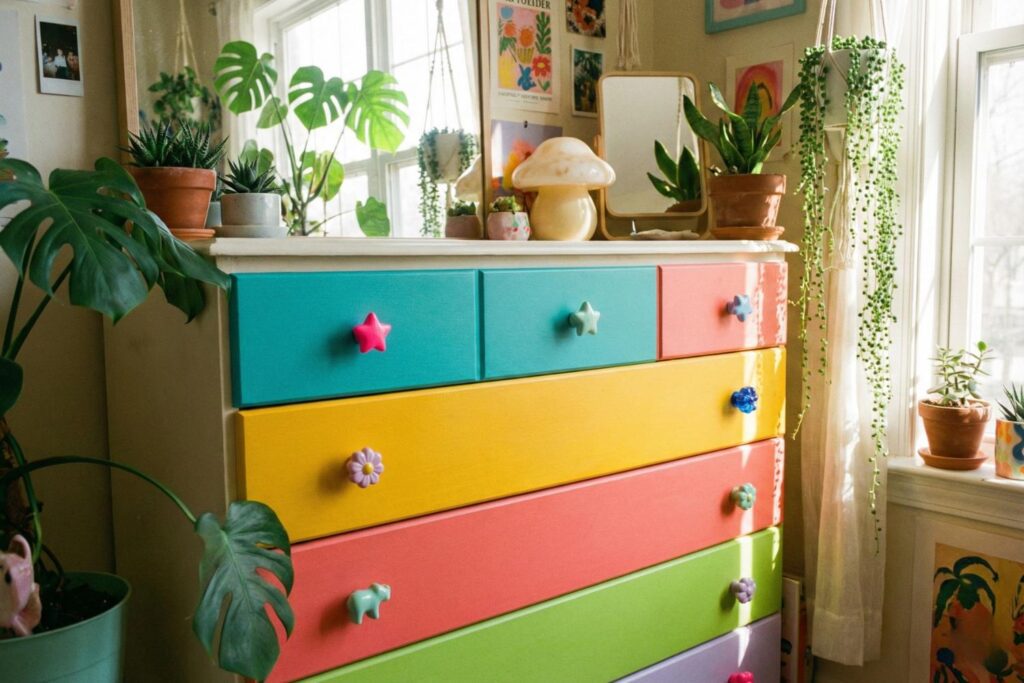
A dopamine dresser is a boldly styled dresser designed to trigger positive emotions through color, creativity, and personalization. It typically includes:
- Bright, saturated colors (hot pink, lime green, cobalt blue)
- Mixed patterns or color-block designs
- Unique handles and knobs
- Stickers, decals, or artwork
- LED lighting
- Upcycled or DIY modifications
Unlike minimalist Scandinavian styles that dominated the 2010s, dopamine dressers reject neutral tones and simplicity. Instead, they celebrate maximalism, individuality, and visual excitement.
This trend is strongly connected to the broader “dopamine decor” movement — a concept popularized across platforms like TikTok and Pinterest, where users share colorful room transformations and DIY hacks.
Why Gen Z Is Obsessed With the Dopamine Dresser Trend
1. Emotional Design Matters More Than Ever
Gen Z prioritizes mental health more openly than previous generations. Unlike Millennials who embraced muted minimalism, Gen Z seeks spaces that actively boost their mood.
The idea behind the dopamine dresser is simple: Surround yourself with colors and objects that make you happy.
Bright hues stimulate the brain, energize the mind, and create a sense of optimism. In 2026, with remote work and hybrid lifestyles becoming normal, bedrooms double as workspaces and creative studios. A cheerful dresser instantly transforms the emotional tone of the room.
2. A Reaction Against Minimalism
For years, social media was filled with beige, white, and neutral interiors. While aesthetically pleasing, many Gen Z creators found minimalism emotionally flat.
The dopamine dresser trend feels like a rebellion. It says:
“I don’t want my room to look like a showroom. I want it to feel like me.”
This shift mirrors fashion’s embrace of bold colors and playful silhouettes. Just as outfits became louder, so did furniture.

3. DIY Culture & Personalization
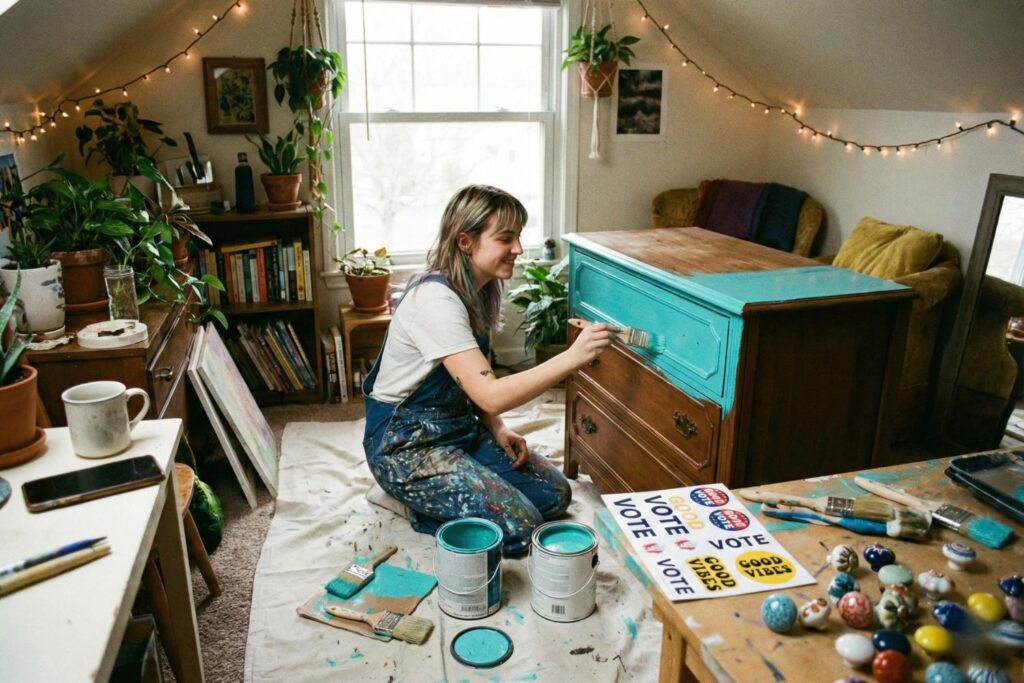
Gen Z grew up watching DIY videos on YouTube and transformation reels on Instagram. The dopamine dresser is often a DIY project — thrifted furniture repainted and redesigned.
This makes the trend:
- Affordable
- Sustainable
- Creative
- Personal
Instead of buying expensive designer furniture, many young adults visit thrift stores, flea markets, or even repaint childhood dressers. The goal isn’t perfection — it’s personality.
4. Sustainability & Upcycling
Sustainability is not optional for Gen Z — it’s a priority.
The dopamine dresser trend aligns perfectly with eco-conscious values. Rather than purchasing mass-produced fast furniture, many Gen Z creators upcycle second-hand pieces.
Upcycling reduces waste, lowers carbon footprint, and supports a circular economy. In 2026, sustainability and style go hand in hand.
5. Social Media Validation
Let’s be honest: aesthetics matter online.
A vibrant dopamine dresser photographs beautifully. It stands out in feeds dominated by neutral tones. On platforms like TikTok, colorful room makeovers often go viral because they create instant visual impact.
Gen Z values authenticity, but they also appreciate visual storytelling. A dresser covered in bold paint and art becomes:
- A backdrop for selfies
- A decor statement
- A content opportunity
In the creator economy era, your room is part of your personal brand.
The Psychology Behind Dopamine Decor
The success of the dopamine dresser trend isn’t random. It’s backed by color psychology.
- Yellow → happiness & optimism
- Blue → calmness & creativity
- Pink → playfulness & warmth
- Green → growth & balance
Color directly affects mood. For a generation openly discussing anxiety and burnout, mood-boosting interiors are powerful tools.
While previous generations separated emotional wellness from design, Gen Z blends them seamlessly.
Dopamine Dresser vs. Traditional Furniture
| Traditional Dresser | Dopamine Dresser |
|---|---|
| Neutral colors | Bright, bold shades |
| Standard knobs | Unique or mismatched handles |
| Store-bought look | DIY or personalized |
| Minimalist | Maximalist |
| Functional focus | Emotional focus |
The difference lies in intention. Traditional furniture serves a purpose. A dopamine dresser serves both a purpose and a feeling.
6. Economic Realities in 2026
Housing costs continue to rise globally. Many Gen Z adults live in shared apartments or smaller spaces. When you can’t control your entire environment, you personalize what you can.
A dresser is affordable compared to a full room makeover. Changing one furniture piece can completely shift the vibe of a bedroom.
The dopamine dresser trend thrives because it offers high emotional return at low financial investment.
7. Self-Expression in the Digital Age
Gen Z values identity. Gender norms, fashion rules, and interior standards are constantly being redefined.
The dopamine dresser allows full creative freedom:
- Cartoon stickers
- Vintage decals
- Glitter accents
- Retro 90s designs
- Pastel goth themes
No rules. No boundaries. Just personality.
In many ways, it’s furniture that feels like a mood board.
8. Mental Health & Comfort Spaces
Post-pandemic lifestyle changes reshaped how people view their homes. Bedrooms are now sanctuaries.
A cheerful dresser creates visual warmth and comfort. When mornings feel heavy, bright colors can subtly improve mood. It may seem small, but environmental psychology proves surroundings impact emotional states.
Gen Z understands that self-care isn’t only skincare routines — it’s also designing a space that supports your mental well-being.
9. The Influence of Pop Culture & Fashion
Pop culture in 2026 leans heavily into Y2K revival, playful nostalgia, and bold color palettes. These influences naturally extend into home decor.
Artists, influencers, and content creators showcase colorful homes that reject boring layouts. As fashion embraced maximalism, interior design followed.
The dopamine dresser is essentially fashion — but for your furniture.
10. The Future of the Dopamine Dresser Trend
Is this trend temporary? Unlikely.
Unlike purely aesthetic fads, the dopamine dresser is rooted in emotional design and personalization. Even if color palettes evolve, the idea of mood-boosting furniture will likely stay.
Future variations may include:
- Smart LED integrations
- Interactive surfaces
- AR-personalized designs
- Modular color panels
As Gen Z ages, their love for expressive design won’t disappear — it will mature.
How to Create Your Own Dopamine Dresser
If you’re inspired to try the trend:
- Choose a base dresser (new or thrifted).
- Pick 2–4 bold colors.
- Mix handles and knobs.
- Add decals or artwork.
- Consider LED strips for glow effects.
- Seal with protective coating.
Remember — there are no strict rules. The goal is joy.
Why This Trend Perfectly Represents Gen Z
The dopamine dresser isn’t just a piece of furniture. It symbolizes:
- Emotional awareness
- Creative freedom
- Sustainability
- Digital culture
- Individual identity
It reflects a generation that values feeling good over fitting in.
In 2026, Gen Z isn’t designing for magazines — they’re designing for themselves.
Conclusion
The rise of the dopamine dresser trend proves that interior design is no longer just about visual appeal. It’s about emotional experience.
For Gen Z, furniture is a tool for self-expression, mental wellness, and sustainability. Bright colors, bold designs, and DIY creativity combine to create something deeply personal.
In a fast, uncertain world, small pockets of happiness matter. And sometimes, happiness comes in the form of a brightly painted dresser sitting proudly in the corner of your room.
The dopamine dresser isn’t just decor — it’s joy, individuality, and optimism in physical form.


