


The risk of a goverment shutdown is escalating as Congress struggles to reach an agreement over Department of Homeland Security (DHS) oversight. With deadlines approaching, federal operations face uncertainty, potentially impacting millions of Americans.
A government shutdown occurs when Congress fails to pass funding bills, leading to a halt in non-essential government services. While essential functions, such as national security and emergency services, continue, other operations—from national parks to certain federal agencies—may close.
What is Driving the DHS Oversight Deadlock?
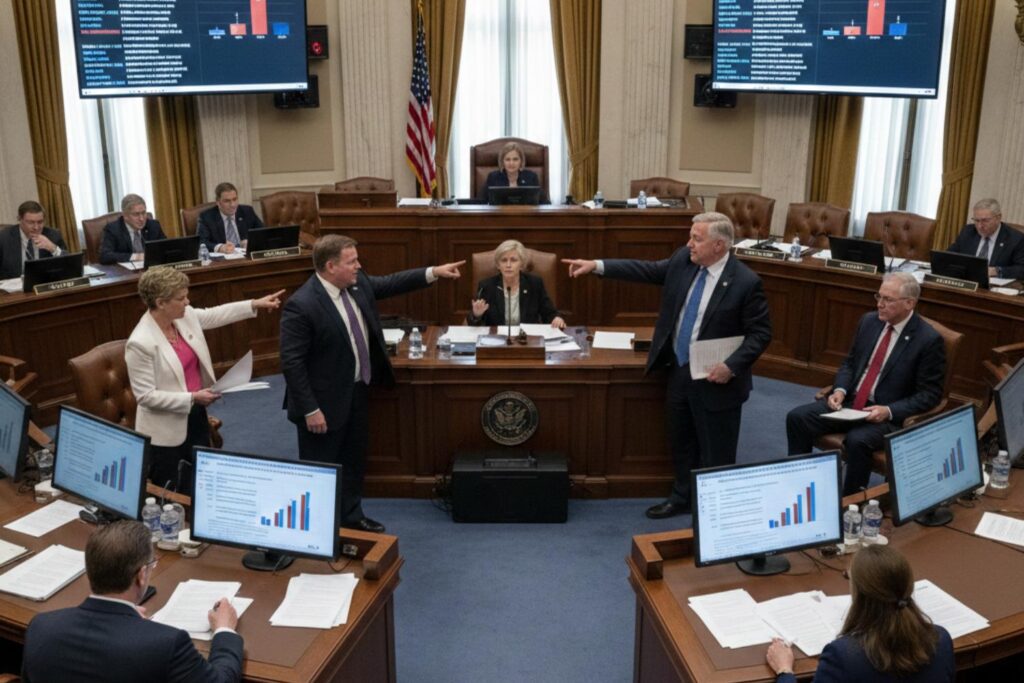
The Department of Homeland Security, responsible for protecting the United States from domestic and international threats, is at the center of a partisan standoff. Lawmakers are divided over funding allocations, agency reforms, and accountability measures.
Some lawmakers demand stricter oversight on DHS operations, particularly regarding immigration enforcement and cybersecurity initiatives. Others argue that withholding funding could undermine national security and delay critical services.

Potential Impacts of a Government Shutdown
If the deadlock continues and a government shutdown occurs, the consequences could be widespread:
- Federal Employees: Hundreds of thousands of federal employees may be furloughed without pay, affecting their livelihoods and morale.
- Public Services: Agencies providing public services, such as passport processing, visa applications, and certain social programs, could slow or halt entirely.
- Economy: A shutdown can disrupt economic activities, delay government contracts, and negatively affect financial markets.
- National Security: Although essential functions continue, long-term shutdowns risk undermining DHS readiness and cybersecurity defense.
Historical Context of Government Shutdowns
The United States has experienced multiple government shutdowns in the past, often triggered by disagreements over budget allocations and political priorities. Notable examples include:
- The 1995–1996 shutdown under President Bill Clinton, caused by a standoff over deficit reduction.
- The 2013 shutdown over the Affordable Care Act.
Each historical shutdown had economic and social consequences, providing a cautionary tale for current lawmakers.
Political Tensions and Negotiations
The deadlock over DHS oversight reflects broader partisan tensions in Congress. Both sides are leveraging funding decisions to push legislative priorities, including:
- Immigration policy reforms
- Cybersecurity funding
- Border security enhancements
Negotiations remain complicated, as any compromise requires balancing fiscal responsibility with operational needs.
Public Reaction and Media Coverage
The looming government shutdown has drawn attention from both media outlets and citizens. Public concern is growing over the potential impact on essential services, federal employees, and economic stability. Social media platforms have seen debates, petitions, and campaigns urging Congress to find common ground.
Media coverage emphasizes the urgency, highlighting the stakes for both government operations and everyday citizens. Analysts warn that continued inaction may damage public trust in federal governance.
What Happens Next?
Congress must act quickly to pass appropriations bills or a continuing resolution to avoid a shutdown. Key steps include:
- Compromise on DHS Oversight: Lawmakers need to reach consensus on funding and accountability measures.
- Bipartisan Cooperation: Cross-party collaboration is essential to ensure timely approval.
- Monitoring Deadlines: Federal agencies and the public closely monitor legislative timelines.
The coming days are critical. A failure to resolve differences could trigger a government shutdown, with immediate and long-lasting consequences for the nation.
Conclusion
The growing threat of a government shutdown amid DHS oversight deadlock underscores the importance of legislative negotiation and compromise. While the stakes are high for federal employees, public services, and national security, effective dialogue and timely action can avert disruptions.
As the situation unfolds, Americans are urged to stay informed about potential impacts and follow updates from reliable government sources.


