Hanging Tree Cattle Dog Temperament, Size, Lifespan & Care Guide


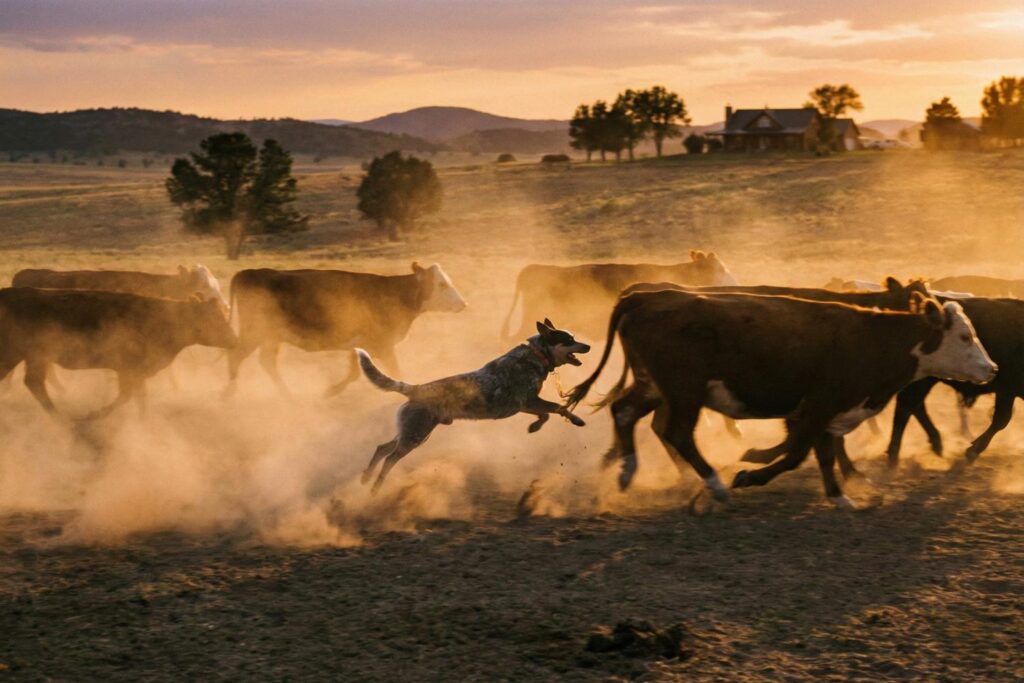
If you’ve ever watched a powerful working dog move cattle with laser focus—swift, confident, and fearless—you already understand the quiet magic behind the hanging tree cattle dog. This isn’t just another ranch dog. It’s a purpose-built athlete, bred for intelligence, grit, and stamina.
In recent years, interest in working breeds has grown far beyond ranching communities. From rural homesteads to suburban properties, more families are exploring high-performance breeds that offer loyalty, intelligence, and unmatched work ethic. But before bringing home a hanging tree cattle dog, it’s important to understand what makes this breed exceptional—and demanding.
This guide dives deep into temperament, size, lifespan, training, health, and care—so you can decide whether this remarkable dog is the right fit for your lifestyle.
The Origins of the Hanging Tree Cattle Dog
Unlike many purebred dogs recognized by kennel clubs, the hanging tree cattle dog is a carefully developed working crossbreed. The foundation bloodlines trace back to four powerhouse breeds:
- Border Collie
- Australian Cattle Dog
- Catahoula Leopard Dog
- Kelpie
The breed was refined by cattleman Gary Ericsson in Texas during the late 20th century. His goal wasn’t to create a show dog—it was to produce the ultimate cattle-working machine. Strength from the Catahoula. Intelligence from the Border Collie. Grit from the Australian Cattle Dog. Endurance from the Kelpie.
The result? A dog that thrives in tough ranch environments where independent thinking and resilience are essential.
Why does this matter today? Because understanding the working roots of this breed explains everything about its temperament, energy level, and care needs.
Hanging Tree Cattle Dog Size & Physical Characteristics
Though not officially standardized, most hanging tree cattle dogs fall within these ranges:
| Trait | Male | Female |
|---|---|---|
| Height | 20–24 inches | 18–22 inches |
| Weight | 45–65 lbs | 35–55 lbs |
| Build | Muscular, athletic | Lean, agile |
| Coat | Short to medium, weather-resistant | Same |
| Colors | Black, blue, red merle, tricolor | Same |
They are compact yet powerful—built for agility rather than bulk. Their strong legs, alert ears, and focused eyes reveal their working instincts immediately.
Unlike heavier livestock guardian breeds, they are designed for movement, not stationary guarding. Think endurance runner, not bodybuilder.

Temperament: Intelligent, Driven, and Intensely Loyal
High Intelligence with Independent Thinking
If there’s one word that defines this breed, it’s drive.
These dogs are problem-solvers. Studies show that working breeds like Border Collies rank among the top in canine intelligence—often capable of learning new commands in fewer than five repetitions. Because hanging tree cattle dogs inherit this cognitive strength, they excel at complex tasks.
However, intelligence without direction can turn into mischief. Without mental stimulation, they may:
- Herd children or other pets
- Develop destructive behaviors
- Bark excessively
- Attempt to escape yards
They are not passive companions—they require purpose.
Loyalty and Protective Instincts
Hanging tree cattle dogs bond deeply with their families. They’re naturally protective without being aggressive when properly socialized.
Early exposure to different people, animals, and environments is critical. When trained correctly, they become confident and steady rather than reactive.
Exercise Needs: Not Your Average Family Dog
A daily walk is not enough.
These dogs were bred to work cattle for hours under harsh conditions. Most require:
- 90–120 minutes of physical activity daily
- Structured tasks (agility, obedience drills, fetch with commands)
- Mental stimulation games
Without sufficient exercise, behavior problems are almost guaranteed.
For readers interested in active lifestyles, this breed pairs well with ranchers, farmers, long-distance hikers, and even competitive dog sport enthusiasts.
Lifespan and Health Considerations
Average Lifespan
The hanging tree cattle dog typically lives 12–16 years, which is impressive for a medium-sized working dog.
Hybrid vigor—the genetic diversity from multiple breeds—can reduce certain inherited health problems. However, potential concerns include:
- Hip dysplasia
- Progressive retinal atrophy
- Deafness (especially in merle-pattern dogs)
- Joint strain from overwork
Routine veterinary checkups, hip evaluations, and genetic testing from reputable breeders reduce risks significantly.
Preventative Care Checklist
- Annual vet exams
- Joint supplements (especially for working dogs)
- High-quality protein-based diet
- Regular dental care
- Weight monitoring
Maintaining lean body condition is crucial. Even 5–7 extra pounds can strain joints over time.
Feeding & Nutrition Guide
These are high-performance dogs. Their caloric needs depend on activity level.
| Activity Level | Daily Calories (Approx.) |
|---|---|
| Light activity | 1,200–1,400 kcal |
| Moderate work | 1,400–1,800 kcal |
| Heavy ranch work | 1,800–2,200+ kcal |
Look for dog food containing:
- 25–30% protein
- Healthy fats (fish oil, chicken fat)
- Glucosamine & chondroitin for joint support
Avoid overfeeding. A visible waistline and palpable ribs indicate healthy condition.
Training: Early Structure Is Everything
Puppy Training Phase (8–16 Weeks)
Start immediately with:
- Basic obedience
- Crate training
- Social exposure
- Recall practice
Hanging tree cattle dogs mature quickly. If boundaries aren’t set early, they may attempt to dominate environments.
Advanced Training & Work
Because of their natural herding drive, many owners channel energy into:
- Agility competitions
- Herding trials
- Advanced obedience
- Search and rescue training
These dogs excel when given a job.
Grooming & Maintenance
Low maintenance compared to long-coated breeds.
- Weekly brushing
- Occasional baths
- Nail trimming every 3–4 weeks
- Regular ear cleaning
They shed moderately year-round and heavier seasonally.
Is a Hanging Tree Cattle Dog Right for You?
Let’s be honest—this is not a low-effort pet.
They are ideal for:
✔ Ranchers & livestock owners
✔ Highly active individuals
✔ Experienced dog owners
✔ Rural property households
They may not be ideal for:
✘ Apartment dwellers
✘ First-time dog owners
✘ Sedentary households
If your lifestyle revolves around activity, structure, and purpose, this breed will thrive with you. If you’re seeking a calm lap companion, look elsewhere.
Comparison With Similar Breeds
| Breed | Energy Level | Herding Drive | Best For |
|---|---|---|---|
| Hanging Tree Cattle Dog | Extremely High | Very Strong | Ranch work |
| Australian Shepherd | High | Strong | Farms & sports |
| Blue Heeler | Very High | Strong | Ranch & active homes |
| Belgian Malinois | Extremely High | Moderate | Law enforcement |
The hanging tree stands out specifically for cattle control efficiency rather than general-purpose protection work.
Internal Linking Suggestions
To strengthen SEO and site engagement on Zevaan, consider linking:
- A guide on Best Working Dog Breeds for Active Owners
- An article about High-Protein Diets for Performance Dogs
- A feature on How Celebrity Ranchers Train Their Working Dogs
- A post on Dog Sports That Boost Mental Stimulation
Internal links should appear naturally within training, nutrition, and comparison sections.
FAQs
1. Are hanging tree cattle dogs good family pets?
Yes—but only for active families who can meet their intense exercise and mental stimulation needs.
2. Do they get along with other dogs?
With early socialization, yes. However, strong herding instincts may cause chasing behavior.
3. How much exercise do they need daily?
At least 90 minutes of structured physical and mental activity. Ranch dogs often require more.
4. Are they aggressive?
Not inherently. They are protective and alert but respond well to firm, consistent training.
5. How much do hanging tree cattle dogs cost?
Prices vary widely depending on breeder and lineage, typically ranging from $500 to $2,000.
Conclusion
The hanging tree cattle dog is not just a breed—it’s a working partner forged from some of the most intelligent and resilient herding lines in the world. Athletic, loyal, and laser-focused, this dog thrives when given purpose.
For the right owner, it offers unmatched devotion and performance. For the unprepared, it can quickly become overwhelming.
Before committing, evaluate your activity level, time availability, and training experience. When matched correctly, this remarkable dog doesn’t just live in your home—it transforms your lifestyle.