Helicopter Crash in Arizona After Aircraft Hits Recreational Slackline, Killing Four
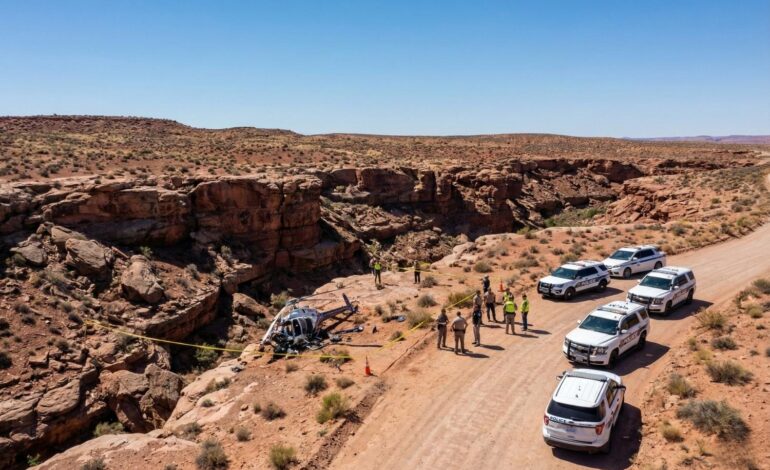

A tragic helicopter crash in Arizona has left four people dead after the aircraft reportedly struck a recreational slackline suspended across a canyon. The incident has shocked aviation experts, outdoor sports communities, and residents across the state. What began as a recreational activity in one of Arizona’s scenic landscapes quickly turned into a deadly disaster, raising urgent questions about airspace safety, recreational hazards, and regulatory oversight.
Authorities are now investigating how a helicopter operating in the area failed to detect the slackline and whether proper safety measures were followed by both the aircraft crew and individuals responsible for installing the line. As details continue to emerge, this helicopter crash highlights the growing risks at the intersection of adventure sports and aviation.
What Happened in the Arizona Helicopter Crash?
According to preliminary reports, the helicopter was flying at a low altitude when it collided with a slackline stretched across a canyon frequently used by recreational climbers and thrill-seekers. The impact caused the aircraft to lose control and crash into the rugged terrain below.
All four occupants on board were pronounced dead at the scene. Emergency services arrived swiftly, but the crash site’s remote location complicated rescue and recovery efforts.
Investigators believe the slackline was difficult to see due to its thin design and natural coloring, which may have blended into the surrounding landscape. This factor is now central to understanding how the helicopter crash occurred.
Understanding Recreational Slacklining
Slacklining is an increasingly popular outdoor activity that involves walking or balancing on a narrow webbing anchored between two points, often across cliffs, canyons, or elevated terrain. While thrilling, the sport carries inherent risks—especially when conducted in areas shared with aircraft traffic.
Many slacklines are installed temporarily and may not be marked with high-visibility materials. In vast desert landscapes like Arizona, such installations can become nearly invisible from the air, increasing the likelihood of aviation accidents.
This helicopter crash has ignited debate about whether stricter guidelines should govern slacklining in areas where helicopters frequently operate.
Why Helicopters Fly Low in Arizona
Helicopters often operate at lower altitudes than fixed-wing aircraft, especially in regions like Arizona. Reasons include:
- Scenic tours over canyons and deserts
- Emergency medical transport
- Search and rescue missions
- Law enforcement patrols
Low-altitude flight increases exposure to unmarked obstacles such as cables, wires, and slacklines. This helicopter crash underscores how even experienced pilots face extreme challenges when navigating visually complex terrain.
Victims and Community Impact
Authorities have not yet released the identities of the victims, pending notification of their families. However, officials confirmed that all four individuals were adults and included both crew members and passengers.
Local communities are mourning the loss, while aviation professionals nationwide are paying close attention to the investigation. The helicopter crash has deeply affected Arizona residents who rely on helicopters for tourism, medical aid, and emergency services.
Investigation Underway: What Authorities Are Examining
Federal and state agencies have launched a comprehensive investigation into the helicopter crash. Key areas of focus include:
- Whether the slackline was legally installed
- If the helicopter had updated terrain and obstacle data
- Pilot visibility and flight path
- Weather conditions at the time of impact
- Possible regulatory gaps
Investigators will also assess whether warning markers or flags were used on the slackline, which could have helped prevent the collision.
Aviation Safety and Invisible Hazards
This helicopter crash has reignited concerns about invisible aerial hazards. Thin lines, cables, and wires are among the most dangerous obstacles for low-flying aircraft. Even with advanced navigation systems, some hazards remain undetectable until it is too late.
Experts argue that improved coordination between aviation authorities and outdoor recreation groups is essential to prevent similar tragedies.
Legal and Regulatory Questions
Arizona law regulates both aviation operations and recreational land use, but incidents like this helicopter crash reveal gray areas. Questions now being raised include:
- Should slacklines require permits in shared airspace areas?
- Should visible markers be mandatory?
- Are pilots given adequate hazard mapping?
Legal experts believe this case could lead to new regulations affecting adventure sports nationwide.
Could This Helicopter Crash Have Been Prevented?
While investigations are ongoing, aviation analysts suggest several preventive measures that may reduce future risks:
- Mandatory high-visibility markers on slacklines
- Improved obstacle databases for pilots
- Public awareness campaigns for recreational groups
- Clearer communication between land managers and aviation authorities
Prevention is key, as helicopter crashes at low altitude often leave little room for recovery.
Impact on Arizona Tourism and Aviation
Arizona’s tourism industry relies heavily on helicopter tours showcasing its iconic landscapes. This helicopter crash could temporarily affect public confidence and lead to stricter operational checks.
Tour operators may face additional scrutiny, while insurance requirements and flight protocols could be updated in response to the incident.
Public Reaction and Media Coverage
News of the helicopter crash spread rapidly across social media and major news outlets. Public reactions range from grief and sympathy to calls for accountability and regulatory reform.
Many are urging authorities to balance recreational freedom with public safety, especially in areas where adventure sports intersect with aviation.
Conclusion
The Arizona helicopter crash that claimed four lives after colliding with a recreational slackline is a sobering reminder of how quickly tragedy can strike when safety systems fail to overlap. As investigations continue, the incident may serve as a turning point for how aviation and outdoor recreation coexist.
Stronger regulations, better communication, and increased awareness could help prevent similar disasters in the future. For now, the focus remains on honoring the victims and ensuring that lessons are learned from this devastating helicopter crash.