How Smart Home Technology Will Change Lives in the Next 10 Years
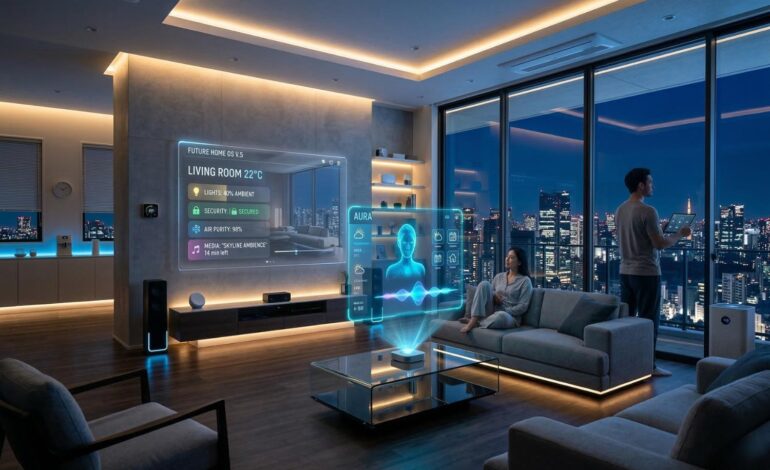

Imagine waking up in the morning and your house already knows what you need. The curtains open slowly as sunlight enters your room, the coffee machine starts brewing automatically, and the thermostat adjusts the temperature to the perfect level before you even step out of bed. This is not science fiction anymore—it’s the reality of modern living.
Over the past decade, smart devices have quietly entered our homes. Voice assistants, smart lighting, intelligent security systems, and connected appliances are now becoming common. But the next ten years will bring something much bigger. The real transformation will not just be about convenience—it will be about how smart home technology will change lives in deeper, more meaningful ways.
From improving safety and health to saving energy and simplifying daily routines, smart homes are evolving into intelligent ecosystems that learn from our habits. As artificial intelligence, automation, and the Internet of Things continue to develop, our homes will become more responsive, efficient, and personalized than ever before.
Let’s explore how smart home technology will change lives in the coming decade and why it could redefine modern living.
The Evolution of Smart Homes
Before looking at the future, it’s important to understand how we arrived here.
The first generation of smart home devices focused mainly on simple automation—smart bulbs that could be controlled through an app or thermostats that could adjust temperature remotely. Today, however, devices are becoming more interconnected.
Smart homes now rely on several key technologies:
- Artificial Intelligence (AI) that learns user behavior
- Internet of Things (IoT) connecting devices to each other
- Cloud computing storing and processing data
- Voice assistants enabling natural communication
These technologies are merging into a single ecosystem where devices communicate automatically without constant human input.
Over the next ten years, this ecosystem will become significantly more advanced.
Smarter Energy Management and Lower Utility Bills
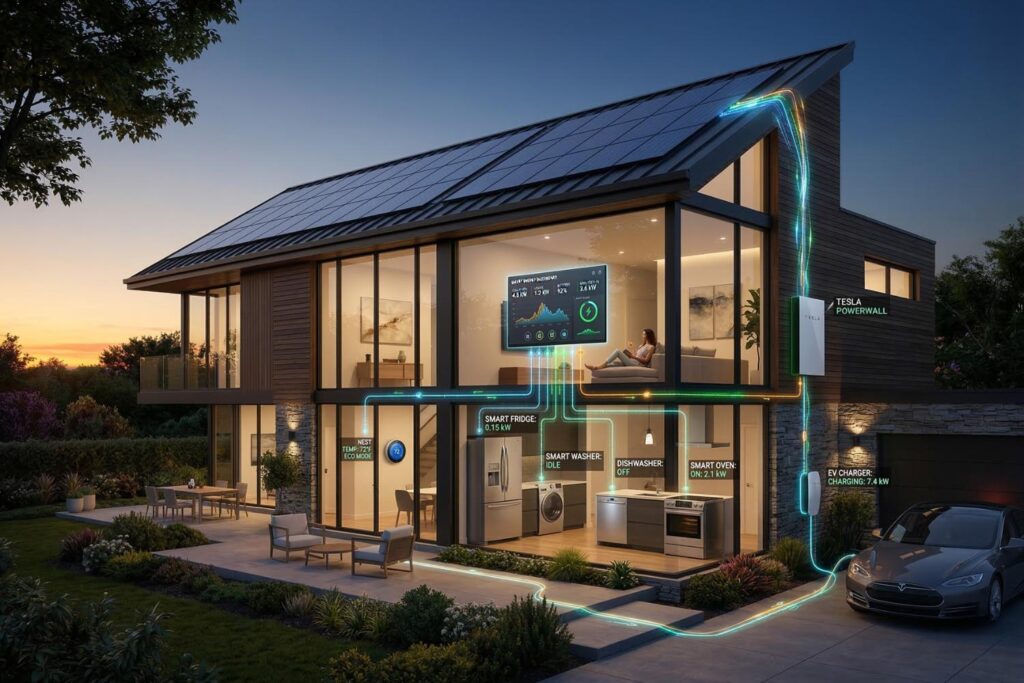
One of the most immediate ways how smart home technology will change lives is through better energy efficiency.
Energy costs continue to rise worldwide, and homes consume a large portion of electricity. Smart systems are designed to reduce waste by automatically managing consumption.
Smart Energy Systems
Future homes will use intelligent systems that monitor energy usage in real time. Instead of manually controlling devices, the house itself will optimize power consumption.
Examples include:
- Thermostats adjusting temperature based on weather forecasts
- Lights turning off automatically when rooms are empty
- Appliances running during cheaper electricity hours
- Solar panels automatically storing excess energy
Estimated Impact on Energy Consumption
| Technology | Potential Energy Savings |
|---|---|
| Smart Thermostats | 10–15% reduction |
| Smart Lighting | 7–10% reduction |
| Automated Appliances | 5–8% reduction |
| Smart Energy Monitoring | 10–12% reduction |
Combined, these technologies could reduce household energy usage by up to 30% in the next decade.
For families, this means lower utility bills and a smaller environmental footprint.
A New Level of Home Security
Security has always been a top priority for homeowners. Traditional alarm systems offered basic protection, but smart homes are transforming security into a proactive system.
AI-Powered Surveillance
Modern security cameras already detect motion, but future systems will go much further.
AI will be able to:
- Recognize familiar faces
- Detect suspicious behavior
- Alert homeowners instantly
- Contact emergency services automatically
Instead of reviewing hours of footage, homeowners will receive only important alerts.
Smart Locks and Access Control
Keys may soon become obsolete.
Smart locks allow:
- Remote door control through smartphones
- Temporary digital keys for guests
- Automatic locking when residents leave
- Entry logs for security tracking
Over time, biometric access—such as fingerprint or facial recognition—will become more common.
These innovations demonstrate another clear example of how smart home technology will change lives, making homes safer and more secure.
Health Monitoring Inside the Home
Perhaps one of the most exciting developments in smart home technology is its potential impact on health.
Homes will soon become active participants in healthcare.
Smart Health Sensors
Future houses may include sensors that monitor:
- Air quality
- Sleep patterns
- Heart rate and movement
- Indoor pollution levels
For example, if air quality drops due to pollution or allergens, the system can automatically activate filtration.
Support for Elderly Residents
Aging populations are a global challenge. Smart homes could allow elderly people to live independently for longer.
Examples include:
- Fall detection systems
- Medication reminders
- Emergency alerts to family members
- Smart lighting that reduces nighttime accidents
Healthcare experts believe smart homes could significantly reduce hospital visits and improve quality of life for older adults.
Fully Automated Daily Living
Convenience is one of the biggest attractions of smart homes, but the future will take automation to a completely new level.
Personalized Home Environments
Instead of manually adjusting settings, homes will automatically adapt to individual preferences.
For example:
- Your preferred lighting when watching movies
- Ideal room temperature for sleeping
- Music playlists triggered by mood or time of day
AI systems will learn routines and adjust environments automatically.
Predictive Automation
The next generation of smart homes will not only respond to commands—they will anticipate needs.
Imagine this scenario:
- Your home detects you are driving back from work
- The air conditioning turns on before you arrive
- Lights activate as you approach the door
- Dinner appliances start preheating
This level of automation shows how deeply how smart home technology will change lives in everyday routines.
Smarter Kitchens and Food Management
The kitchen will also become far more intelligent in the next decade.
AI-Enabled Appliances
Future refrigerators may track food inventory automatically and notify you when items expire.
Smart ovens could:
- Suggest recipes based on ingredients
- Adjust cooking temperatures automatically
- Monitor cooking progress remotely
Grocery Automation
Some smart fridges already allow users to view contents through a phone app.
In the future, they may even reorder groceries automatically when supplies run low.
This will save time and reduce food waste.
Environmental Sustainability and Smart Cities
Smart homes are not just about personal comfort—they also play a role in environmental sustainability.
When millions of homes use intelligent energy systems, the impact becomes global.
Smart Grid Integration
Homes will increasingly connect to smart energy grids that balance electricity supply and demand.
For example:
- Homes may automatically reduce power usage during peak demand
- Electric vehicles may charge when energy is cheapest
- Solar homes may sell excess power back to the grid
This integration will help cities become more energy efficient and sustainable.
Challenges and Concerns
Despite the benefits, smart homes also raise important questions.
Privacy and Data Security
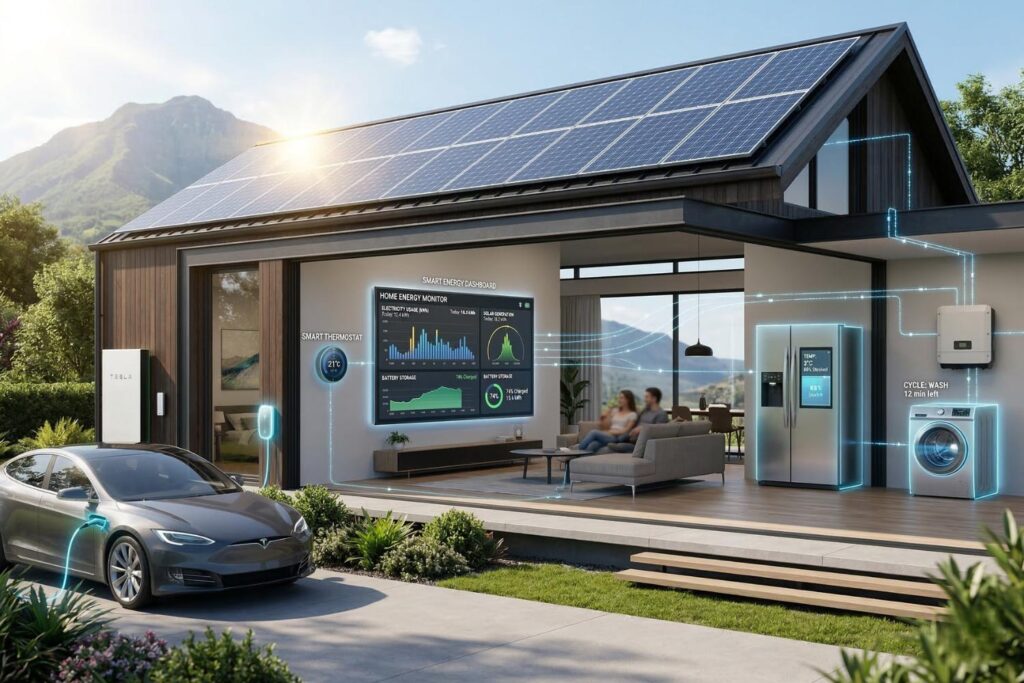
Connected devices collect large amounts of personal data.
Concerns include:
- Data breaches
- Unauthorized device access
- Surveillance risks
Companies will need stronger cybersecurity systems to protect users.
Technology Dependence
Another concern is over-reliance on automation.
If systems fail due to outages or software issues, daily routines could be disrupted.
Balancing convenience with reliability will be critical.
Why the Next 10 Years Will Be Transformational
Experts believe the smart home market will grow rapidly.
Industry reports predict the global smart home market could exceed $500 billion by 2030.
Several trends will drive this growth:
- Faster internet and 5G connectivity
- Lower cost of smart devices
- Advances in artificial intelligence
- Increased demand for energy efficiency
As technology becomes more affordable, smart homes will move from luxury to standard living.
FAQ: Smart Home Technology
1. What is smart home technology?
Smart home technology refers to internet-connected devices that automate and control household systems such as lighting, security, heating, and appliances.
2. Are smart homes expensive?
The cost varies. Basic smart devices like smart bulbs or speakers are affordable, while full home automation systems can be more expensive.
3. Is smart home technology safe?
Most modern devices include strong security features, but users should use strong passwords, update software regularly, and choose trusted brands.
4. Can smart homes reduce energy bills?
Yes. Smart thermostats, lighting systems, and automated appliances can significantly reduce electricity usage.
5. Will smart homes become common in the future?
Yes. As technology becomes cheaper and more advanced, smart home features are expected to become standard in many households.
Conclusion
Smart homes are no longer a futuristic dream—they are rapidly becoming a central part of modern living. Over the next decade, advances in artificial intelligence, connected devices, and automation will transform houses into intelligent environments that actively support daily life.
From saving energy and improving security to enhancing health and convenience, the possibilities are vast. Understanding how smart home technology will change lives helps us see that these innovations are not just about gadgets—they represent a new way of living.
As technology continues to evolve, the homes of the future will do far more than provide shelter. They will think, learn, and adapt to the people who live inside them.