Iran US News: Relations at a Critical Point


The latest iran us news highlights a rapidly shifting relationship between two long-standing geopolitical rivals. Relations between Iran and the United States have once again reached a critical point, shaped by regional conflicts, nuclear concerns, diplomatic breakdowns, and economic sanctions. What happens next will not only affect Tehran and Washington but could also reshape stability across the Middle East and beyond.
For decades, Iran–US relations have been defined by distrust, political pressure, and competing regional interests. Recent developments, however, suggest that tensions are intensifying faster than many analysts expected. From military posturing in the Gulf to renewed debates over Iran’s nuclear program, the stakes are higher than ever.
This article explores the latest iran us news, examining historical roots, current tensions, key flashpoints, and possible future outcomes.
Historical Background of Iran–US Relations
The roots of Iran–US tensions go back more than seven decades. During the Cold War era, the United States supported Iran’s monarchy under Shah Mohammad Reza Pahlavi. This alliance collapsed after the 1979 Iranian Revolution, which transformed Iran into an Islamic Republic and led to the infamous U.S. embassy hostage crisis.
Since then, diplomatic relations have remained frozen. Mutual mistrust deepened through events such as:
- U.S. sanctions on Iran
- Iran’s opposition to U.S. influence in the Middle East
- Conflicts involving Israel, Iraq, Syria, and Lebanon
Understanding this background is essential to interpreting today’s iran us news, as historical grievances continue to shape policy decisions on both sides.
Current State of Iran–US Relations
At present, relations between Iran and the United States are marked by sharp rhetoric, indirect confrontations, and stalled diplomacy. While both sides avoid direct war, their actions increasingly test that boundary.
The United States maintains extensive economic sanctions on Iran, targeting its oil exports, banking system, and military networks. Iran, in response, has strengthened ties with regional allies and expanded its influence through proxy groups.
Recent iran us news reports suggest that communication channels remain limited, with most interactions happening through intermediaries rather than direct talks.
Nuclear Program Tensions

Iran’s nuclear program remains one of the most sensitive issues in bilateral relations. The 2015 Joint Comprehensive Plan of Action (JCPOA) temporarily eased tensions by limiting Iran’s nuclear activities in exchange for sanctions relief.
However, the U.S. withdrawal from the deal in 2018 reignited conflict. Since then:
- Iran has increased uranium enrichment levels
- International inspections have faced restrictions
- Western nations express growing concern
This aspect dominates iran us news coverage, as fears persist that miscalculations could trigger military escalation.
Military Presence and Regional Flashpoints
The Middle East remains a key arena where Iran and the U.S. compete indirectly. The Persian Gulf, Iraq, Syria, and Yemen are hotspots where tensions regularly surface.
U.S. forces maintain a significant presence in the region, citing the need to protect allies and shipping lanes. Iran views this presence as a direct threat to its sovereignty and regional ambitions.
Incidents involving drones, missile strikes, and naval encounters often dominate iran us news headlines, fueling speculation about a broader conflict.
Economic Sanctions and Their Impact
Economic sanctions are one of Washington’s most powerful tools against Tehran. These measures have:
- Reduced Iran’s oil revenues
- Increased inflation and unemployment
- Pressured the national currency
While sanctions aim to force policy changes, Iran argues they harm civilians more than decision-makers. This debate is a recurring theme in iran us news analysis.
Diplomatic Efforts and Backchannel Talks
Despite public hostility, diplomatic efforts have not entirely ceased. Indirect talks facilitated by European and regional intermediaries continue behind closed doors.
These negotiations often focus on:
- Nuclear compliance
- Prisoner exchanges
- Regional de-escalation
However, progress remains fragile, and any breakthrough can quickly unravel due to political pressure on both sides.
Role of Allies and Global Powers
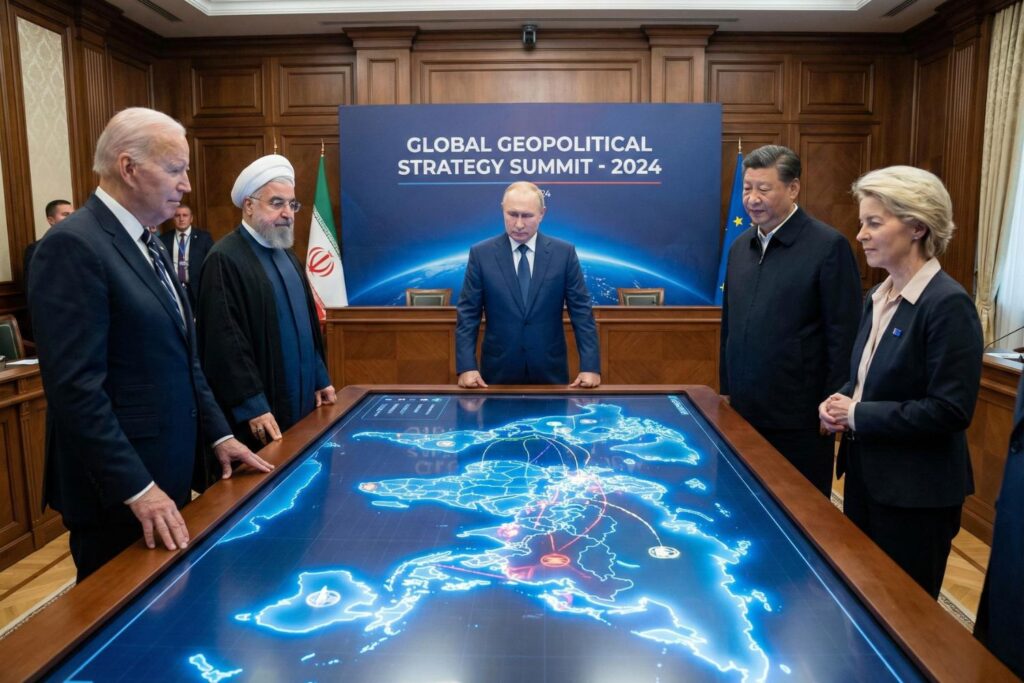
Iran–US relations do not exist in isolation. Global powers like Russia and China have increased cooperation with Iran, while U.S. allies such as Israel and Saudi Arabia strongly oppose Tehran’s regional influence.
European nations attempt to balance diplomacy with security concerns, often urging restraint. This international dimension adds complexity to every iran us news development.
Media Narratives and Public Perception
Media coverage plays a crucial role in shaping public opinion. In the U.S., Iran is often portrayed as a security threat, while Iranian media frames America as an aggressor.
These narratives influence domestic politics and reduce room for compromise, making de-escalation more difficult.
Risks of Escalation
The risk of escalation remains real. A single miscalculation—whether a military strike, cyberattack, or political decision—could spiral into open conflict.
Analysts warn that escalation would:
- Disrupt global energy markets
- Destabilize neighboring countries
- Trigger humanitarian crises
Such concerns dominate expert commentary in iran us news discussions.
Possible Paths Forward
Looking ahead, several scenarios are possible:
- Renewed diplomacy leading to partial agreements
- Continued stalemate with periodic tensions
- Escalation into limited or broader conflict
The direction will depend on political leadership, international pressure, and regional developments.
What This Means for the World
Iran–US relations have global consequences. Energy prices, international security, and diplomatic alliances are all influenced by developments between these two nations.
For policymakers and citizens alike, staying informed about iran us news is essential in understanding future global trends.
Conclusion
The current phase of Iran–US relations represents a defining moment. With high tensions, limited trust, and enormous geopolitical stakes, every decision carries weight.
While conflict is not inevitable, the path to stability requires careful diplomacy, mutual restraint, and international cooperation. As events continue to unfold, iran us news will remain a crucial lens through which the world watches this critical relationship.