


Understanding how to access someone’s insurance details can be crucial after an accident, property damage incident, or legal dispute. Whether you’re dealing with a car crash, a business liability issue, or a personal injury claim, knowing how to perform a liability limits search can help you determine available coverage and protect your legal and financial interests.
In this complete guide, we’ll break down what a liability limits search is, when it’s necessary, the legal methods to obtain insurance details, and what steps you should follow to ensure compliance with privacy laws.
📌 What Is a Liability Limits Search?
A liability limits search refers to the process of determining the maximum amount an insurance policy will pay for a claim. These limits are typically outlined in auto, homeowners, business, or umbrella insurance policies.
For example:
- Auto insurance may have limits like $50,000 per person / $100,000 per accident
- General liability insurance may offer $1 million per occurrence
- Umbrella policies can extend coverage up to several million dollars
A liability limits search is especially important in cases involving:
- Car accidents
- Slip and fall incidents
- Medical malpractice claims
- Business liability disputes
- Personal injury lawsuits
Knowing the policy limits helps determine whether filing a claim or pursuing legal action is financially worthwhile.
⚖️ Is It Legal to Access Someone’s Insurance Details?
Accessing someone’s insurance details must always comply with privacy and data protection laws. You cannot randomly search for someone’s insurance information without a valid legal reason.
However, a liability limits search is typically legal in the following situations:
- After a car accident where you are involved
- During a lawsuit or legal claim
- Through formal discovery in court
- With written authorization
- When required by law enforcement
Always consult a licensed attorney before attempting to access insurance information outside of these circumstances.
🚗 Liability Limits Search After a Car Accident
After a car accident, insurance information exchange is usually mandatory.
In many jurisdictions:
- Drivers must share insurance provider details
- Police reports include insurance company information
- Claims adjusters disclose coverage basics
However, insurance companies do not always disclose full liability limits immediately. Some states require insurers to reveal limits upon written request once a claim is filed.
Steps to Perform a Liability Limits Search After an Accident:
- Request a copy of the police report
- Contact the at-fault party’s insurance company
- Submit a formal demand letter
- Request written confirmation of policy limits
- Consult an attorney if disclosure is refused
🏢 Liability Limits Search for Business Insurance
If a business causes injury or damage, you may need to confirm its liability coverage before pursuing compensation.
Businesses typically carry:
- General liability insurance
- Professional liability insurance
- Commercial auto coverage
- Umbrella policies
To conduct a liability limits search for a business:
- Check contracts (insurance certificates are often attached)
- Request a Certificate of Insurance (COI)
- Search public court filings
- Use legal discovery processes
Large businesses often disclose insurance details during formal claims negotiations.
📝 Using Legal Discovery for Liability Limits Search
If a claim escalates into a lawsuit, the discovery phase allows both parties to request relevant documents.
During discovery, you can:
- Request copies of insurance policies
- Demand disclosure of liability limits
- Subpoena insurance records
- File motions to compel disclosure
Courts generally require defendants to reveal insurance policies if they may satisfy part or all of a judgment.


🔍 Can You Perform a Liability Limits Search Online?
Many people ask if they can search insurance details online like property records. The short answer: usually no.
Insurance policies are private contracts. Unlike business licenses or court judgments, liability limits are not public records.
However, you may find limited information through:
- Court case databases
- Bankruptcy filings
- SEC filings (for public companies)
- Insurance certificates posted in government contracts
Be cautious of websites claiming to provide instant insurance lookups — most are unreliable or illegal.
📑 How Attorneys Conduct a Liability Limits Search
Attorneys use formal and strategic approaches:
- Sending a policy limits demand letter
- Filing suit to trigger disclosure rules
- Using interrogatories and document requests
- Leveraging state-specific disclosure laws
- Negotiating with claims adjusters
In many states, insurers must disclose policy limits if a claimant submits a written request with supporting documentation.
📊 Why a Liability Limits Search Matters
Performing a liability limits search helps you:
- Estimate maximum compensation
- Decide whether to settle or litigate
- Avoid wasting resources on underinsured defendants
- Plan negotiation strategies
- Protect your financial recovery
For example, if medical bills exceed $250,000 but the at-fault party only has $50,000 in coverage, legal strategy changes significantly.
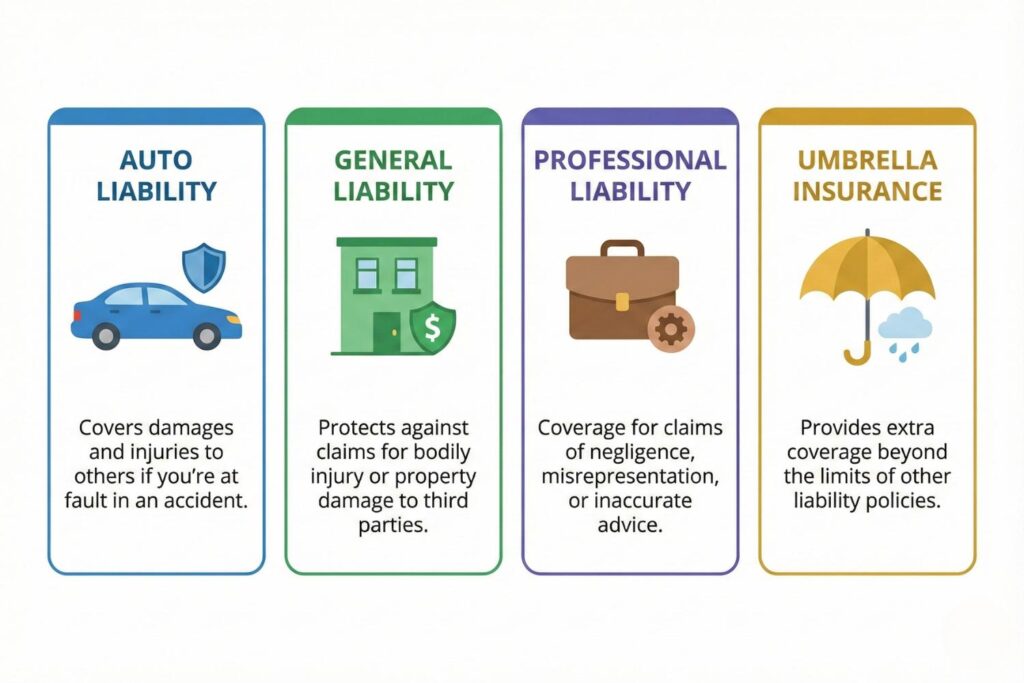
🛡️ Understanding Different Types of Liability Coverage
A liability limits search may reveal different policy types:
1. Auto Liability Insurance
Covers bodily injury and property damage from car accidents.
2. General Liability Insurance
Protects businesses from injury or property damage claims.
3. Professional Liability (Errors & Omissions)
Covers negligence in professional services.
4. Umbrella Insurance
Provides excess coverage beyond standard policies.
Each type has separate limits and may require separate verification.
🧾 What Information Is Required for a Liability Limits Search?
You typically need:
- Full name of insured party
- Date and location of incident
- Police report number (if applicable)
- Claim number
- Insurance company name
Without these details, insurers will not disclose coverage information.
⚠️ Common Challenges in Liability Limits Search
Some common obstacles include:
- Insurance companies delaying disclosure
- Insufficient documentation
- Privacy restrictions
- Underinsured individuals
- Denied claims
Working with legal counsel increases your chances of obtaining accurate information.
🌍 State Laws and Liability Limits Disclosure
Disclosure rules vary by state and country. Some jurisdictions require insurers to disclose policy limits upon request, while others only require disclosure after a lawsuit is filed.
Always research local laws or consult a legal professional to ensure compliance.
💼 When to Hire an Attorney
You should consider legal assistance if:
- Injuries are severe
- Damages exceed $25,000
- Insurer refuses disclosure
- Liability is disputed
- The claim becomes complex
Attorneys often work on contingency, meaning they only get paid if you win.
🔐 Privacy and Ethical Considerations
A liability limits search must never involve:
- Identity theft
- Fraudulent impersonation
- Unauthorized database access
- Illegal background checks
Only lawful methods should be used to access insurance information.
🧠 Strategic Tips for a Successful Liability Limits Search
- Document everything immediately
- File claims promptly
- Communicate in writing
- Keep copies of correspondence
- Seek legal advice early
Being proactive strengthens your negotiating position.
📌 Final Thoughts
A liability limits search is a critical step in evaluating potential compensation after accidents, injuries, or legal disputes. While insurance policies are private documents, legal pathways exist to obtain necessary coverage information when you have a legitimate claim.
Understanding your rights, following proper procedures, and seeking professional guidance can significantly improve your chances of a successful outcome.
If you’re involved in an accident or preparing for legal action, start the process early and ensure you gather all required documentation. Knowing the available liability limits may ultimately determine the success of your claim.


