


The pakistan mulberry tree has quietly gained global attention in recent years—not just among gardeners and farmers, but also within technology-driven agricultural communities. With rising interest in sustainable farming, smart agriculture, and climate-resilient crops, this remarkable fruit tree is becoming a valuable asset for both commercial growers and home gardeners.
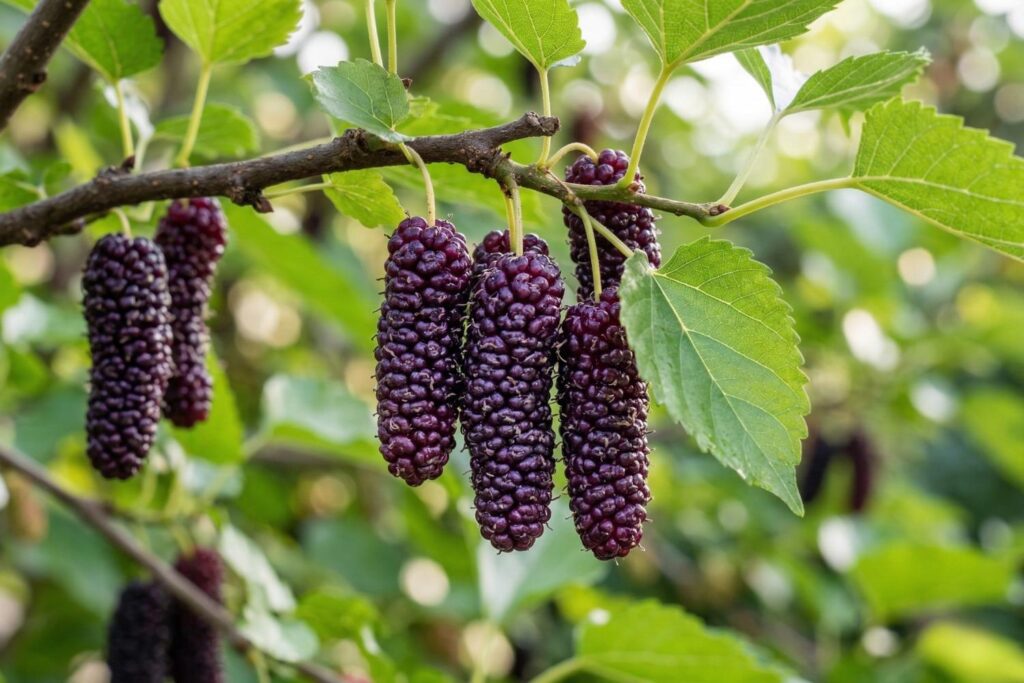
Native to regions of South Asia, particularly Pakistan, this mulberry variety produces some of the longest and sweetest mulberries in the world. The fruit can grow up to 3–4 inches long, making it significantly larger than traditional mulberries. But the appeal of the pakistan mulberry tree goes far beyond its fruit size.
In the era of agricultural technology (AgriTech), mulberry cultivation is evolving through precision irrigation systems, soil monitoring tools, and smart farming techniques. These innovations allow growers to maximize yield, maintain tree health, and reduce environmental impact.
In this guide, we will explore the benefits, uses, and cultivation methods of the pakistan mulberry tree while also examining how modern technology is transforming the way it is grown and managed.
What Is the Pakistan Mulberry Tree?
The pakistan mulberry tree is a fast-growing deciduous fruit tree known for its exceptionally long, sweet berries. Scientifically, it belongs to the Morus genus, which includes several mulberry species cultivated worldwide.
Unlike common mulberry varieties, the Pakistan mulberry produces elongated dark purple or black berries that have a rich, honey-like sweetness.
Key Characteristics
| Feature | Description |
|---|---|
| Scientific Genus | Morus |
| Fruit Length | Up to 4 inches |
| Growth Rate | Fast |
| Climate Preference | Warm temperate to subtropical |
| Harvest Season | Late spring to early summer |
| Tree Height | 20–40 feet |
Because of its adaptability, the pakistan mulberry tree can grow in a wide range of climates, making it attractive to growers across Asia, Europe, and North America.
Why the Pakistan Mulberry Tree Matters Today
Agriculture is increasingly influenced by technology and sustainability challenges. Farmers are searching for crops that offer high yield, strong market demand, and environmental resilience.
The pakistan mulberry tree fits these requirements well for several reasons:
- High productivity per tree
- Low maintenance requirements
- Strong resistance to many pests
- Nutrient-rich fruit with growing demand
Additionally, mulberries play a crucial role in silk production, since mulberry leaves are the primary food source for silkworms. This makes mulberry farming an important part of the global silk industry.
With the rise of AgriTech platforms, farmers can now track soil moisture, automate irrigation, and monitor plant health using smart sensors—improving both yield and profitability.
Nutritional Benefits of Pakistan Mulberries
One of the main reasons the pakistan mulberry tree is gaining popularity is the nutritional power of its fruit.
Mulberries are rich in vitamins, antioxidants, and plant compounds that support overall health.
Nutritional Profile (per 100g)
| Nutrient | Amount |
|---|---|
| Calories | 43 kcal |
| Vitamin C | 36% of daily value |
| Iron | 10% of daily value |
| Fiber | 1.7 g |
| Antioxidants | High |
Key Health Benefits
1. Supports Heart Health
Mulberries contain resveratrol and anthocyanins, antioxidants that help protect the cardiovascular system.
2. Boosts Immune System
High levels of vitamin C strengthen immunity and help fight infections.
3. Supports Blood Sugar Control
Studies suggest mulberries contain compounds that may help regulate blood glucose levels, making them beneficial for metabolic health.
4. Improves Digestive Health
The natural fiber content supports gut health and digestion.
These benefits have contributed to the rising popularity of mulberry-based products such as mulberry tea, supplements, jams, and organic health foods.
Uses of the Pakistan Mulberry Tree
The pakistan mulberry tree is valued not only for its fruit but also for its multiple agricultural and commercial applications.
1. Fresh Fruit Consumption
The berries are extremely sweet and can be eaten fresh. Because of their large size and unique flavor, they are popular in:
- Farmers’ markets
- Organic fruit stores
- Specialty fruit exports
2. Food Products
Mulberries are widely used to create:
- Jams and preserves
- Smoothies and juices
- Desserts and pastries
- Dried mulberry snacks
These products are increasingly popular in health-conscious markets.
3. Silk Industry
Mulberry leaves are essential for silkworm cultivation, making the tree an important resource for silk producers.
4. Herbal Medicine
Traditional medicine systems often use mulberry leaves and fruit extracts for:
- Blood sugar management
- Anti-inflammatory treatments
- Liver health support
5. Smart Farming and AgriTech Research
Agricultural researchers are studying mulberry cultivation through AI-driven crop monitoring systems, which track tree health and growth conditions.
These technologies help farmers optimize fertilization, watering schedules, and disease prevention.
How Technology Is Changing Mulberry Farming

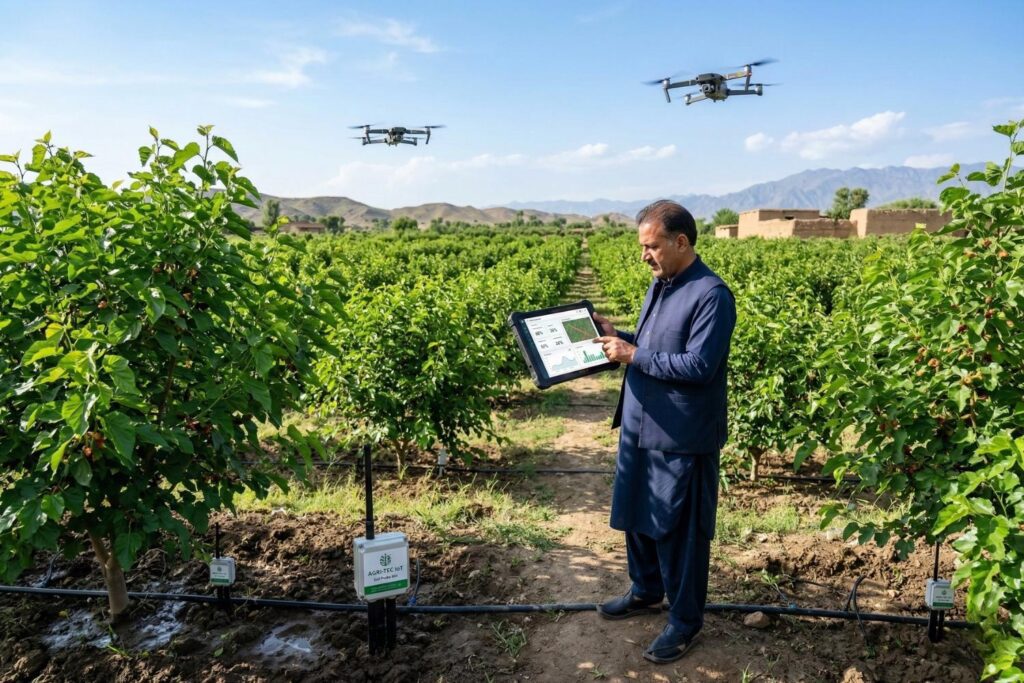
Modern farming methods are transforming the way the pakistan mulberry tree is cultivated.
Smart Irrigation Systems
IoT-enabled irrigation systems measure soil moisture levels and deliver water only when needed.
Benefits include:
- Reduced water waste
- Better fruit quality
- Improved yield
AI-Based Crop Monitoring
Farmers now use drones and AI software to analyze:
- Leaf health
- Pest activity
- Nutrient deficiencies
These tools allow early detection of problems, reducing crop losses.
Data-Driven Farming
AgriTech platforms collect data on:
- Temperature
- Soil pH
- Humidity
Using this information, farmers can create optimized growth environments for mulberry trees.
Growing Guide for the Pakistan Mulberry Tree
Growing a pakistan mulberry tree is relatively easy compared to many fruit crops.
Climate Requirements
Mulberries grow best in:
- Warm climates
- Full sunlight
- Moderate rainfall areas
However, they can tolerate a variety of environmental conditions.
Soil Conditions
Ideal soil characteristics include:
- Well-drained soil
- Slightly acidic to neutral pH (6.0–7.0)
- Rich organic matter
Planting Steps
- Choose a sunny location with good drainage.
- Dig a hole twice the size of the root ball.
- Place the tree carefully and fill with nutrient-rich soil.
- Water thoroughly after planting.
Watering
Young trees require regular watering, while mature trees become fairly drought-tolerant.
Pruning
Pruning helps maintain shape and encourages stronger fruit production.
The best time to prune is during late winter or early spring.
Yield and Production Potential
The pakistan mulberry tree is known for high fruit production.
A mature tree can produce 20–50 kilograms of fruit per season, depending on growing conditions.
Production Comparison
| Tree Type | Average Annual Yield |
|---|---|
| Pakistan Mulberry | 20–50 kg |
| Common Mulberry | 10–25 kg |
| Black Mulberry | 15–30 kg |
This high productivity makes it attractive for small-scale farmers and commercial orchards.
Frequently Asked Questions (FAQ)
1. How long does a pakistan mulberry tree take to produce fruit?
Most trees begin producing fruit within 2–3 years after planting, depending on growing conditions and care.
2. Can the pakistan mulberry tree grow in cold climates?
While it prefers warm climates, the tree can tolerate mild winters. However, severe frost may damage young plants.
3. How big do pakistan mulberry trees grow?
Mature trees can reach 20–40 feet in height, although pruning can keep them smaller for home gardens.
4. Are pakistan mulberries sweeter than regular mulberries?
Yes. The fruit is known for its exceptional sweetness and larger size, which makes it highly desirable.
5. Is the pakistan mulberry tree profitable for farmers?
Yes. Because of its high yield and growing market demand, mulberry farming can be a profitable agricultural venture.
Conclusion
The pakistan mulberry tree is far more than just a fruit tree. It represents a fascinating intersection of agriculture, nutrition, and modern technology. With its high productivity, delicious fruit, and diverse commercial uses, it is becoming increasingly important in sustainable farming systems.
At the same time, advancements in smart agriculture and AgriTech are helping farmers grow mulberries more efficiently than ever before. From AI-driven crop monitoring to precision irrigation systems, technology is unlocking the full potential of this remarkable tree.
Whether you are a home gardener, commercial grower, or simply someone interested in innovative agricultural trends, the pakistan mulberry tree offers a compelling example of how traditional crops can thrive in the technology-driven future of farming.


