


Student loan borrowers in the United States have long faced challenges in managing their debt, and recent developments regarding trump student loans have added new layers of uncertainty. With shifting policies, court decisions, and political debates, many borrowers are unsure about the future of debt relief programs. This article delves into the current state of student loans, the potential impact of changes in policy, and what borrowers can do to navigate these turbulent times.
Understanding Trump Student Loans
The term trump student loans has gained attention in recent years due to discussions around federal student loan policies under former President Donald Trump and ongoing debates about their legacy. While the Trump administration initially made some changes to federal student loan programs, most of the significant developments in student loan forgiveness and relief have occurred in response to later administrations’ initiatives.
Key Features of Trump-era Student Loan Policies
- Revised Borrower Protections: Some borrowers saw changes in forgiveness programs and repayment plans, which impacted eligibility and benefits.
- Loan Servicing Rules: The Trump administration introduced policies affecting how federal loan servicers handle borrowers, including stricter documentation and verification processes.
- Suspension of Certain Forgiveness Programs: Certain student loan forgiveness programs were paused or faced restrictions, causing confusion among borrowers.
These changes set the stage for the complex landscape that borrowers face today.
The Current State of Student Loan Relief
Despite the Trump-era policies, the Biden administration attempted to implement broad student debt relief programs. However, ongoing court challenges and legal debates have delayed or blocked many initiatives. Borrowers who hoped for immediate relief are now left in a state of uncertainty.
Federal Student Loan Suspension
One of the most impactful measures during the pandemic was the temporary suspension of federal student loan payments. Although originally intended to provide short-term relief, the continuation of this suspension has been influenced by legal and political battles, leaving borrowers unsure when repayment will resume.
Debt Forgiveness Programs
Programs like Public Service Loan Forgiveness (PSLF) and targeted loan forgiveness initiatives have been affected by both Trump-era changes and subsequent policy shifts. Eligibility requirements, repayment counts, and forgiveness timelines have all been points of confusion.


Legal Challenges and Court Decisions
The future of student loan relief, particularly related to trump student loans, is heavily influenced by ongoing legal battles. Several lawsuits have challenged the authority of the executive branch to implement widespread debt cancellation, creating delays and adding to borrower anxiety.
Key Legal Developments
- Supreme Court Considerations: Decisions by the Supreme Court could directly impact the feasibility of broad student loan forgiveness programs.
- Federal Court Injunctions: Courts have issued injunctions halting debt relief measures until legal clarity is achieved.
- Impact on Borrowers: Those relying on anticipated forgiveness programs may now need to explore alternative repayment strategies to avoid default.
These legal uncertainties contribute to a climate where borrowers must remain vigilant and informed.
How Borrowers Can Prepare
Given the unpredictable nature of student loan policies, borrowers are encouraged to take proactive steps:
- Stay Informed: Regularly check official announcements from the U.S. Department of Education.
- Review Loan Terms: Understand your loan type, repayment plan, and eligibility for forgiveness.
- Consider Alternative Repayment Plans: Income-driven repayment plans can provide flexibility in case debt relief programs are delayed or blocked.
- Keep Documentation: Accurate records of payments, employment, and program applications may be crucial if legal disputes affect your forgiveness eligibility.
The Economic and Social Implications
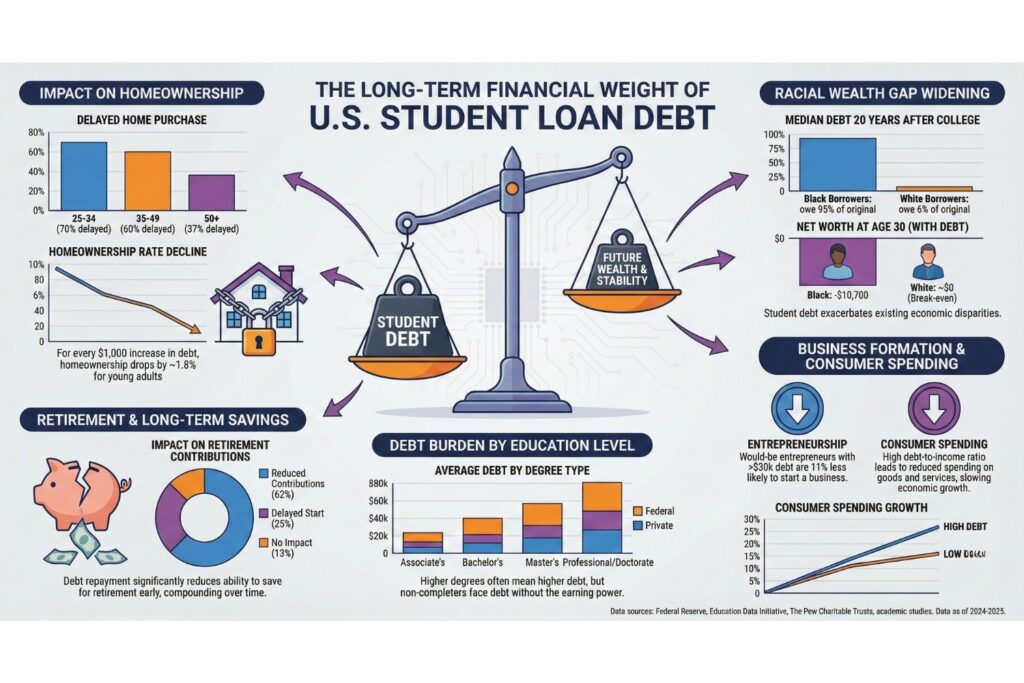
The uncertainty surrounding trump student loans has broader economic consequences. Young borrowers facing long-term debt may delay major life decisions, such as buying homes, starting families, or pursuing entrepreneurial ventures. Moreover, social inequities may be exacerbated, as minority and low-income students are disproportionately affected by student debt burdens.
Experts’ Opinions
Economists and financial analysts argue that resolving the uncertainty in student loan policies is critical for economic stability. Clear guidelines, predictable repayment structures, and transparent communication are essential to help borrowers plan their futures confidently.
Looking Ahead: What to Expect
While debates over trump student loans and broader student debt relief continue, borrowers should anticipate a mix of potential outcomes:
- Gradual Rollback or Adjustment of Policies: Some previous Trump-era policies may be maintained or adjusted to balance fiscal responsibility with relief.
- Targeted Debt Relief Programs: Focused initiatives may emerge for specific groups, such as public service workers, veterans, or students in underrepresented communities.
- Increased Borrower Education: Enhanced guidance from federal agencies can help borrowers understand their options and reduce uncertainty.
Ultimately, staying informed and preparing for multiple scenarios is the best approach for borrowers navigating this uncertain landscape.
Conclusion
The discussion around trump student loans reflects the broader challenges in U.S. student loan policy: a mix of political influence, legal hurdles, and economic considerations. While uncertainty persists, borrowers can take proactive steps to manage their debt responsibly, remain informed about potential policy changes, and explore flexible repayment strategies. By understanding the history, current state, and future possibilities, borrowers can better navigate the complex world of student loans and protect their financial well-being.


