


The political landscape in the United States has once again been shaken by a bold economic proposal from former President Donald Trump. In recent trump tariff news, Trump floated the idea of issuing $2,000 “tariff checks” to American households, funded by revenue generated from increased tariffs on foreign imports, particularly from China. The proposal quickly gained public attention, reigniting debates about trade policy, inflation, and government spending.
However, the plan faced immediate resistance — not from Democrats, but from Republicans themselves. Many GOP leaders openly rejected the proposal, calling it economically risky, inflationary, and inconsistent with conservative fiscal values. This internal disagreement highlights deeper divisions within the Republican Party as the 2024 political climate continues to evolve.
Understanding Trump’s $2,000 Tariff Check Proposal
Donald Trump’s proposal revolves around a simple concept: using tariff revenues to directly benefit American citizens. According to Trump, imposing higher tariffs on imported goods would generate billions of dollars, which could then be redistributed to Americans in the form of $2,000 checks per household.
Trump framed this idea as a way to make foreign countries “pay their fair share” while easing the financial burden on U.S. families struggling with rising costs. He argued that tariffs are not taxes on Americans but rather a tool to protect domestic industries and workers.
Yet economists have long debated this claim. Many experts argue that tariffs often lead to higher prices for consumers, as companies pass increased costs down the supply chain. This fundamental disagreement sits at the heart of why the proposal became so controversial.
Why Republicans Rejected the Proposal
Despite Trump’s popularity among Republican voters, party leaders were quick to distance themselves from the idea. Several Republican lawmakers expressed concern that issuing direct payments resembles stimulus-style spending, something conservatives have traditionally opposed.
Key Republican objections included:
- Fear of increasing inflation
- Concerns about expanding government handouts
- Doubts over the sustainability of tariff revenue
- Risks of trade retaliation from other countries
Many Republicans argued that tariffs function as indirect taxes on consumers, making everyday goods more expensive. From their perspective, sending checks funded by tariffs would only mask the real economic harm caused by higher import costs.
The Inflation Argument: A Major Sticking Point
One of the strongest arguments against Trump’s proposal is inflation. Critics argue that tariffs raise prices on imported goods, which then ripple through the economy. Items such as electronics, vehicles, appliances, and even food products could become more expensive.
Republicans opposing the plan believe that giving Americans $2,000 checks would not solve inflation — it might worsen it. Increased consumer spending without increased production often fuels price hikes, reducing the purchasing power of households over time.
This concern is especially significant as inflation remains a sensitive issue for voters. Any policy that could risk price instability becomes politically dangerous, even within Trump’s own party.


Trade Wars and Global Economic Risks
Another major concern raised by Republicans relates to international trade relations. Higher tariffs, particularly against major trade partners like China, could trigger retaliatory measures. Such actions could harm American exporters, farmers, and manufacturers who rely on foreign markets.
Past trade disputes have shown that tariff wars often escalate quickly. While tariffs may generate short-term revenue, long-term consequences can include supply chain disruptions, reduced exports, and strained diplomatic relations.
In recent trump tariff news, analysts warn that reviving aggressive tariff strategies could destabilize already fragile global trade systems, especially during uncertain economic times.
Trump’s Economic Philosophy vs Republican Orthodoxy
Donald Trump has never fully aligned with traditional Republican economic ideology. While the GOP historically supports free markets and limited government intervention, Trump’s approach blends nationalism with populist economic strategies.
His tariff-focused policies aim to protect American industries, even if that means higher costs in the short term. For Trump supporters, this approach prioritizes sovereignty and domestic production. For traditional Republicans, it represents government overreach.
This philosophical divide explains why the tariff check proposal faced immediate resistance — it conflicts with long-standing conservative economic principles.
Public Reaction and Voter Sentiment
Public reaction to the proposal has been mixed. Some voters welcomed the idea of direct payments, especially amid economic uncertainty. Others questioned whether the checks would truly offset rising prices caused by tariffs.
Polls suggest that while Trump’s base remains loyal, independent and moderate voters are more skeptical. The debate has fueled ongoing discussions about economic responsibility, government intervention, and long-term financial stability.
For many Americans, the issue is less about ideology and more about practical outcomes: will this policy actually improve their lives?
Implications for the 2024 Political Landscape
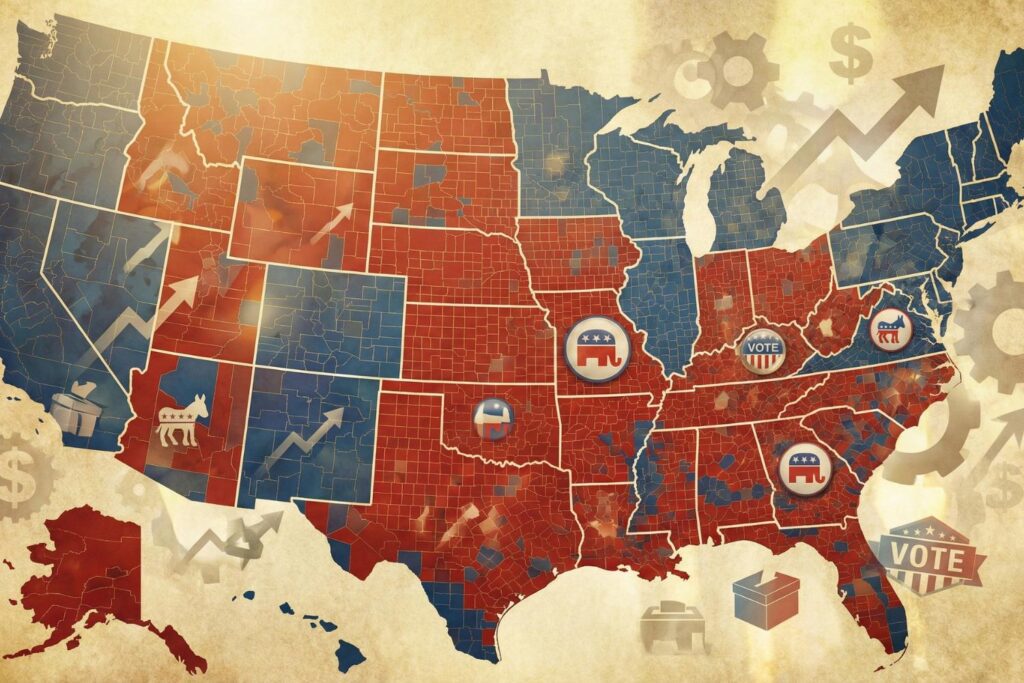
The rejection of Trump’s proposal by Republicans has broader political implications. It exposes fractures within the GOP as the party navigates its identity ahead of future elections.
Trump’s influence remains strong, but resistance from party leaders suggests a growing willingness to challenge his economic ideas. Whether this leads to policy shifts or deeper divisions remains to be seen.
This episode adds another chapter to ongoing trump tariff news, shaping narratives around leadership, economic vision, and party unity.
Conclusion: A Proposal That Sparked More Questions Than Answers
Donald Trump’s $2,000 tariff check proposal was bold, attention-grabbing, and controversial. While it appealed to populist instincts and promised direct financial relief, it failed to gain support within his own party.
Republican rejection highlights serious concerns about inflation, trade consequences, and fiscal responsibility. The debate underscores a larger struggle over the future direction of economic policy in the United States.
As trump tariff news continues to dominate headlines, one thing is clear: tariffs, trade, and economic populism will remain central issues in American political discourse for years to come.


