Understanding Scientology Beliefs: A Complete Overview


Scientology is one of the most discussed and debated modern religions in the world. Founded in the mid-20th century, it presents a unique framework of spiritual beliefs focused on personal growth, self-knowledge, and freedom. To truly understand this movement, it is essential to explore scientology beliefs in detail, separating facts from misconceptions.
This comprehensive guide explains the origins, core principles, practices, and worldview of Scientology in a clear and unbiased way, helping readers gain a well-rounded understanding of what Scientologists believe and why those beliefs matter.
Origins of Scientology
Scientology was founded in 1953 by American author L. Ron Hubbard. Before establishing Scientology as a religion, Hubbard introduced a system known as Dianetics, which focused on mental health and emotional well-being. Dianetics proposed that unresolved traumatic experiences—called engrams—were the root cause of emotional and psychological difficulties.
As the ideas evolved beyond mental wellness into spiritual understanding, Scientology emerged. The Church of Scientology was officially established, presenting a structured belief system addressing the relationship between the mind, body, and spirit.
At its core, Scientology aims to help individuals achieve spiritual clarity and freedom through self-discovery and practical application of its teachings.
The Central Concept: The Thetan
One of the most fundamental aspects of scientology beliefs is the concept of the thetan. In Scientology, a thetan is the true spiritual self of a person—immortal, aware, and capable of unlimited potential.
According to Scientology teachings:
- Humans are not merely physical bodies or minds.
- The body is a temporary vessel.
- The thetan survives beyond physical death.
Life experiences, trauma, and negative thoughts can obscure the thetan’s natural abilities. The goal of Scientology practices is to free the thetan from these limitations, allowing it to regain control and awareness.
The Relationship Between Mind, Body, and Spirit
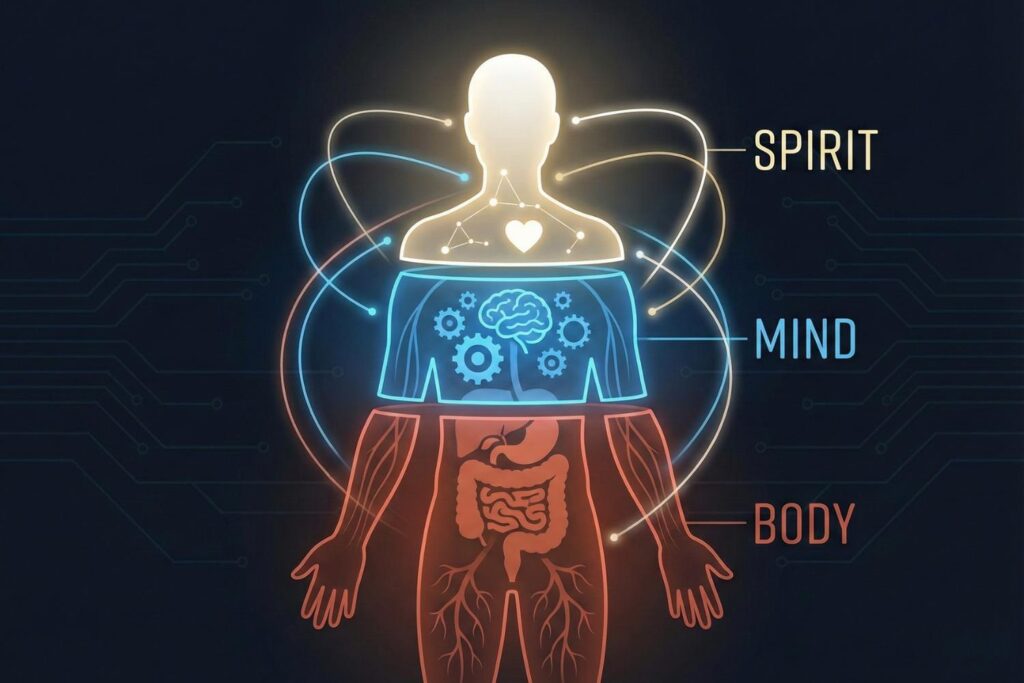
Scientology divides existence into three interconnected components:
- The Body – the physical structure.
- The Mind – the mechanism that records experiences and processes thoughts.
- The Spirit (Thetan) – the true self.
Unlike many traditional religions, Scientology emphasizes understanding and improving the mind as a pathway to spiritual advancement. Mental clarity is considered essential for spiritual freedom, making personal responsibility a key theme throughout Scientology teachings.
The Eight Dynamics of Existence
Another core framework within scientology beliefs is the Eight Dynamics, which describe different urges or drives that motivate life. These dynamics represent areas where individuals seek survival and fulfillment:
- Self – personal survival and identity
- Creativity – family and future generations
- Group – communities and social structures
- Mankind – humanity as a whole
- Life Forms – all living beings
- Physical Universe – matter, energy, space, and time
- Spiritual Beings – other spiritual entities
- Infinity – the Supreme Being or ultimate reality
Progress in Scientology involves improving one’s understanding and responsibility across all eight dynamics, creating harmony between the individual and the universe.
Auditing: A Core Practice
Auditing is one of the most distinctive practices in Scientology. It is a guided spiritual counseling process designed to help individuals confront and resolve past experiences that limit their spiritual growth.
During auditing:
- A trained auditor asks structured questions.
- The individual reflects deeply on experiences and emotions.
- An electronic device called the E-meter measures changes in mental energy.
Auditing aims to remove mental blocks and increase self-awareness. While often misunderstood, Scientologists view auditing as a practical tool for spiritual development rather than therapy or hypnosis.
Levels of Spiritual Advancement
Scientology offers a structured path of progression known as The Bridge to Total Freedom. This path outlines various levels of spiritual awareness, each building on the last.
Key stages include:
- Preclear – an individual beginning spiritual development
- Clear – a state free from reactive mental patterns
- Operating Thetan (OT) – advanced spiritual levels focused on higher awareness and responsibility
Each stage involves learning, auditing, and personal application of principles. The emphasis is on gradual improvement rather than instant enlightenment.

Ethics and Moral Framework
Scientology promotes a strong ethical system centered on honesty, responsibility, and self-discipline. Rather than relying on divine punishment or reward, ethical behavior is seen as a practical necessity for spiritual progress.
Scientologists believe that:
- Ethical living improves personal and social well-being.
- Harmful actions create barriers to spiritual freedom.
- Individuals are responsible for correcting their own mistakes.
This self-accountability approach is a defining feature of scientology beliefs, emphasizing empowerment over dependence.
Views on God and Spiritual Reality
Scientology does not impose a rigid definition of God. Instead, it allows individuals to arrive at their own understanding of a Supreme Being or higher reality.
This flexibility means:
- Scientologists may hold different spiritual interpretations.
- Personal experience is valued over doctrine.
- Faith evolves with spiritual growth.
Because of this openness, Scientology is often described as a religion of applied spiritual philosophy rather than traditional worship.
Scientology and Everyday Life
For followers, Scientology is not limited to church activities. Its principles are applied in daily life, including:
- Improving communication skills
- Enhancing relationships
- Achieving professional and personal goals
Many Scientologists view the religion as a toolkit for navigating life with greater clarity and purpose, rather than a belief system focused solely on the afterlife.
Common Misconceptions About Scientology Beliefs
Public perception of Scientology is often shaped by media portrayals rather than direct understanding. Some common misconceptions include:
- That Scientology is purely secretive
- That members are forced to believe specific ideas
- That it discourages independent thought
In reality, scientology beliefs emphasize personal exploration, study, and experience. Followers are encouraged to question, test, and apply teachings rather than accept them blindly.
Why Scientology Continues to Attract Followers
Despite controversy, Scientology continues to draw interest worldwide. Many people are attracted by:
- Its focus on self-improvement
- Structured spiritual growth
- Emphasis on practical results
For adherents, Scientology offers a sense of control over one’s life and spiritual destiny, appealing to those seeking clarity in a complex world.
Conclusion
Understanding scientology beliefs requires looking beyond headlines and stereotypes. At its foundation, Scientology presents a system focused on spiritual awareness, personal responsibility, and continuous self-development. Whether one agrees with its teachings or not, Scientology remains a significant modern religious movement with a distinct philosophy and global presence.
By exploring its principles objectively, readers can form informed opinions and better understand why Scientology continues to be both influential and controversial in today’s spiritual landscape.