Undress AI Telegram: What It Is, How It Works & Is It Safe in 2026?
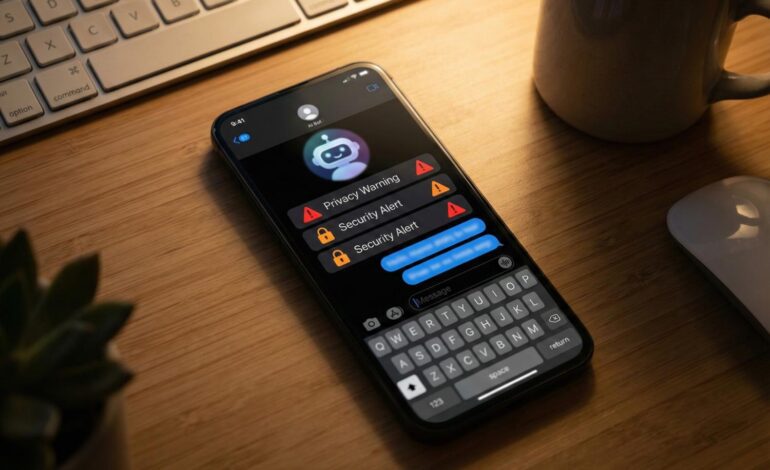

“Undress AI Telegram” refers to AI-powered bots or services hosted on Telegram that claim to digitally remove clothing from images using artificial intelligence.
These bots typically:
- Ask users to upload a photo
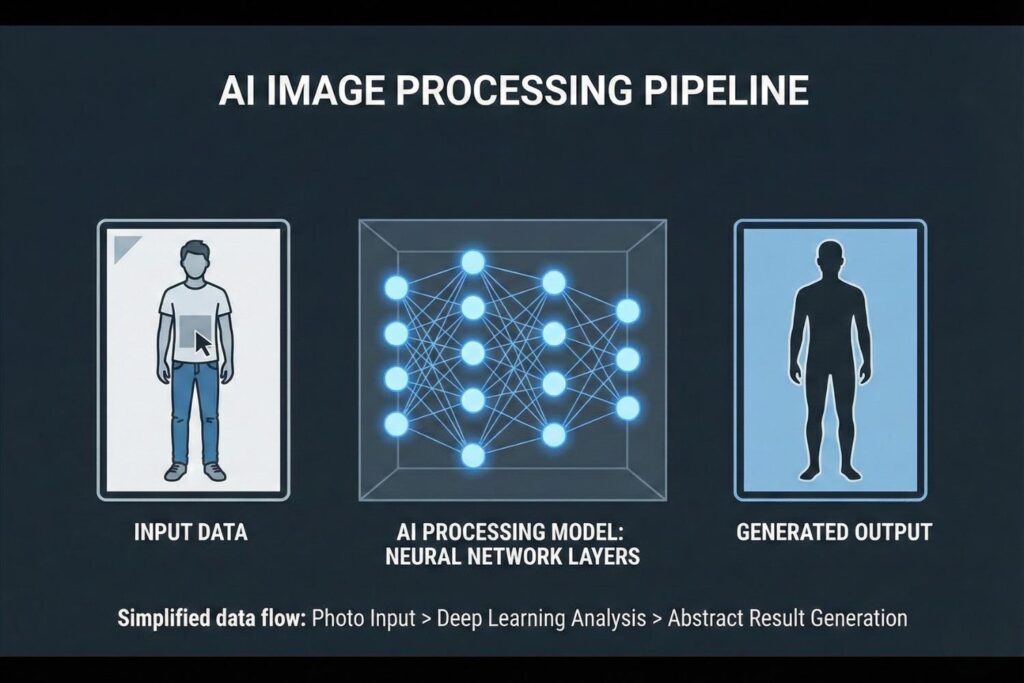
- Process the image using AI algorithms
- Generate a manipulated version of the image
- Send the edited image back through the chat
While many such bots are marketed as “entertainment tools” or “AI experiments,” they are highly controversial due to privacy, consent, and misuse concerns.
In 2026, the search volume for undress ai telegram continues to grow as more AI image models become accessible to the public.
How Does Undress AI Technology Work?
To understand how these bots function, you need to understand a few AI fundamentals.
1️⃣ Deep Learning Models
Most of these tools rely on:
- Generative Adversarial Networks (GANs)
- Diffusion-based image models
- Computer vision algorithms
- Body reconstruction datasets
The AI is trained on large datasets of human body images. It learns patterns about:
- Clothing shapes
- Body contours
- Skin textures
- Lighting conditions
Then, when a user uploads an image, the AI predicts what “might” exist beneath the clothing.
⚠️ Important:
The AI is not “seeing through clothes.” It is generating synthetic imagery based on statistical prediction.
Why Are These Bots Popular on Telegram?
Telegram has become a hub for experimental AI tools because:
- It allows bot integration via API
- It offers relative anonymity
- Channels and bots are easy to distribute
- Moderation can be slower compared to mainstream platforms
Users can find these bots through:
- Public groups
- Search queries
- Shared links
- Private channels
The low barrier to access is one of the key reasons undress ai telegram continues trending in 2026.
Is Undress AI Telegram Safe?
This is where things become serious.
🚨 1. Privacy Risks
When you upload an image to any AI bot:
- The image may be stored on external servers
- It could be reused for training data
- It may not be deleted permanently
- It could potentially be leaked
Most Telegram bots are run by unknown developers. You rarely know:
- Who operates them
- Where the servers are located
- How your data is handled
Uploading personal photos — especially sensitive ones — can pose significant long-term risks.
🚨 2. Data Exploitation
Some bots claim to be “free,” but:
- They may collect user metadata
- They might sell data to third parties
- They may request payment for “premium results”
In some cases, users report receiving spam, phishing links, or cryptocurrency payment demands after using such services.
🚨 3. Malware & Scam Bots
Not all undress ai telegram bots are legitimate AI systems. Many are:
- Fake preview generators
- Payment traps
- Malware distributors
- Account-harvesting bots
Clicking suspicious links can compromise your device or Telegram account.
Is It Legal to Use Undress AI in 2026?
Legality depends heavily on:
- Your country
- Consent of the person in the image
- How the image is used or shared
However, in many jurisdictions:
- Creating manipulated images without consent can violate privacy laws
- Sharing AI-generated explicit images may fall under harassment or defamation laws
- Deepfake misuse is increasingly regulated
In 2026, multiple countries have strengthened digital manipulation and deepfake legislation. Even if the tool exists on Telegram, that does not make it legal or ethical.
The Ethics of AI Clothing Removal Tools
Beyond legality, ethical concerns are even more critical.
❗ Consent Issues
Using someone’s photo without permission to generate altered images is a serious violation of personal boundaries.
Even if:
- The image is publicly available
- The user claims it’s “just a joke”
It can cause emotional, reputational, and psychological harm.
❗ Impact on Victims
AI-manipulated imagery can:
- Damage reputations
- Lead to cyberbullying
- Be used for blackmail
- Cause mental distress
The accessibility of undress ai telegram tools makes misuse easier — which is why awareness is important.
Are These Bots Accurate?
Technically speaking:
- AI predictions are often unrealistic
- Body proportions may be distorted
- Lighting inconsistencies appear
- Faces may glitch or blur
These systems do not create “real” images. They create probabilistic reconstructions.
In 2026, image realism has improved significantly — but it is still artificial generation, not actual image recovery.
How Telegram Responds to These Bots
Telegram periodically removes:
- Reported abusive bots
- Bots violating platform rules
- Services involved in exploitation
However, new bots often appear quickly under different names.
Because Telegram allows independent bot hosting, enforcement can be reactive rather than preventive.
Why Are Searches for “Undress AI Telegram” Increasing in 2026?
Several factors contribute to growing interest:
- Rapid AI advancements
- Viral social media trends
- Curiosity about deepfake technology
- Increased public awareness of generative AI
However, search growth does not mean safe usage.
Many users search simply to understand the technology — not necessarily to use it.
Can These Tools Be Used Responsibly?
In theory, generative AI technology has legitimate applications:
- Fashion design visualization
- Virtual clothing simulation
- Body modeling for art
- Gaming and CGI development
But context matters.
Tools that remove clothing from real people without consent are fundamentally different from professional AI design software used in controlled environments.
How to Protect Yourself from AI Image Misuse
Whether or not you use Telegram bots, protecting your digital identity is critical.
🔐 1. Limit Public Photo Sharing
- Avoid uploading high-resolution personal photos publicly
- Restrict privacy settings on social platforms
- Be cautious about profile visibility
🔐 2. Use Reverse Image Search
If you suspect image misuse:
- Use reverse image search tools
- Monitor suspicious websites
- Report violations immediately
🔐 3. Strengthen Telegram Privacy Settings
Inside Telegram settings:
- Restrict who can see your profile photo
- Limit who can add you to groups
- Enable two-step verification
The Future of Undress AI Telegram in 2026 and Beyond
As AI regulation increases globally:
- Platforms may enforce stricter bot moderation
- Governments may introduce clearer deepfake laws
- AI watermarking could become mandatory
- Detection tools may improve significantly
AI itself is not inherently harmful. The issue lies in misuse and lack of consent.
Should You Use Undress AI Telegram?
Here’s a balanced summary:
| Factor | Risk Level |
|---|---|
| Privacy | High |
| Legal Concerns | Moderate to High |
| Ethical Concerns | Very High |
| Technical Accuracy | Moderate |
| Scam Risk | High |
For most users, the risks outweigh the curiosity.
Final Thoughts
The term undress ai telegram reflects a larger conversation happening in 2026 about AI ethics, privacy, and digital responsibility.
While AI technology continues to evolve at incredible speed, so do concerns about:
- Consent
- Image manipulation
- Online exploitation
- Personal data security
Before interacting with any AI bot on Telegram or elsewhere, ask yourself:
- Do I know who runs this service?
- Is this respectful to others?
- Could this cause harm?
- Is my data protected?
Technology is powerful — but responsibility matters even more.
FAQ: Undress AI Telegram (2026)
❓ Is Undress AI Telegram real?
Yes, various bots claim to offer this functionality, but quality and legitimacy vary widely.
❓ Is it safe to upload personal images?
No online AI bot can guarantee complete privacy unless fully transparent and regulated.
❓ Can I get in legal trouble?
Depending on jurisdiction and consent laws, yes — especially if images are shared.
❓ Are these images real?
No. They are AI-generated predictions, not actual recovered visuals.