How Therapists for Relationship Anxiety Help You Build Healthier, Stress-Free Connections


Relationships are supposed to feel safe, exciting, and fulfilling—but for many people, they come with a constant undercurrent of worry. What if they leave? What if I say the wrong thing? Why do I feel insecure even when everything seems fine?
If these thoughts sound familiar, you’re not alone. Relationship anxiety is more common than most people admit—and it can quietly damage even the strongest bonds. The good news? You don’t have to navigate it alone. Working with therapists for relationship anxiety can transform not just how you love, but how you think, communicate, and trust.
This article explores how specialized therapy helps people break unhealthy patterns, build emotional resilience, and create relationships that feel calm instead of chaotic.
Understanding Relationship Anxiety: More Than Just Overthinking
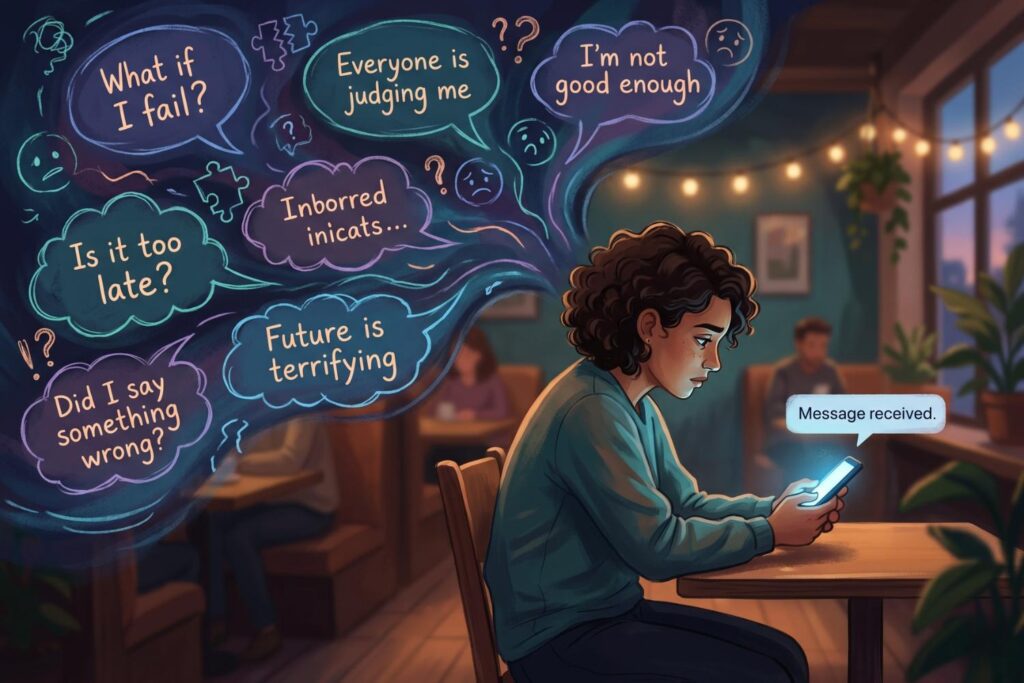
Relationship anxiety isn’t simply “being sensitive” or “thinking too much.” It’s a deeply rooted emotional pattern that often stems from past experiences, attachment styles, or fear of abandonment.
Common Signs of Relationship Anxiety
- Constant need for reassurance
- Fear of rejection or abandonment
- Overanalyzing texts, tone, or behavior
- Difficulty trusting your partner
- Emotional highs and lows tied to relationship status
According to psychological studies, nearly 40–50% of adults exhibit some form of insecure attachment, which directly contributes to relationship anxiety. That means millions of people struggle with these feelings daily—often without realizing it has a name.
Why This Topic Matters More Than Ever
In today’s hyper-connected world, relationships face new pressures:
- Social media comparison
- Instant communication expectations
- Dating app culture and “choice overload”
These factors can amplify insecurity and uncertainty. A simple delayed reply can spiral into anxiety. A partner liking someone’s post might trigger doubt.
This is where therapists for relationship anxiety play a crucial role—helping individuals separate reality from fear and build emotional stability in a fast-paced digital environment.
What Do Therapists for Relationship Anxiety Actually Do?
Therapists don’t just “listen”—they provide structured, evidence-based tools to rewire how you think and respond in relationships.
1. Identifying Root Causes
Most relationship anxiety doesn’t start in your current relationship—it begins much earlier.
Therapists help uncover:
- Childhood attachment patterns
- Past relationship trauma
- Fear of abandonment or rejection
- Self-worth issues
Understanding the why behind your anxiety is the first step toward healing.
2. Reframing Negative Thought Patterns
People with relationship anxiety often fall into cognitive traps:
- “If they don’t reply, they don’t care.”
- “If we argue, the relationship is doomed.”
Therapists use techniques like Cognitive Behavioral Therapy (CBT) to challenge and replace these thoughts with realistic ones.
| Negative Thought | Reframed Perspective |
|---|---|
| “They’re ignoring me” | “They might be busy” |
| “I’m not enough” | “I bring value to this relationship” |
| “This will end badly” | “I can handle whatever happens” |
3. Building Secure Attachment
Attachment theory plays a huge role in relationships. Therapists help individuals shift from anxious or avoidant patterns to a secure attachment style.
This includes:
- Developing emotional independence
- Reducing reliance on constant validation
- Building trust gradually
The Real Benefits of Therapy for Relationship Anxiety

Working with therapists for relationship anxiety doesn’t just improve your romantic life—it transforms your overall well-being.
Emotional Stability
You stop reacting impulsively and start responding thoughtfully. Emotional highs and lows become more manageable.
Healthier Communication
Instead of bottling things up or overreacting, you learn how to express needs clearly and calmly.
Stronger Self-Worth
Therapy shifts your focus from “Do they love me?” to “Do I value myself?”
Therapy vs. Self-Help: What’s the Difference?
While self-help books and online advice can be useful, therapy offers personalized guidance that generic content cannot match.
| Aspect | Self-Help | Therapy |
|---|---|---|
| Personalization | General advice | Tailored strategies |
| Accountability | Low | High |
| Emotional Support | Limited | Professional support |
| Depth of Healing | Surface-level | Deep, lasting change |
Self-help might help you cope, but therapy helps you transform.
How Therapy Improves Real-Life Relationships
Let’s break this down into real-world scenarios.
Scenario 1: Constant Overthinking
Before therapy:
You reread messages, analyze tone, and assume the worst.
After therapy:
You pause, evaluate facts, and avoid jumping to conclusions.
Scenario 2: Fear of Abandonment
Before therapy:
You cling too tightly or push people away.
After therapy:
You develop confidence and allow relationships to grow naturally.
Scenario 3: Conflict Anxiety
Before therapy:
Arguments feel like the end of the relationship.
After therapy:
You see conflict as a normal and healthy part of connection.
What Happens in a Typical Session?
Many people hesitate to seek therapy because they don’t know what to expect.
A typical session may include:
- Talking about recent relationship experiences
- Identifying emotional triggers
- Practicing communication techniques
- Setting small, achievable goals
Over time, these sessions create noticeable changes in how you think and behave.
Choosing the Right Therapist
Not all therapists specialize in relationship anxiety, so finding the right fit is essential.
What to Look For:
- Experience in relationship or attachment issues
- Use of evidence-based approaches (CBT, EFT, etc.)
- Comfortable communication style
- Positive client reviews or recommendations
Questions to Ask:
- Have you worked with relationship anxiety before?
- What approach do you use?
- How long does therapy typically take?
The Long-Term Impact: Beyond Just Relationships
The benefits of working with therapists for relationship anxiety extend far beyond dating or marriage.
Career Growth
Improved emotional regulation leads to better decision-making and workplace relationships.
Social Confidence
You feel more secure in friendships and social interactions.
Mental Health
Reduced anxiety levels improve overall happiness and quality of life.
FAQs
1. What is relationship anxiety?
Relationship anxiety is a pattern of excessive worry, fear, or insecurity within romantic relationships, often linked to attachment styles or past experiences.
2. Can therapy really fix relationship anxiety?
Yes, therapy provides tools to identify triggers, change thought patterns, and build emotional stability, leading to healthier relationships.
3. How long does it take to see results?
Many people notice improvements within a few weeks, but lasting change typically takes a few months of consistent sessions.
4. Do I need to be in a relationship to seek therapy?
No. Therapy can help you prepare for future relationships and address underlying issues even if you’re single.
5. Is relationship anxiety common?
Yes, it’s very common—especially in today’s fast-paced, digital dating environment.
Conclusion
Relationship anxiety can quietly undermine even the most promising connections—but it doesn’t have to define your love life. With the guidance of therapists for relationship anxiety, you can break free from fear-driven patterns and build relationships grounded in trust, clarity, and emotional balance.
The goal isn’t perfection—it’s peace. And with the right support, that peace is entirely within reach.