What Is Alpaka? A Complete Guide to Alpaka Wool, Lifestyle, and This Unique Animal
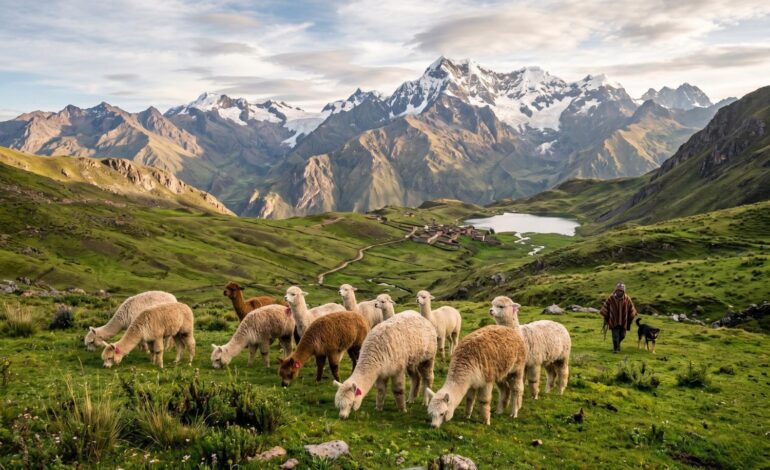

At first glance, the alpaka looks like something out of a children’s storybook—soft, wide-eyed, and almost unreal in its charm. But behind that gentle appearance lies an animal with deep historical roots, economic importance, and a growing global influence in fashion and sustainable living.
In recent years, alpaka wool has surged in popularity, appearing in luxury clothing lines, eco-conscious brands, and even celebrity wardrobes. At the same time, interest in alpaka farming and lifestyle has expanded far beyond its traditional home in South America.
So what exactly is an alpaka? Why is its wool so valuable? And how has this animal quietly become a symbol of sustainability and premium living?
Let’s explore.
What Is an Alpaka?
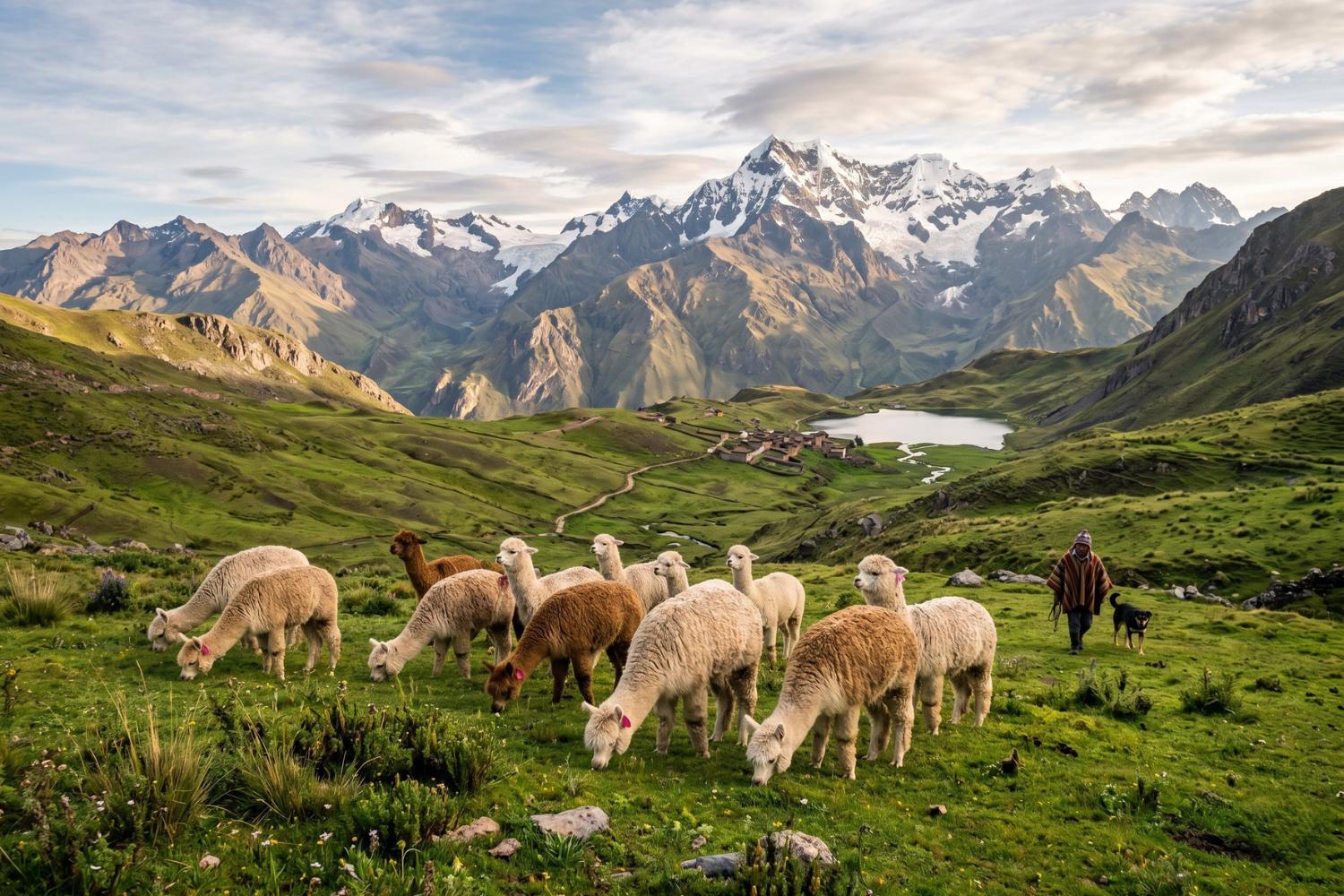
An alpaka is a domesticated species of South American camelid, closely related to llamas. Native to the Andes Mountains—primarily Peru, Bolivia, and Chile—alpaka have been bred for thousands of years for their exceptionally soft and durable fleece.
Key Characteristics
- Height: Around 3 feet at the shoulder
- Weight: 50–80 kg (110–175 lbs)
- Lifespan: 15–20 years
- Diet: Grass, hay, and natural vegetation
- Temperament: Calm, social, and intelligent
Unlike llamas, which were primarily used as pack animals, alpaka are bred almost exclusively for their fiber.
A Brief History of Alpaka
Alpaka have a rich cultural and economic history that dates back over 6,000 years. Ancient Andean civilizations, including the Inca Empire, considered alpaka fiber to be “the fiber of the gods.”
Only royalty and elite members of society were allowed to wear alpaka garments, which were prized for their softness, warmth, and rarity.
After the Spanish conquest, alpaka populations declined, but in modern times, they have made a strong comeback. Today, Peru produces over 70% of the world’s alpaka fiber.
Why Alpaka Wool Is So Valuable
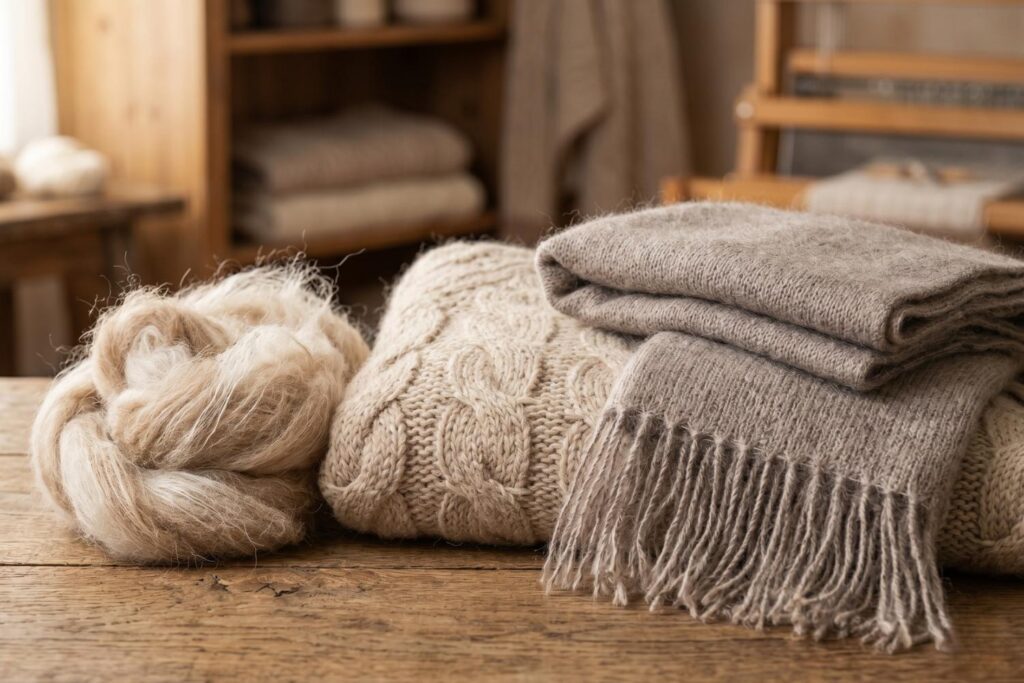
Alpaka wool isn’t just another textile—it’s often compared to cashmere and merino wool, but with unique advantages that set it apart.
Key Benefits of Alpaka Wool
1. Exceptional Softness
Alpaka fibers are incredibly fine, making them softer than traditional sheep’s wool and comparable to cashmere.
2. Hypoallergenic Properties
Unlike sheep wool, alpaka fiber contains no lanolin, making it ideal for people with sensitive skin.
3. Superior Warmth
Alpaka fibers are hollow, providing excellent insulation while remaining lightweight.
4. Durability
It’s stronger and more resistant to wear than many other natural fibers.
5. Eco-Friendly
Alpaka farming has a low environmental impact, requiring less water and causing minimal damage to grazing land.
Alpaka Wool vs Other Fibers
Here’s how alpaka wool compares to other popular materials:
| Feature | Alpaka Wool | Sheep Wool | Cashmere |
|---|---|---|---|
| Softness | Very High | Medium | Very High |
| Warmth | Excellent | Good | Excellent |
| Hypoallergenic | Yes | No | Yes |
| Durability | High | Medium | Low |
| Cost | Moderate–High | Low–Moderate | High |
This balance of luxury and practicality is a major reason why alpaka products are gaining global demand.
Types of Alpaka Fiber
Not all alpaka are the same. There are two main breeds, each producing a different type of fiber:
Huacaya Alpaka
- Fluffy, crimped fleece
- Similar to sheep wool
- Most common (about 90% of alpaka population)
Suri Alpaka
- Long, silky fibers that hang in locks
- Shiny and smooth texture
- Rarer and often more expensive
Both types are used in clothing, but Suri fiber is typically reserved for high-end fashion.
The Alpaka Lifestyle: Farming and Business
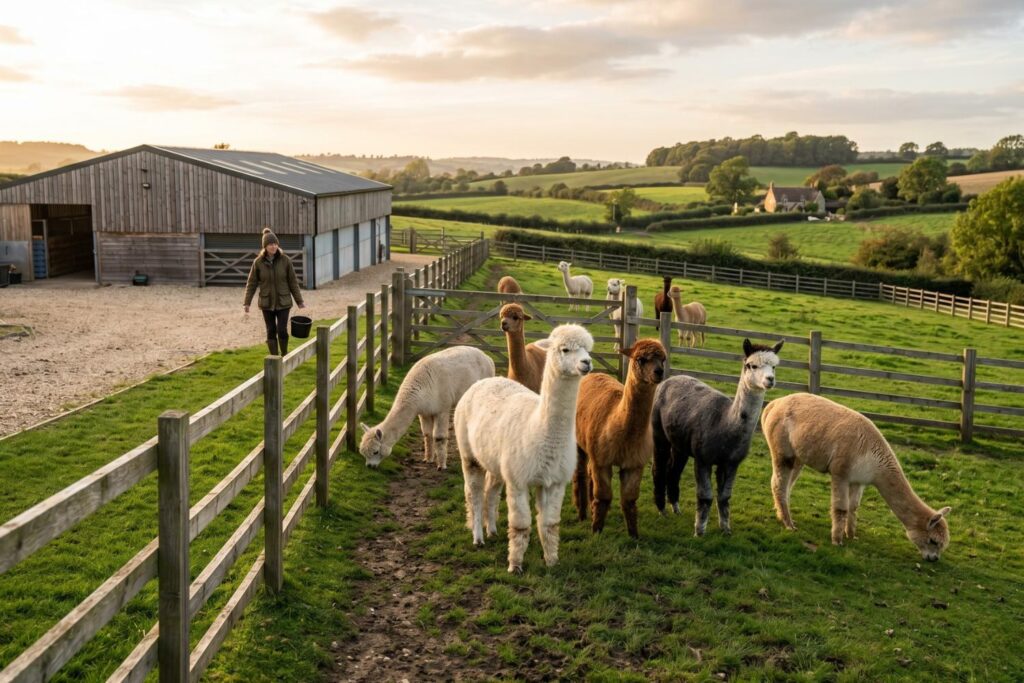
Beyond fashion, alpaka have become part of a broader lifestyle movement—especially among those interested in sustainable agriculture and niche farming.
Why People Are Investing in Alpaka Farming
- Low maintenance animals
- Minimal environmental impact
- High-value fiber production
- Growing global demand
In countries like the United States, Australia, and the UK, alpaka farms are increasingly popular as boutique businesses and agritourism destinations.
Economic Potential
A single alpaka can produce 2–4 kg of fiber per year. Depending on quality, this fiber can fetch premium prices in international markets.
Additionally, alpaka-related income streams include:
- Breeding services
- Farm visits and tourism
- Selling yarn and finished products
Alpaka in Fashion and Pop Culture
Alpaka wool has quietly made its way into the wardrobes of high-end designers and eco-conscious brands.
Luxury fashion houses are turning to alpaka as a sustainable alternative to cashmere, while smaller brands highlight its ethical sourcing and durability.
Celebrities and influencers have also contributed to its rise, often promoting alpaka-based clothing as part of a sustainable lifestyle.
Sustainability: Why Alpaka Matter Today
In a world increasingly focused on sustainability, alpaka stand out as an environmentally responsible choice.
Environmental Advantages
- Soft padded feet that don’t damage soil
- Efficient grazing habits that preserve vegetation
- Lower water consumption compared to sheep
- Biodegradable fiber
Compared to synthetic fabrics, alpaka wool offers a natural, renewable alternative without contributing to microplastic pollution.
Health and Wellness Benefits
Alpaka wool isn’t just about luxury—it also offers practical benefits:
- Temperature regulation: Keeps you warm in winter and cool in summer
- Moisture-wicking: Keeps skin dry
- Odor resistance: Requires less frequent washing
These qualities make alpaka clothing ideal for active lifestyles, travel, and even sportswear.
How to Identify Genuine Alpaka Products
With growing demand, not all products labeled “alpaka” are authentic.
What to Look For
- Clear labeling (100% alpaka or alpaka blend)
- Soft but slightly firm texture
- Lightweight yet warm feel
- Reputable brands or certifications
FAQs About Alpaka
1. Is alpaka wool better than sheep wool?
Yes, in many ways. Alpaka wool is softer, warmer, and hypoallergenic compared to traditional sheep wool.
2. Are alpaka difficult to take care of?
No, alpaka are relatively low-maintenance animals. They require basic care, proper nutrition, and regular shearing.
3. Why is alpaka wool expensive?
Its high quality, durability, and limited supply make alpaka wool more valuable than many other fibers.
4. Can alpaka survive outside South America?
Yes, alpaka are now raised worldwide, including in North America, Europe, and Australia.
5. Is alpaka farming profitable?
It can be, especially when combined with tourism, breeding, and product sales.
Conclusion: Why Alpaka Deserve the Spotlight
The alpaka is far more than a charming animal—it’s a cornerstone of sustainable fashion, a promising agricultural investment, and a symbol of eco-conscious living.
From ancient Andean traditions to modern global markets, alpaka continue to prove their value in ways that go beyond appearance. Their fiber offers a rare combination of luxury, performance, and sustainability—something increasingly important in today’s world.
Whether you’re interested in fashion, business, or simply learning something new, alpaka are worth paying attention to.