Mexico Migrant Caravan Tapachula: Shifting Goals as Fewer Migrants Head Toward US Border
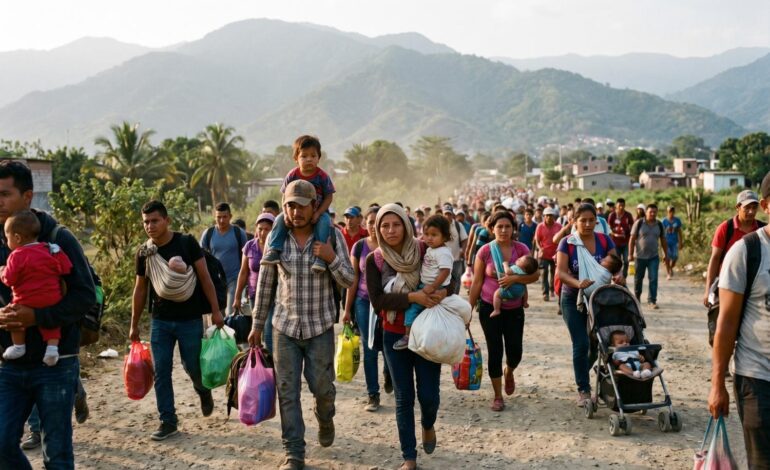

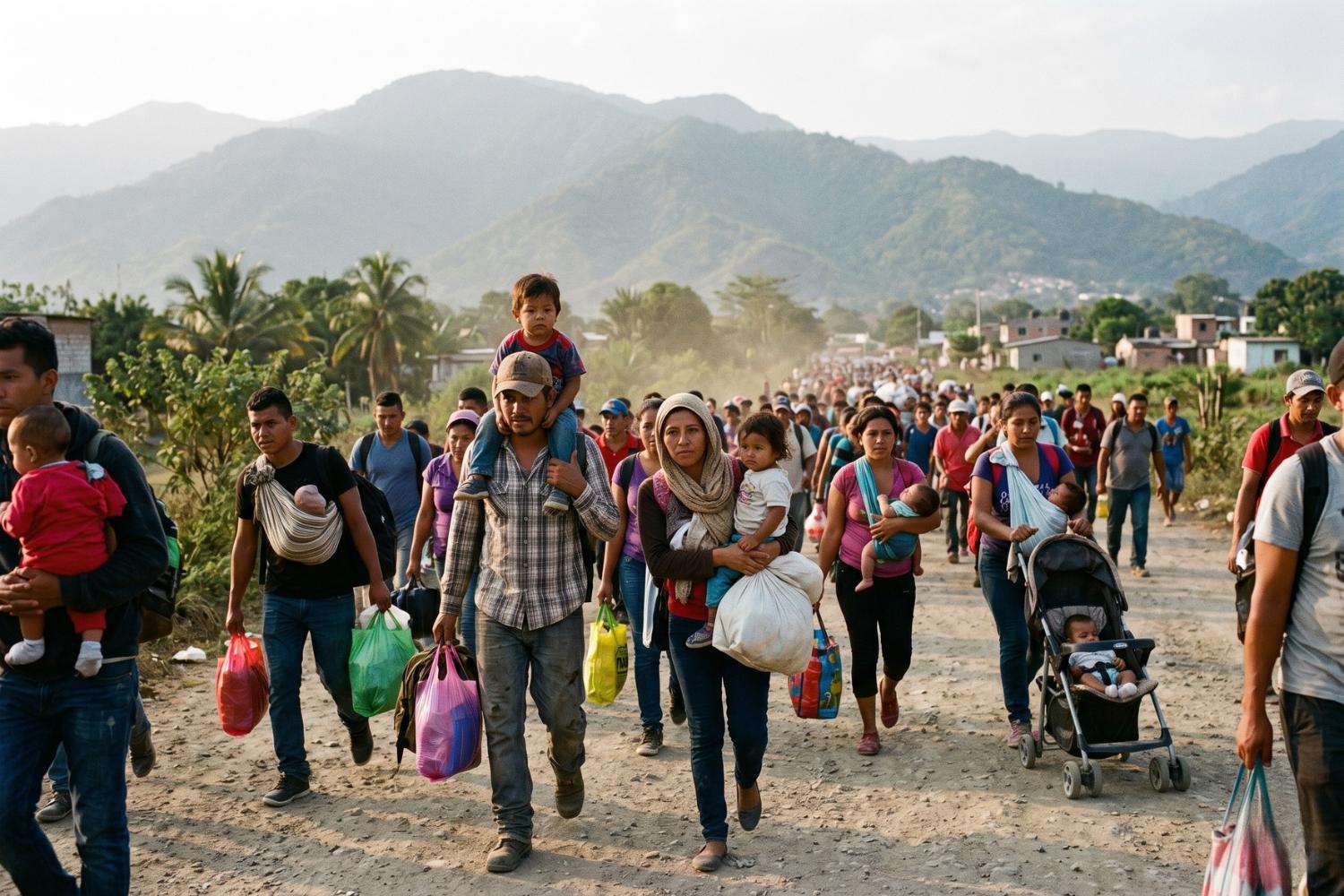
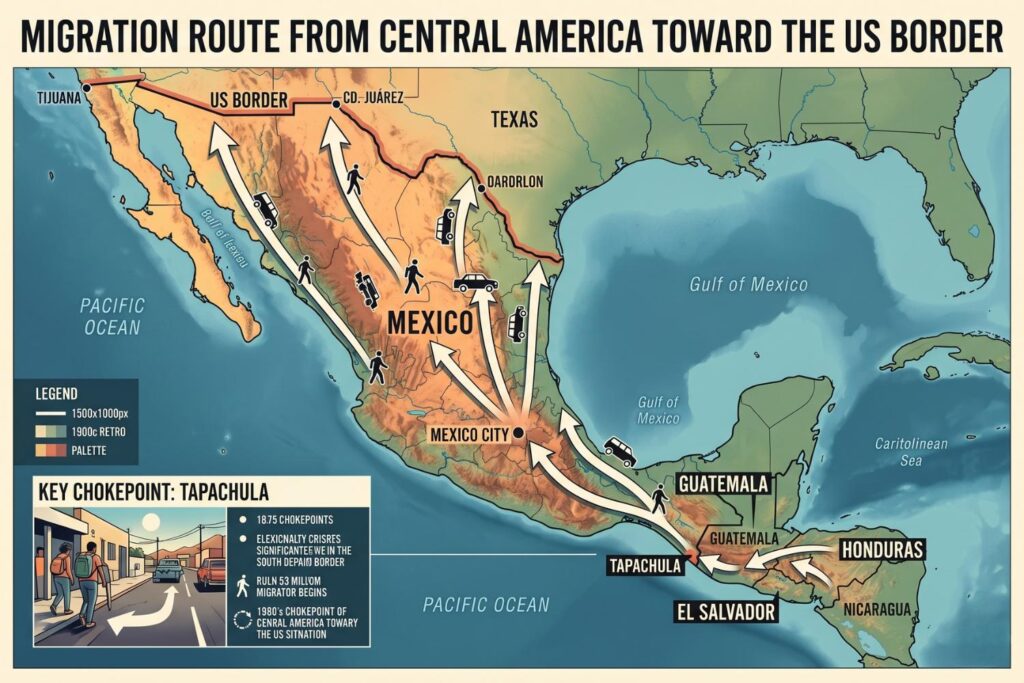
For years, migrant caravans moving through southern Mexico captured global attention. Large groups of people—families, workers, and asylum seekers—would gather in cities like Tapachula and begin a long, uncertain journey north toward the United States–Mexico border. The destination was clear: the United States.
But something has changed.
The mexico migrant caravan tapachula story today is not just about movement—it’s about transformation. Fewer migrants are aiming for the U.S. border. Instead, many are adjusting their goals, choosing to stay in Mexico, seek legal status, or simply survive day-to-day.
This shift isn’t random. It reflects deeper changes in migration policies, economic realities, and human decision-making. And if you look closely, you’ll see that this isn’t just a migration story—it’s a story about adaptation.
The Role of Tapachula: Gateway to Uncertainty
Located near Mexico’s southern border with Guatemala, Tapachula has become a critical hub in migration routes. It’s not just a stopover—it’s often where journeys pause, stall, or completely change direction.
Migrants arrive here with hope, but what they encounter is far more complex:
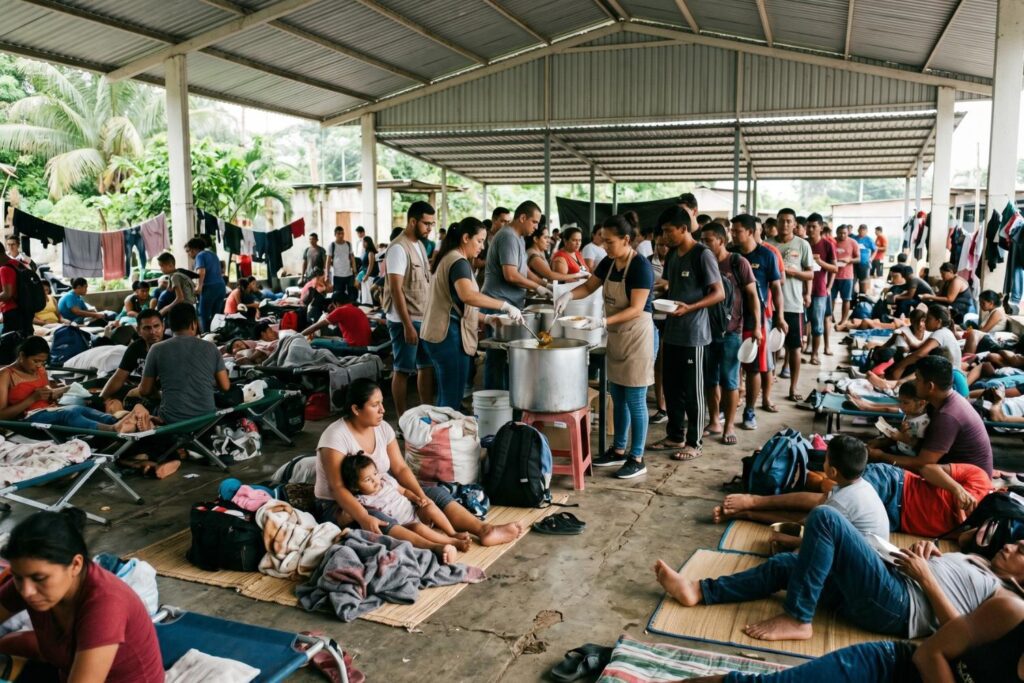
- Overcrowded shelters
- Long immigration processing delays
- Limited job opportunities
- Increasing enforcement restrictions
Many migrants expect to stay briefly. Instead, they remain for months—or longer.
A City Under Pressure
Tapachula wasn’t designed to handle tens of thousands of migrants at once. Local infrastructure struggles to keep up, and humanitarian organizations are often overwhelmed.
This creates a bottleneck effect.
Instead of continuing north, migrants are forced to reconsider their options.
Why Fewer Migrants Are Heading to the U.S. Border
The idea that every migrant caravan is heading to the United States is no longer accurate. Several factors are reshaping that reality.
1. Stricter U.S. Immigration Policies
Over the past decade, U.S. border enforcement has intensified. Policies have made it harder to:
- Apply for asylum at the border
- Enter without documentation
- Remain in the U.S. while cases are processed
Programs requiring migrants to wait in Mexico have changed the risk-reward balance. Many now see the journey north as less certain—and more dangerous.
2. Mexico’s Increased Enforcement
Mexico has also stepped up its immigration controls, especially in southern regions like Chiapas.
Checkpoints, patrols, and detention risks have increased. This makes moving north more difficult and more expensive.
For migrants with limited resources, continuing the journey becomes unrealistic.
3. Economic Realities
Traveling through Mexico isn’t free. Costs add up quickly:
- Transportation
- Food and shelter
- Payments to smugglers
Many migrants arrive with limited funds. Once resources run low, continuing north becomes impossible.
Instead, they start looking for alternatives within Mexico.
Changing Goals: What Migrants Are Choosing Instead
The biggest shift in the mexico migrant caravan tapachula story is not just fewer people heading north—it’s what they’re choosing to do instead.
1. Seeking Legal Status in Mexico
Some migrants now apply for asylum or temporary residency in Mexico.
This allows them to:
- Work legally
- Access basic services
- Avoid the risks of illegal crossings
While the process is slow, it offers stability.
2. Staying in Southern Mexico
Instead of moving north, some migrants settle in cities like Tapachula.
They take up informal jobs such as:
- Construction work
- Street vending
- Agricultural labor
It’s not ideal, but it provides immediate survival.
3. Returning Home
For some, the journey ends in disappointment.
After months of waiting and struggling, they decide to return to their home countries. This is often a last resort, but it reflects the harsh reality of limited options.
Real-World Example: A Shift in Decision-Making
Consider the story of a migrant family from Honduras.
They arrived in Tapachula expecting to reach the U.S. within weeks. But after three months of waiting for permits, their savings were gone.
Faced with uncertainty, they made a different choice:
- Applied for asylum in Mexico
- Found temporary work in a local market
- Enrolled their children in a nearby school
Their original goal changed—not because they wanted it to, but because reality demanded it.
This kind of shift is becoming increasingly common.
The Human Side of Migration
Behind every statistic is a person.
The mexico migrant caravan tapachula narrative isn’t just about policy—it’s about people making difficult decisions under pressure.
Emotional Impact
Migrants often face:
- Anxiety about the future
- Fear of deportation
- Separation from family
These emotional factors influence decisions just as much as economic or legal ones.
Community Support
Despite challenges, many migrants find support through:
- Local charities
- Religious organizations
- Community networks
These support systems play a crucial role in helping migrants adapt.
How This Shift Affects the United States
Fewer migrants reaching the U.S. border doesn’t mean migration has decreased—it means it’s changing.
Reduced Border Pressure
Short-term, fewer arrivals can ease pressure on border facilities.
Long-Term Implications
However, migration patterns may become more complex:
- More migrants staying in Mexico
- Increased regional migration within Latin America
- New routes emerging over time
Understanding these shifts is essential for policymakers.
Mexico’s Growing Role in Migration
Mexico is no longer just a transit country—it’s becoming a destination.
Opportunities
- Expanding labor force
- Economic contributions from migrants
Challenges
- Strained public services
- Social integration issues
- Housing shortages
Balancing these factors is a major challenge for the Mexican government.
The Economics Behind Migration Decisions
Migration is often seen as purely humanitarian, but economics plays a huge role.
Cost vs. Benefit Analysis
Migrants constantly evaluate:
- Risk of crossing the U.S. border
- Potential earnings in Mexico
- Cost of continuing the journey
When the risks outweigh the benefits, goals shift.
Informal Economy
Many migrants work in informal sectors, which:
- Provide quick income
- Lack legal protections
- Offer limited long-term security
This creates a cycle of survival rather than progress.
Media Narratives vs. Reality
Media often portrays migrant caravans as large groups moving north with a single goal.
But the reality is far more nuanced.
What’s Often Missed
- Internal decision-making within caravans
- Changes in plans mid-journey
- The role of local conditions
The mexico migrant caravan tapachula story highlights how migration is fluid, not fixed.
Practical Insights: What We Can Learn
This situation offers valuable lessons beyond migration itself.
1. Adaptability Is Key
Migrants constantly adjust their plans based on new information and circumstances.
This ability to adapt is crucial in any uncertain environment.
2. Policy Shapes Behavior
Government policies directly influence migration patterns.
Small changes can have large effects.
3. Local Conditions Matter
Where migrants stop—like Tapachula—can shape their entire journey.
The Future of Migrant Caravans
What happens next?
Possible Trends
- Smaller, less organized groups
- Increased reliance on legal pathways
- Greater focus on regional migration
Caravans may not disappear, but they will continue to evolve.
Conclusion: A Story Still Unfolding
The mexico migrant caravan tapachula story is no longer just about reaching the United States. It’s about choices—difficult, often forced choices made in real time.
What we’re seeing is not a decline in migration, but a transformation.
Migrants are adapting to new realities. Governments are adjusting policies. And cities like Tapachula are becoming central to a story that’s far from over.
If there’s one thing this shift teaches us, it’s this: migration is not a straight line. It’s a constantly changing path shaped by people, policies, and the unpredictable nature of life itself.