Nestlé Acquires Healthy Meal Startup Freshly for Up to $1.5 Billion: What the Freshly Valuation Really Means
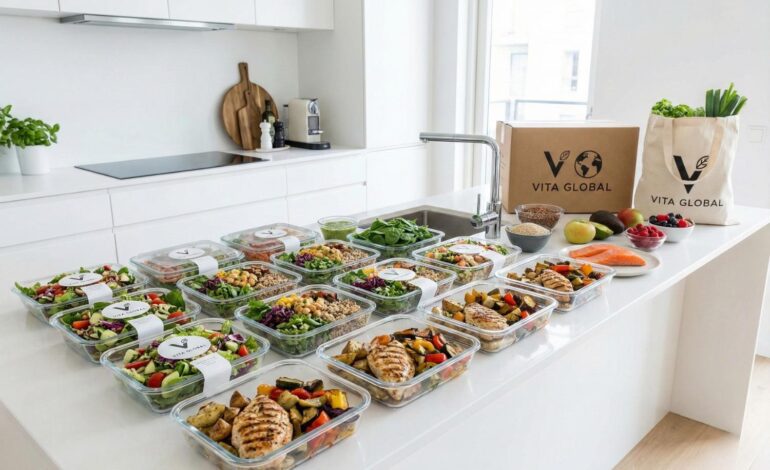

The global food industry is rapidly evolving, driven by changing consumer preferences, health awareness, and the demand for convenience. One of the most significant moves in this transformation was Nestlé’s acquisition of Freshly, a healthy meal delivery startup, for up to $1.5 billion. The deal sparked intense discussion around the freshly valuation, signaling how much traditional food giants are willing to invest in the future of ready-to-eat, health-focused meals.
This acquisition not only reshaped Nestlé’s strategy but also redefined how startups in the meal delivery and wellness food space are valued. In this in-depth guide, we’ll explore the background of the deal, analyze the freshly valuation, understand why Nestlé made this move, and examine what it means for consumers, competitors, and the broader food industry.
Understanding the Nestlé–Freshly Acquisition
Nestlé, the world’s largest food and beverage company, has a long history of acquiring brands that align with changing consumer behavior. From coffee and bottled water to plant-based alternatives, Nestlé has consistently adapted to new trends.
Freshly, on the other hand, emerged as a disruptive force in the food-tech space. The startup specialized in fully prepared, single-serve meals that required no cooking—just heating. Its promise was simple: healthy, chef-prepared meals delivered straight to consumers’ doors.
When Nestlé announced it would acquire Freshly for up to $1.5 billion, it instantly drew attention. Analysts and entrepreneurs alike began examining the freshly valuation to understand how a relatively young company achieved such a high price tag.
Freshly’s Journey From Startup to Billion-Dollar Brand
Freshly was founded with a clear mission: eliminate the hassle of cooking while maintaining nutrition and taste. Unlike meal kits that require preparation, Freshly focused on ready-to-eat meals, a niche that resonated with busy professionals and health-conscious consumers.
Key growth drivers included:
- Subscription-based revenue model
- Focus on clean ingredients and nutrition
- Strong logistics and cold-chain delivery
- Data-driven personalization of meals
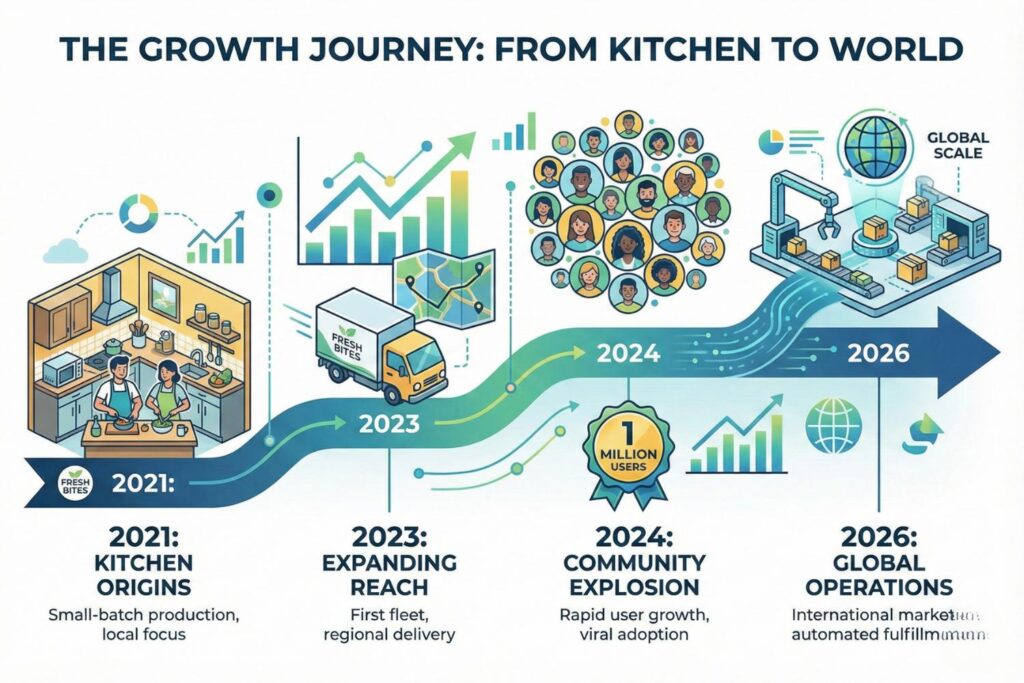
Over time, Freshly built a loyal customer base and scaled its operations nationwide. This consistent growth played a critical role in justifying the freshly valuation that later caught Nestlé’s attention.
Breaking Down the Freshly Valuation
The freshly valuation of up to $1.5 billion wasn’t arbitrary. It reflected several strategic and financial factors that made Freshly attractive to a global powerhouse like Nestlé.
Revenue and Subscriber Growth
Freshly demonstrated strong recurring revenue through subscriptions. Predictable cash flow is a major driver of valuation, especially in consumer tech businesses.
Market Position
Freshly occupied a unique space between fast food and traditional home cooking. Its ability to provide nutritious meals without preparation time gave it a competitive edge.
Brand Trust
Health-conscious branding and transparency around ingredients helped Freshly earn consumer trust—an intangible but valuable asset.
Operational Infrastructure
Freshly’s advanced food production facilities and logistics network reduced scaling risks, which positively impacted its valuation.
Combined, these factors made the freshly valuation not just reasonable, but strategic from Nestlé’s perspective.
Why Nestlé Wanted Freshly
Nestlé’s acquisition strategy has increasingly focused on health, wellness, and convenience. Traditional packaged foods face slowing growth as consumers demand fresher and more personalized options.
Freshly offered Nestlé:
- Direct-to-consumer expertise
- Digital subscription experience
- Access to younger demographics
- A strong foothold in the U.S. prepared-meals market
Instead of building this infrastructure from scratch, Nestlé leveraged the freshly valuation to fast-track its entry into a high-growth segment.
Impact on the Meal Delivery Industry
The Nestlé–Freshly deal sent a strong signal across the food-tech ecosystem. It validated the business model of prepared meal startups and pushed competitors to rethink their strategies.
Increased Investor Confidence
After the deal, investors became more optimistic about health-focused food startups, especially those with scalable logistics and recurring revenue.
Rising Competition
Other major food corporations began exploring acquisitions or partnerships, intensifying competition in the ready-meal segment.
Higher Valuation Benchmarks
The freshly valuation set a new benchmark, influencing how similar startups were priced in funding rounds and exits.
What This Means for Consumers
For consumers, the acquisition brought both opportunities and concerns.
Potential Benefits
- Improved supply chain efficiency
- More product innovation
- Expanded menu options
- Better pricing through scale
Consumer Concerns
- Fear of quality compromise
- Loss of startup authenticity
- Increased corporate influence
Nestlé emphasized that Freshly would continue operating independently, aiming to preserve its brand identity while benefiting from global resources.
The Role of Health and Wellness Trends
Health-conscious eating is no longer a niche trend—it’s mainstream. Consumers increasingly prioritize:
- Nutritional transparency
- Clean-label ingredients
- Portion control
- Convenience without guilt
Freshly’s model aligned perfectly with these trends, further strengthening the freshly valuation and making it a logical acquisition target.
Lessons for Startups and Entrepreneurs
The Freshly acquisition offers valuable insights for founders aiming for high valuations or strategic exits.
Build for Scalability
Freshly invested early in infrastructure, making growth sustainable.
Focus on Brand Trust
Clear messaging around health and quality builds long-term value.
Own the Customer Relationship
Direct-to-consumer models provide valuable data and loyalty.
Align With Macro Trends
Startups that ride long-term trends, like wellness and convenience, are more attractive to large acquirers.
Did the Freshly Valuation Justify the Price?
While $1.5 billion may seem steep, the deal made sense within the context of Nestlé’s long-term vision. Instead of chasing short-term profits, Nestlé invested in future consumption habits.
The freshly valuation reflected not just current performance, but future potential, strategic alignment, and market positioning.
Long-Term Implications for Nestlé
With Freshly under its umbrella, Nestlé strengthened its innovation pipeline. The acquisition also allowed Nestlé to test new products, delivery models, and consumer engagement strategies in real time.
This approach helps legacy companies remain relevant in a rapidly changing food landscape.
Final Thoughts: A Defining Moment in Food-Tech
The acquisition of Freshly by Nestlé stands as a landmark moment in the evolution of the food industry. It highlighted how technology, health awareness, and convenience are reshaping how people eat.
More importantly, the freshly valuation demonstrated that startups solving real consumer problems—at scale—can command premium prices. As the line between food, tech, and wellness continues to blur, deals like this will likely become more common.
For entrepreneurs, investors, and consumers alike, the Nestlé–Freshly story is a powerful reminder that the future of food is already here—and it’s healthier, smarter, and more connected than ever.