
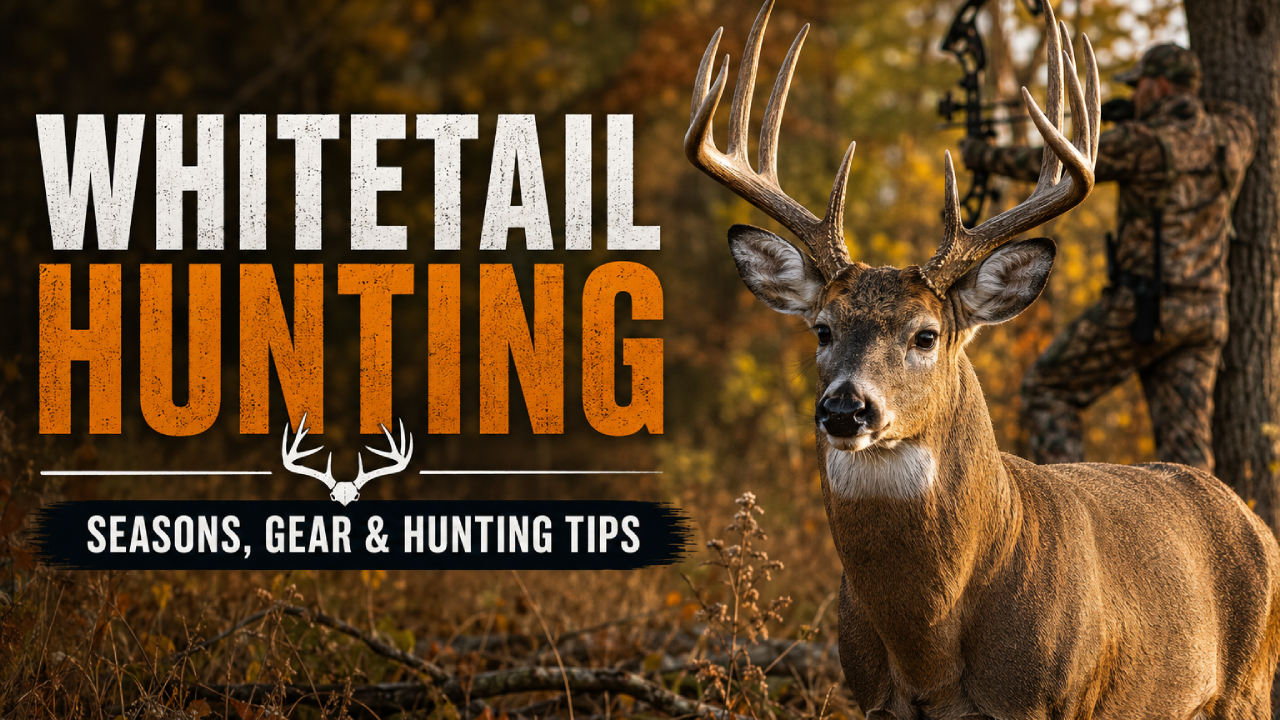


Whitetail Hunting: The Complete Guide to Seasons, Gear, Locations, and Hunting Tips

Few hunting experiences in North America generate as much anticipation as opening morning of whitetail hunting season. Long before daylight, hunters climb into tree stands, settle into ground blinds, or slowly make their way through timber in hopes of encountering a mature buck. Every snapped twig, rustling leaf, and distant movement can raise a hunter’s heart rate.
The whitetail deer is North America’s most popular big game animal. Found across much of the United States and parts of Canada, whitetails thrive in a variety of habitats ranging from agricultural farmland and hardwood forests to river bottoms and suburban landscapes.
Their adaptability, intelligence, and keen senses make them challenging animals to hunt. While deer are widespread, consistently harvesting mature bucks requires preparation, scouting, patience, and a solid understanding of deer behavior.
Whether you are new to hunting or looking to improve your success in the field, this guide covers everything you need to know about whitetail hunting, including seasons, hunting methods, gear recommendations, scouting strategies, and the best locations to pursue trophy bucks.
Looking for your next whitetail hunting adventure? Hunt-Nation connects hunters with trusted outfitters, guides, and hunting professionals across North America. With more than 27 years of experience and access to over 300 outfitters, captains, and PHs worldwide, we help hunters find memorable outdoor experiences tailored to their hunting goals.
What Is Whitetail Hunting?
Whitetail hunting refers to the pursuit of white-tailed deer, one of the most successful and widely distributed deer species in North America.
Recognizable by the white underside of their tails, these deer occupy diverse habitats and have adapted exceptionally well to changing environments.
Hunters pursue whitetails for several reasons:
- Challenging hunting opportunities
- Trophy antler potential
- Excellent table fare
- Widespread availability
- Long hunting traditions
Whitetails are known for their ability to detect danger through sight, smell, and hearing. Mature bucks often become increasingly cautious as they age, making them one of the most rewarding big game animals to hunt.
Understanding Whitetail Deer Behavior
Success often begins with understanding how deer use their environment throughout the year.
Feeding Habits
Whitetails spend a significant portion of their day focused on feeding.
Common food sources include:
- Acorns
- Soybeans
- Corn
- Alfalfa
- Clover
- Browse vegetation
- Fruits
- Agricultural crops
Food availability changes throughout the year, influencing where deer spend their time.
Bedding Areas
Deer typically seek secure bedding areas during daylight hours.
Preferred bedding locations include:
- Thick brush
- Cedar stands
- River bottoms
- CRP fields
- Dense timber
Mature bucks often choose bedding areas that provide visibility, security, and favorable wind conditions.
Travel Corridors
Whitetails commonly travel between feeding and bedding locations.
These travel routes often include:
- Creek crossings
- Fence gaps
- Timber edges
- Funnel areas
- Ridge systems
Identifying these movement patterns can help hunters select productive stand locations.
Seasonal Behavior
Deer behavior changes throughout the year.
Factors influencing movement include:
- Food availability
- Hunting pressure
- Weather conditions
- Breeding activity
Understanding these seasonal changes is essential for hunting success.
Understanding the Whitetail Rut
The rut is one of the most exciting periods of the hunting season.
During this annual breeding phase, bucks become more active and often move during daylight hours.
Pre Rut
During the pre rut, bucks begin:
- Establishing dominance
- Creating scrapes
- Rubbing trees
- Expanding travel patterns
Many hunters consider this one of the best times to target mature bucks.
Early Rut
As breeding activity increases, bucks become more visible and travel more frequently.
This period often produces excellent opportunities near travel corridors and doe bedding areas.
Peak Rut
Peak rut activity creates some of the most exciting hunting conditions of the season.
Bucks may:
- Travel long distances
- Respond aggressively to rattling
- Chase does throughout the day
Hunters often see increased daylight movement during this period.
Post Rut
Following peak breeding activity, many bucks reduce movement and focus on recovery.
Food becomes increasingly important as deer rebuild body reserves.
Late Season
Late season hunting centers around food sources.
Cold temperatures and limited food availability often concentrate deer activity.
Hunters frequently focus on:
- Agricultural fields
- Food plots
- Winter feeding areas
Best States for Whitetail Hunting
Several states consistently produce outstanding whitetail hunting opportunities.
Texas
Texas supports one of the largest deer populations in North America.
Benefits include:
- Extensive hunting opportunities
- Diverse habitats
- Long seasons
- Strong management practices
Kansas
Kansas is widely recognized for producing mature bucks with impressive antler growth.
The combination of agriculture and quality habitat creates excellent hunting conditions.
Iowa
Iowa consistently ranks among the top destinations for trophy whitetails.
Strong genetics, quality habitat, and effective management contribute to exceptional deer populations.
Illinois
Illinois continues to produce large numbers of mature bucks each year.
Agricultural landscapes provide excellent nutrition for deer growth.
Wisconsin
Wisconsin has a long deer hunting tradition and maintains a healthy deer population across much of the state.
Ohio
Ohio has become one of the Midwest’s premier destinations for trophy whitetails.
Kentucky
Kentucky offers quality deer numbers and growing opportunities for hunters seeking mature bucks.
Missouri
Missouri combines strong deer populations with extensive hunting opportunities.
Best Time for Whitetail Hunting
Timing plays a major role in hunting success.
Early Season
Advantages include:
- Predictable feeding patterns
- Less hunting pressure
- Warm weather movement
Pre Rut
Many experienced hunters consider this period ideal for targeting mature bucks.
Peak Rut
The rut often produces the highest levels of daytime movement.
Late Season
Food becomes the primary focus for deer, creating predictable movement patterns around feeding areas.
Whitetail Hunting Methods
Tree Stand Hunting
A tree stand provides an elevated position that helps hunters remain concealed while monitoring travel routes.
Ground Blind Hunting
Ground blinds offer protection from weather and conceal movement.
Spot and Stalk Hunting
This method is more common in open terrain where deer can be observed from a distance.
Still Hunting
Still hunting involves moving slowly through habitat while watching for deer activity.
Saddle Hunting
Saddle systems have become increasingly popular because they provide flexibility and mobility.
Public Land Whitetail Hunting
Many successful hunters focus on public land opportunities.
Key strategies include:
- Scouting before season
- Studying maps
- Identifying overlooked areas
- Avoiding heavily pressured locations
- Using multiple access routes
Hunters willing to walk farther often discover less pressured deer.
Essential Whitetail Hunting Gear
The right hunting gear can improve comfort and efficiency in the field.
Rifles
Popular calibers include:
- .243 Winchester
- .270 Winchester
- .308 Winchester
- 6.5 Creedmoor
- 30-06 Springfield
Shotguns
Shotguns remain effective in areas with firearm restrictions.
Muzzleloaders
Many states offer special muzzleloader seasons.
Bows and Crossbows
Bow hunting provides close range opportunities and extends time in the field through dedicated archery seasons.
Optics
Recommended optics include:
- Binoculars
- Rangefinders
- Scope systems
Safety Equipment
Hunters using elevated stands should always wear a safety harness.
Proper preparation and equipment help create a safer and more enjoyable hunting experience.
Whitetail Bow Hunting Strategies
Many hunters consider bow hunting the most challenging and rewarding way to pursue whitetails. Success often depends on getting close to deer without being detected.
Stand Placement
Stand location is one of the most important factors in bow hunting success.
Focus on:
- Travel corridors
- Funnel areas
- Food source transitions
- Bedding area edges
- Creek crossings
Avoid placing stands directly in bedding areas, as excessive pressure can push deer into different locations.
Shot Opportunities
Ethical shot selection is critical.
Most archery opportunities occur within:
- 20 to 40 yards
- Clear shooting lanes
- Broadside or slightly quartering-away angles
Patience often leads to higher percentage shots.
Calling and Rattling
During the rut, bucks may respond to:
- Grunt calls
- Doe bleats
- Rattling antlers
Calling works best when used naturally and in moderation.
Entry and Exit Routes
Many stand locations fail because hunters alert deer while entering or leaving.
Choose routes that:
- Keep wind away from bedding areas
- Minimize noise
- Avoid major deer trails
A great stand location can become ineffective if deer associate it with human activity.
Scouting for Whitetail Deer
Scouting is one of the most valuable investments a hunter can make before season.
The goal is simple: understand where deer live, feed, travel, and bed.
Trail Cameras
Trail cameras provide valuable information about:
- Buck activity
- Travel routes
- Time of movement
- Herd composition
Place cameras near:
- Scrapes
- Funnels
- Food sources
- Travel corridors
Checking cameras too frequently can leave scent and disturb deer.
Scrapes
Scrapes are areas where bucks remove leaves and expose soil.
These locations often indicate:
- Breeding activity
- Communication between deer
- Buck movement patterns
Fresh scrapes become especially valuable during the pre-rut and rut.
Rub Lines
Rubs occur when bucks remove bark from small trees.
A series of fresh rubs often indicates:
- Travel routes
- Core areas
- Buck activity zones
Bedding Areas
Finding bedding areas can reveal where mature bucks spend daylight hours.
Look for:
- Thick cover
- Elevated terrain
- Downwind visibility
- Security cover
Funnels and Pinch Points
Funnels naturally concentrate deer movement.
Examples include:
- Narrow timber strips
- Creek crossings
- Ridge saddles
- Fence gaps
These locations often create predictable hunting opportunities.
Food Sources That Attract Whitetails
Food drives deer movement throughout the year.
Hunters who identify active food sources often increase their chances of success.
Agricultural Fields
Agricultural crops provide abundant nutrition.
Common examples include:
- Corn
- Soybeans
- Alfalfa
- Wheat
Field edges frequently attract evening deer activity.
Acorns
Acorns are among the most important natural food sources in many regions.
A productive oak flat can attract significant deer activity during fall.
Food Plots
Food plots are designed to provide nutrition and attract deer.
Popular options include:
- Clover
- Brassicas
- Winter wheat
- Chicory
Mast Crops
Soft mast and hard mast sources can become seasonal hotspots.
Examples include:
- Apples
- Persimmons
- Acorns
Winter Food Sources
Late season deer often focus heavily on calorie-rich food.
Locating reliable winter feeding areas can produce excellent hunting opportunities.
Scent Control and Wind Direction
No aspect of whitetail hunting is discussed more often than scent control.
A mature buck’s sense of smell is extraordinarily effective.
Hunt the Wind
The simplest rule is often the most important.
Always hunt with a favorable wind direction.
Before choosing a stand location, consider:
- Wind forecast
- Thermals
- Terrain features
Minimize Human Odor
While complete scent elimination is impossible, hunters can reduce odor by:
- Washing hunting clothing
- Storing gear properly
- Avoiding strong scents
- Limiting contamination
Entry and Exit Management
Many deer encounters are lost because hunters spread scent while entering or leaving hunting areas.
Carefully planned access routes often improve stand effectiveness.
Common Whitetail Hunting Mistakes
Even experienced hunters make mistakes.
Hunting the Wrong Wind
Poor wind management remains one of the most common reasons mature bucks avoid hunters.
Overhunting a Stand
Repeated pressure can quickly change deer movement patterns.
Ignoring Scouting Information
Conditions change throughout the season.
Successful hunters adapt to current deer activity.
Moving Too Much
Excessive movement increases the likelihood of detection.
Hunting Only Mornings
Many hunters overlook productive evening opportunities near food sources.
Entering Too Early
Entering feeding areas before deer leave can educate animals and reduce future opportunities.
Guided Whitetail Hunts vs DIY Hunting
Guided Hunts
Benefits include:
- Local knowledge
- Property access
- Stand preparation
- Reduced planning
Many hunters choose guided hunts when pursuing trophy bucks in unfamiliar areas.
DIY Hunting
Benefits include:
- Lower cost
- Greater independence
- Personal challenge
Both approaches can be rewarding depending on individual goals.
Choosing a Whitetail Outfitter
Selecting the right outfitter can greatly influence your hunting experience.
Look for:
- Positive references
- Quality habitat
- Experienced guides
- Low hunting pressure
- Clear communication
Questions to ask include:
- How many hunters are on the property?
- What is included in the hunt?
- What are the lodging arrangements?
- What are the physical requirements?
Looking for your next whitetail hunting adventure? Hunt-Nation works with trusted outfitters and hunting professionals across North America. With more than 27 years of experience and access to over 300 outfitters, captains, and PHs worldwide, Hunt-Nation helps hunters find quality hunting opportunities that match their goals and preferred hunting style.
Field Care After the Harvest
Proper care begins immediately after the harvest.
Field Dressing
Prompt field dressing helps cool the animal and preserve meat quality.
Meat Care
Protect meat from:
- Dirt
- Moisture
- Excessive heat
Processing
Many hunters process deer themselves, while others use professional processors.
Storage
Proper packaging and freezing help maintain quality for future meals.
Frequently Asked Questions
What is the best state for whitetail hunting?
States such as Iowa, Kansas, Illinois, Ohio, Wisconsin, and Texas are consistently popular among hunters.
When does the rut occur?
The timing varies by region, but most rut activity occurs during the fall breeding season.
What caliber is best for whitetails?
Popular choices include .243 Winchester, .270 Winchester, .308 Winchester, 6.5 Creedmoor, and 30-06 Springfield.
Is public land hunting worth it?
Yes. Many hunters harvest mature bucks on public land through careful scouting and strategic access.
What is the best time to hunt mature bucks?
Many hunters focus on the pre-rut and rut because deer movement often increases during daylight hours.
Are trail cameras legal everywhere?
Regulations vary by state, so hunters should review local wildlife regulations.
How much does a guided whitetail hunt cost?
Pricing varies depending on location, hunt duration, accommodations, and services provided.
What is the best scent control strategy?
Hunting favorable wind conditions remains the most effective approach.
Can beginners be successful hunting whitetails?
Absolutely. Learning deer behavior, scouting, and hunting fundamentals can lead to success.
What food sources attract whitetails most?
Agricultural crops, acorns, food plots, and seasonal mast crops often attract consistent deer activity.
Conclusion
Few outdoor traditions have the history and popularity of whitetail hunting. From early-season feeding patterns to the excitement of the rut, every phase of the season presents unique opportunities and challenges. Understanding deer behavior, identifying productive food sources, practicing effective scent control, and investing time in scouting can significantly improve hunting success.
Whether you prefer bow hunting, firearm seasons, or pursuing deer on public land, preparation and patience remain essential. The more time hunters spend learning the habits of whitetail deer, the more rewarding each season becomes.
Ready to experience premier whitetail hunting opportunities? Hunt-Nation works with trusted outfitters and hunting professionals across North America to help hunters find trips that match their goals, budget, and preferred hunting style. With more than 27 years of experience and access to over 300 outfitters, captains, and PHs worldwide, Hunt-Nation can help you plan your next hunting adventure.