Months After the Gaza Ceasefire, Why Is Violence Still Ongoing?
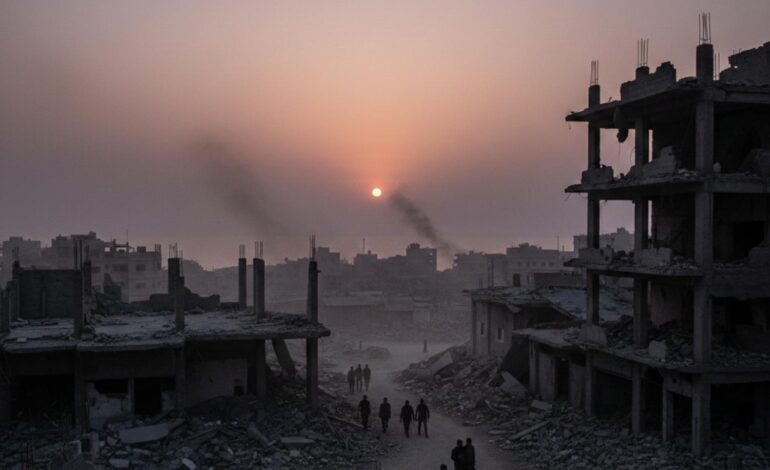

Months after the announcement of the gaza ceasefire, many around the world expected a lasting pause in violence and a gradual return to stability. Headlines spoke of diplomatic breakthroughs and temporary calm. Yet, as weeks turned into months, reports of clashes, airstrikes, rocket fire, and civilian casualties continued to surface.
So why is violence still ongoing despite a declared gaza ceasefire? To understand the answer, we must examine the deeper political, military, and humanitarian dynamics shaping the region.
The Fragile Nature of the Gaza Ceasefire
Ceasefires in the Gaza conflict have historically been fragile. Unlike permanent peace treaties, ceasefires are often temporary agreements aimed at halting immediate hostilities rather than resolving underlying disputes.
The recent gaza ceasefire was primarily designed to:
- Stop active combat
- Allow humanitarian aid into Gaza
- Facilitate prisoner exchanges
- Create space for diplomatic negotiations
However, ceasefires in the region often lack:
- Long-term political frameworks
- Clear enforcement mechanisms
- Mutual trust between parties
Without addressing core grievances, a ceasefire can act more like a pause button than a solution.
Deep-Rooted Political Tensions
At the heart of ongoing violence are decades-old political disputes. The conflict between Israel and Palestinian factions is deeply embedded in territorial claims, national identity, and security concerns.
Key unresolved issues include:
- The status of Gaza and the West Bank
- Security guarantees for Israel
- Palestinian governance and autonomy
- Control of borders and movement
Even during the gaza ceasefire, tensions remain high. Any small incident — such as border clashes or arrests — can quickly escalate into renewed hostilities.
The Role of Armed Groups
One major reason violence continues despite the gaza ceasefire is the presence of multiple armed factions operating within Gaza.
While ceasefire agreements may be negotiated between major parties, smaller militant groups may:
- Reject the terms
- Act independently
- Launch rockets or conduct attacks
When these actions occur, retaliatory responses often follow, creating a cycle of escalation. Even if leadership on both sides intends to uphold the ceasefire, enforcement becomes difficult.
Border Incidents and Military Operations
Another reason the gaza ceasefire has not fully ended violence is the continuation of limited military operations.
These can include:
- Targeted airstrikes
- Drone surveillance
- Border skirmishes
- Arrest raids in nearby regions
Even if these actions are described as “defensive” or “limited,” they can undermine trust and provoke further retaliation.
Humanitarian Crisis and Social Pressure
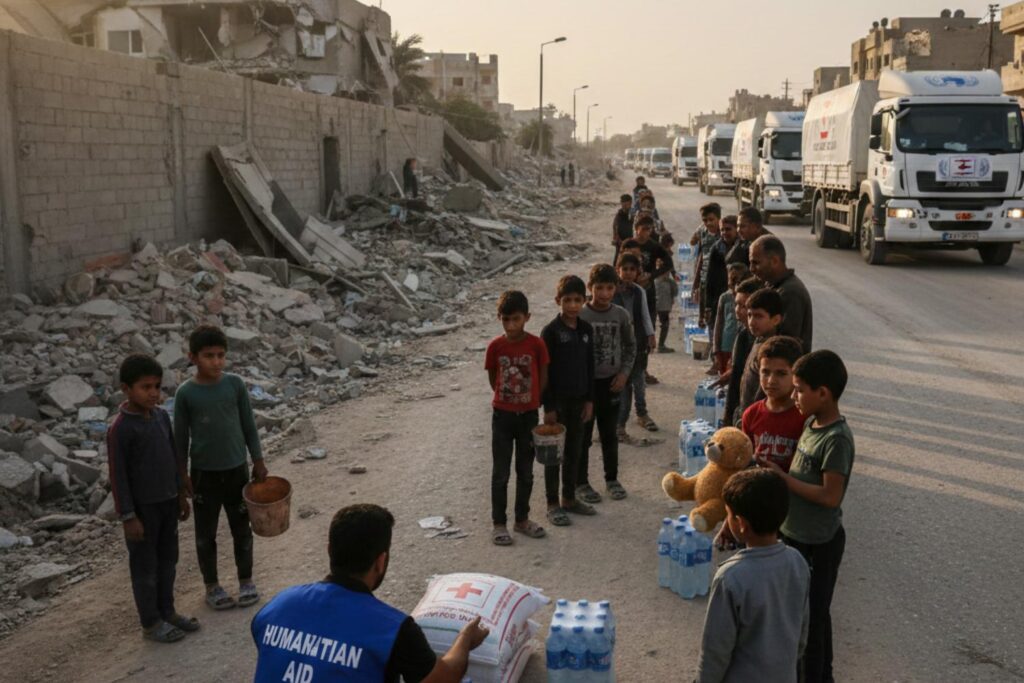
The humanitarian situation in Gaza remains dire. Months after the gaza ceasefire, thousands of families continue to face:
- Displacement
- Food shortages
- Limited medical supplies
- Destroyed homes and infrastructure
When basic needs are unmet, social tension increases. Public frustration can place pressure on political and militant leaders, sometimes contributing to renewed unrest.
Furthermore, delays in reconstruction and restrictions on movement can create the perception that the ceasefire has not delivered meaningful change.
International Involvement and Diplomatic Limitations
The gaza ceasefire was supported by regional and international mediators. Countries in the Middle East, along with global powers, worked to broker temporary calm.
However, international mediation faces several limitations:
- Competing geopolitical interests
- Lack of unified global pressure
- Limited enforcement authority
While diplomatic efforts may reduce large-scale war, they often struggle to prevent smaller flare-ups or enforce compliance across all factions.
Internal Political Pressures
Political leadership on both sides faces domestic pressure.
In Israel, security concerns remain a dominant issue in national politics. Any attack from Gaza, even during a gaza ceasefire, may trigger a strong military response due to public demand for protection.
In Gaza, leadership also faces pressure from the local population and armed groups. Compromises may be viewed as weakness, especially if living conditions do not improve.
These internal political calculations can weaken ceasefire commitments.
The Cycle of Retaliation
Violence in the region often follows a predictable pattern:
- A minor incident occurs
- One side responds militarily
- The other side retaliates
- Escalation spreads
Even during the gaza ceasefire, isolated incidents can reignite broader conflict. Social media and rapid news coverage can amplify tensions, sometimes fueling anger before facts are verified.
Security vs. Sovereignty
Another central issue undermining the gaza ceasefire is the tension between security and sovereignty.
Israel prioritizes security measures, including:
- Border controls
- Blockades
- Military monitoring
Palestinians in Gaza view many of these measures as restrictions on sovereignty and daily life.
Until a framework addresses both security needs and political rights, ceasefires remain vulnerable.
Economic Instability and Reconstruction Delays
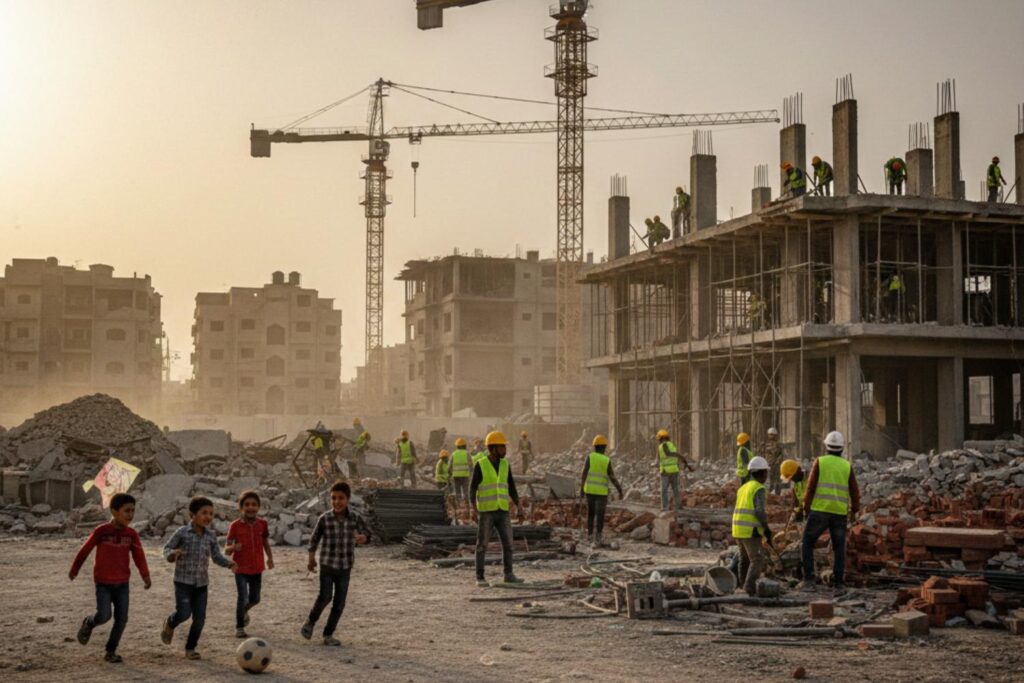
Economic recovery plays a critical role in sustaining peace. Months after the gaza ceasefire, reconstruction efforts face obstacles such as:
- Funding shortages
- Political disagreements
- Import restrictions
- Security concerns
Without visible progress in rebuilding homes, schools, and hospitals, public faith in the ceasefire diminishes.
Economic despair can increase recruitment for armed groups, perpetuating instability.
Regional Instability
The Gaza conflict does not exist in isolation. Broader Middle East tensions influence developments on the ground.
Regional actors may:
- Provide political backing
- Offer financial support
- Influence military strategies
Shifting alliances and rivalries can complicate efforts to maintain the gaza ceasefire. Broader regional tensions often spill over into local dynamics.
Psychological Impact of Prolonged Conflict
Years of recurring violence have created deep psychological trauma among civilians.
Children growing up in Gaza have experienced multiple rounds of conflict. Similarly, Israeli communities near the border have faced repeated rocket threats.
Even during the gaza ceasefire, fear and mistrust persist. This psychological landscape makes reconciliation difficult and increases the likelihood of quick escalation.
Media Narratives and Public Perception
Media coverage plays a powerful role in shaping perceptions of the gaza ceasefire.
Dramatic images and headlines can:
- Intensify public outrage
- Pressure leaders to act
- Reduce space for diplomatic compromise
At the same time, misinformation or incomplete reporting can inflame tensions further.
Is the Ceasefire Truly Failing?
Despite ongoing incidents, it is important to evaluate the scale of violence compared to full-scale war.
In some cases, the gaza ceasefire may have:
- Reduced large-scale air campaigns
- Lowered overall casualty numbers
- Allowed increased humanitarian aid
However, the absence of total war does not mean the presence of peace. The region remains in a fragile and volatile state.
What Would a Sustainable Solution Require?
For lasting stability beyond a temporary gaza ceasefire, several elements would likely be necessary:
1. Political Negotiations
Comprehensive talks addressing long-term governance and territorial disputes.
2. Security Guarantees
Mechanisms that ensure safety for civilians on both sides.
3. Economic Development
Large-scale reconstruction and employment programs.
4. International Oversight
Stronger monitoring and accountability frameworks.
5. Public Engagement
Community-level dialogue and reconciliation initiatives.
Without addressing these structural issues, ceasefires may continue to collapse or remain unstable.
The Human Cost of Unresolved Conflict
Beyond politics and strategy, the most tragic consequence of continued violence after the gaza ceasefire is the human toll.
Families continue to:
- Mourn lost loved ones
- Live in damaged homes
- Experience displacement
- Struggle with trauma
Every renewed clash deepens suffering and complicates the path to peace.
Conclusion: A Pause, Not a Peace
Months after the declaration of the gaza ceasefire, violence continues because the root causes of the conflict remain unresolved. Ceasefires can reduce immediate bloodshed, but without comprehensive political solutions, they rarely bring lasting calm.
The ongoing instability reflects:
- Deep political divisions
- Security dilemmas
- Humanitarian crises
- Regional pressures
- Cycles of retaliation
The gaza ceasefire may have slowed the intensity of conflict, but it has not ended it. Sustainable peace will require more than temporary agreements — it will demand courageous political leadership, international cooperation, and meaningful improvements in the daily lives of civilians.
Until then, the region remains caught between fragile calm and renewed confrontation.