Patent ENS Explained: How Ethereum Name Service Patents Could Impact Web3 and Domain Ownership

The rapid evolution of Web3 has introduced decentralized systems that aim to redefine digital ownership, identity, and internet infrastructure. Among these innovations, the Ethereum Name Service (ENS) has emerged as a critical component of decentralized identity. However, discussions around patent ens are now gaining momentum, raising questions about intellectual property, decentralization, and the future of blockchain-based naming systems.
In this comprehensive guide, we will explore what patent ens means, how Ethereum Name Service works, whether patents could affect Web3 decentralization, and what it means for domain ownership in the future.
What Is Ethereum Name Service (ENS)?
Ethereum Name Service is a decentralized naming system built on the Ethereum blockchain. It converts complex crypto wallet addresses like:
0x5A8bD3C5Ff...eE4
into easy-to-read names such as:
yourname.eth
This simplifies crypto transactions, decentralized website access, NFT ownership, and digital identity management.
How ENS Works
ENS operates using:
- Smart contracts deployed on Ethereum
- A registry that stores domain ownership
- Resolvers that translate names into wallet addresses
- The .eth top-level domain (TLD)
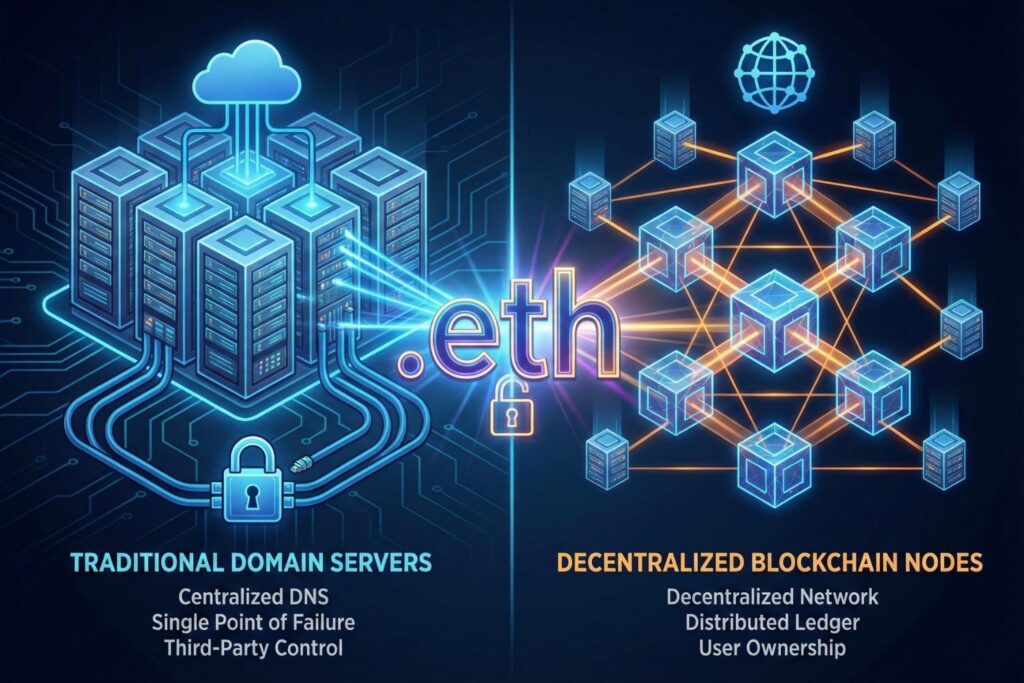
Instead of relying on centralized DNS providers, ENS operates on blockchain logic, making it censorship-resistant and user-controlled.
Understanding Patent ENS
The term patent ens refers to potential or existing intellectual property protections related to decentralized naming services like ENS. While ENS itself is open-source and community-governed, the concept of patenting blockchain-based naming systems introduces important legal and philosophical debates.
What Could Be Patented?
In theory, patents could cover:
- Blockchain-based domain resolution mechanisms
- Smart contract-based naming registries
- Decentralized identity linking systems
- Methods of mapping human-readable names to wallet addresses
If a company or entity were to secure patents around such systems, it could influence how similar technologies operate within the Web3 ecosystem.
Why Patent ENS Is Controversial
Web3 is built on decentralization, transparency, and open-source collaboration. Patents, however, traditionally protect exclusive rights to technological innovations.
Here’s where the conflict arises:
| Web3 Philosophy | Patent System |
|---|---|
| Open and decentralized | Exclusive ownership |
| Community-driven | Legally restricted use |
| Transparent code | Proprietary control |
Many blockchain advocates argue that patenting decentralized infrastructure could contradict the very ethos of Web3.
The Role of ENS in Web3 Identity
ENS is more than just a naming system — it functions as a decentralized identity layer.
Users can attach:
- Crypto wallet addresses
- NFT profiles
- Social links
- Website hosting records
This makes ENS domains similar to digital passports in the decentralized world.
Impact on Digital Ownership
Unlike traditional domain systems governed by centralized authorities like ICANN, ENS domains are:
- Stored on blockchain
- Controlled by private keys
- Tradeable as NFTs
- Resistant to censorship
If patent ens restrictions were introduced broadly across the industry, it could influence how decentralized domain ownership evolves.
Patent ENS vs Traditional Domain Patents
Traditional internet domain systems rely on centralized servers and regulatory bodies. Web3 domains like ENS, on the other hand, operate via smart contracts.
Key Differences
| Traditional DNS | ENS (Web3) |
|---|---|
| Controlled by registrars | Controlled by smart contracts |
| Subject to government regulation | Decentralized governance |
| Renewable subscriptions | NFT-based ownership |
| Centralized dispute resolution | Blockchain-based ownership proof |
If patents were aggressively applied to blockchain naming systems, it could lead to:
- Licensing fees
- Development restrictions
- Reduced innovation in decentralized naming

Developers rely heavily on open-source blockchain infrastructure. If patents were enforced in certain areas of decentralized naming systems, developers may need:
- Licensing agreements
- Legal compliance checks
- Modified architecture to avoid infringement
This could slow innovation and increase costs within the Web3 ecosystem.
Legal Landscape of Blockchain Patents
Blockchain-related patents are not new. Major corporations have filed patents involving distributed ledger technologies.
For example:
- IBM has multiple blockchain-related patents
- Alibaba Group holds blockchain intellectual property filings
The question is not whether blockchain patents exist — but whether core decentralized identity systems like ENS could face restrictive intellectual property claims.
Governance of ENS
ENS DAO governs Ethereum Name Service. It operates via token-holder voting and community proposals.
This governance structure aims to:
- Maintain decentralization
- Avoid centralized control
- Ensure transparency
Patent enforcement against such decentralized systems would be legally complex because ENS is governed globally by distributed participants.
The future of domain ownership may evolve in one of three directions:
1. Fully Open Web3 Model
ENS and similar systems remain open-source, free from restrictive patents.
2. Hybrid Legal Framework
Patent protections coexist with decentralized governance, creating structured compliance.
3. Corporate-Controlled Web3 Infrastructure
Large corporations control key infrastructure through patents and licensing.
The direction chosen will shape the next generation of internet ownership.
How Patent ENS Could Impact Investors
ENS domains are often purchased as:
- Digital assets
- Brand identity tools
- Long-term investments
If patent-related disputes arise, it could:
- Affect domain valuations
- Create regulatory uncertainty
- Influence secondary market liquidity
Investors should monitor legal developments around decentralized naming technologies.
Risks and Opportunities
Risks
- Legal uncertainty
- Increased compliance costs
- Slower innovation
- Potential centralization pressures
Opportunities
- Clear intellectual property standards
- Stronger legal recognition of digital assets
- Institutional adoption
- Increased trust in Web3 naming systems
Ethical Considerations
Should decentralized identity systems be patentable?
Some argue:
- Patents protect innovation
- They encourage investment
Others believe:
- Core internet infrastructure should remain open
- Decentralized systems must resist privatization
The patent ens debate is ultimately about balancing innovation incentives with decentralization principles.
What This Means for Web3 Entrepreneurs
If you’re building in Web3, understanding patent ens is crucial.
You should:
- Monitor intellectual property filings
- Conduct freedom-to-operate analysis
- Consult blockchain IP attorneys
- Build adaptable infrastructure
Entrepreneurs who stay informed will be better positioned in a rapidly evolving legal landscape.
The Global Regulatory Outlook
Countries differ in their approach to blockchain patents:
- United States: Active blockchain patent approvals
- European Union: Stricter software patent rules
- Asia: Rapid patent filings in fintech and blockchain
International coordination will likely determine how decentralized naming systems are treated legally.
Final Thoughts
The discussion around patent ens is more than just a legal technicality — it touches the core philosophy of Web3. As decentralized naming systems like Ethereum Name Service become foundational to digital identity, intellectual property debates will intensify.
The future of Web3 domain ownership will depend on:
- Legal interpretation
- Community governance
- Corporate participation
- Regulatory frameworks
If handled carefully, patents and decentralization could coexist. If mismanaged, patent enforcement could reshape the Web3 landscape in ways that challenge its open foundations.
Conclusion
ENS represents a powerful shift in how we view digital ownership and identity. The concept of patent ens introduces a new layer of complexity to this decentralized ecosystem.
As Web3 matures, the intersection between blockchain innovation and intellectual property law will define the next chapter of internet infrastructure.
Staying informed, adaptable, and legally aware is the best strategy for developers, investors, and digital entrepreneurs navigating the evolving world of decentralized domains.