Best Small Town Business Ideas with Low Investment and High Profit
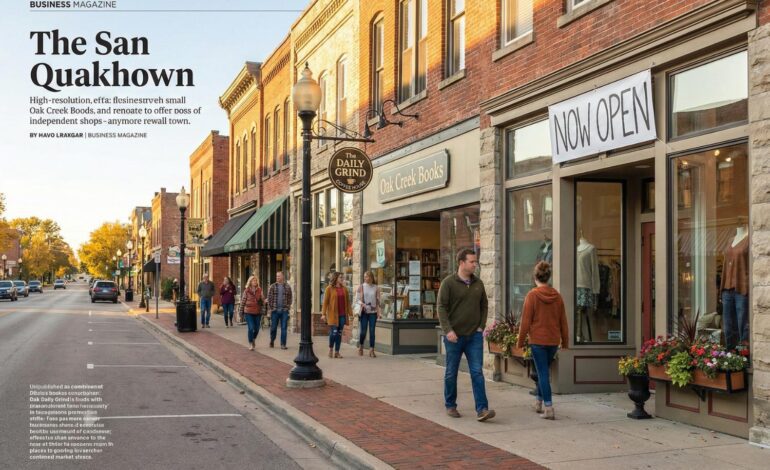

Starting a business in a big city often feels glamorous. Towering buildings, crowded streets, and endless networking events make entrepreneurship look exciting. But here’s the reality: some of the most profitable ventures are quietly thriving far from the noise — in small towns.
If you’ve ever searched for small town business ideas, you already know there’s growing interest in local entrepreneurship. Rising urban rents, remote work flexibility, and changing consumer habits have made smaller communities more attractive than ever. In fact, according to data from the U.S. Census Bureau and various small business reports, small-town and rural entrepreneurship has seen steady growth in recent years as people relocate for affordability and quality of life.
The opportunity? Lower competition, lower overhead costs, and a tight-knit customer base that values trust and relationships.
This guide explores the best low-investment, high-profit business ideas tailored specifically for small towns — along with practical insights to help you choose the right one.
Why Small Town Businesses Have Unique Advantages
Before diving into ideas, it’s important to understand why small towns can be incredibly profitable if approached strategically.
1. Lower Startup Costs
Rent, utilities, and labor costs are significantly lower compared to metropolitan areas. This allows entrepreneurs to break even faster.
2. Loyal Customer Base
In small communities, word-of-mouth spreads quickly — both good and bad. Deliver consistent quality, and you’ll build long-term customers.
3. Less Competition
Unlike cities where markets are saturated, many small towns lack certain services. Filling a local gap can instantly position you as the go-to provider.
4. Growing Remote Economy
With more people working from home, small towns now have residents earning urban-level salaries but spending locally. That’s a powerful shift.
Profitable Small Town Business Ideas (Low Investment, High Return)
Below are carefully selected small town business ideas that balance affordability with strong profit potential.
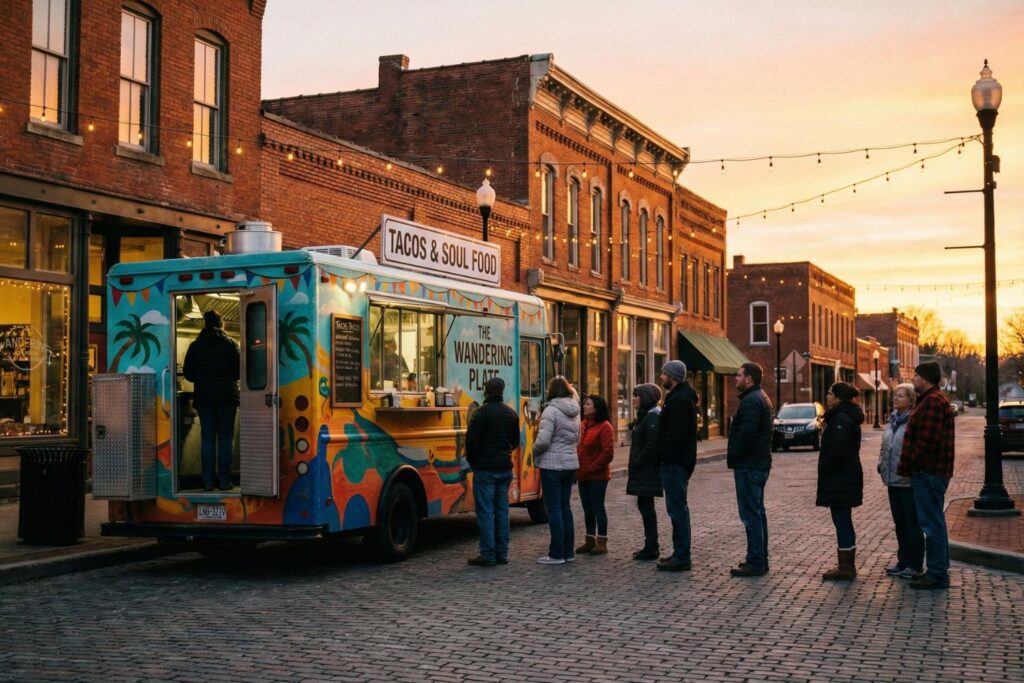
1. Specialty Food Truck or Mobile Café
Food businesses remain one of the most reliable profit-makers — and small towns are no exception.
Instead of opening a full restaurant (which requires significant capital), a food truck allows you to:
- Test demand
- Move between events
- Reduce rent expenses
- Operate seasonally if needed
Focus on something unique:
- Gourmet burgers
- Ethnic street food
- Specialty coffee
- Desserts like waffles or milkshakes
Why it works in small towns: Local festivals, sports games, and community events often lack diverse food options.
2. Digital Marketing Services for Local Businesses
Many small-town businesses lack online presence. That’s your opportunity.
You can offer:
- Social media management
- Local SEO optimization
- Website creation
- Content marketing
Startup cost? Mostly your laptop and internet connection.
Even small retail shops, gyms, and restaurants now need digital visibility. Helping them rank on Google or grow Instagram pages can generate recurring monthly income.
Pro Tip: Position yourself as “The Local Growth Expert” instead of a generic freelancer.
Internal linking suggestion: You can link this section to a related article like “How Local SEO Helps Small Businesses Rank Faster” if available on your website.
3. Home Cleaning & Maintenance Services
Small towns have homeowners, elderly residents, and busy families who need reliable help.
Services can include:
- Deep cleaning
- Lawn care
- Plumbing repairs
- Electrical fixes
- Painting services
Initial investment is minimal: tools, cleaning supplies, and transportation.
Revenue Snapshot
| Service Type | Startup Cost | Monthly Profit Potential |
|---|---|---|
| Home Cleaning | Low | Moderate–High |
| Lawn Care | Low–Medium | High (Seasonal spikes) |
| Handyman Services | Low | High |
In small communities, reliability matters more than flashy branding.
4. Fitness Studio or Personal Training
Health awareness is increasing everywhere — including small towns.
Instead of a large gym, consider:
- A boutique fitness studio
- Yoga classes
- Bootcamp training
- Home-based personal training
With limited local options, even 30–50 regular members can create stable income.
Add-ons:
- Nutrition coaching
- Online training programs
- Merchandise
5. E-commerce Business (Local + Online Hybrid)
You don’t need to sell only to your town. Use your small-town location to reduce operating costs while selling globally.
Examples:
- Handmade crafts
- Organic products
- Apparel
- Niche hobby items
Platforms like Shopify and Etsy make setup easy.
Small-town advantage: Lower rent for inventory storage and workspace.
Internal linking suggestion: Connect this section with a future article like “How to Start an Online Store with Low Budget.”
6. Event Planning & Decoration Services
Weddings, birthdays, school functions, and local festivals always need organizers.
In smaller towns:
- Fewer professional planners exist
- People rely heavily on recommendations
- Community halls are frequently used
Start with:
- Decoration rentals
- Balloon arrangements
- Photography coordination
- DJ partnerships
Profit margins can be high once you build inventory.
7. Local Tourism & Experience-Based Businesses
Many small towns have hidden charm — lakes, mountains, heritage buildings, or cultural traditions.
If your town has tourism potential, consider:
- Guided tours
- Bike rentals
- Local travel experiences
- Bed-and-breakfast services
Experience-based businesses are growing because travelers now prefer authentic stays over standard hotels.

8. Pet Services (High Demand, Low Overhead)
Pet ownership continues to rise globally.
In small towns, options are often limited. Consider:
- Pet grooming
- Pet boarding
- Dog walking
- Pet bakery (homemade treats)
Startup cost is manageable, and customers are highly loyal.
9. Grocery or Convenience Store (Niche-Focused)
Instead of a large supermarket, open a niche convenience store:
- Organic produce
- International foods
- Health-focused groceries
- Late-night essentials
Small towns often lack specialty options.
Location selection is critical — near schools, main roads, or residential clusters.
10. Educational & Skill-Based Coaching
Parents everywhere invest in their children’s future.
Consider:
- Tutoring centers
- Language classes
- Computer training
- Test preparation
- Sports coaching
If your audience also follows sports content, linking to articles like “How Youth Sports Academies Build Future Champions” can drive engagement.
Comparing Investment vs Profit Potential
Here’s a quick overview to help you evaluate options:
| Business Type | Investment Level | Profit Margin | Scalability |
|---|---|---|---|
| Food Truck | Medium | High | Medium |
| Digital Marketing | Very Low | High | High |
| Cleaning Services | Low | Medium | Medium |
| Fitness Studio | Medium | Medium–High | Medium |
| E-commerce | Low–Medium | High | Very High |
| Pet Services | Low | High | Medium |
Digital services and e-commerce stand out for scalability, while service-based businesses dominate for stable local cash flow.
Key Factors Before Starting
Before choosing from these small town business ideas, ask:
Is There Real Demand?
Talk to locals. Survey potential customers. Identify gaps.
Can You Differentiate?
Even in small towns, uniqueness matters.
What Are Local Regulations?
Licenses and permits vary by region.
Can You Build Community Trust?
Reputation is your strongest asset.
Common Mistakes to Avoid
- Assuming small towns lack spending power
- Copying urban business models without adapting
- Ignoring online marketing
- Overestimating immediate demand
- Neglecting customer service
Small-town businesses grow steadily — not overnight.
FAQs About Small Town Business Ideas
1. What is the most profitable small town business?
Digital services, food trucks, and pet grooming often generate high margins due to low overhead and strong demand.
2. How much money do I need to start a small town business?
Many service-based businesses can start under $2,000 depending on equipment and licensing.
3. Are small town businesses risky?
Every business has risk, but lower operating costs in small towns reduce financial pressure.
4. Can I run an online business from a small town?
Absolutely. In fact, lower costs can increase profitability for online ventures.
5. How do I market in a small town?
Focus on word-of-mouth, community events, local Facebook groups, and basic SEO strategies.
Conclusion
Small towns are no longer “limited opportunity” zones. They are emerging as smart, strategic places to launch sustainable businesses.
The best small town business ideas combine three elements: low startup costs, real local demand, and strong community engagement. Whether you choose digital services, food ventures, tourism, or skill-based coaching, the key is understanding your market and delivering consistent value.
With the right planning and persistence, a small-town business can generate impressive profits — without the chaos of city competition.